


Is Your Skin Barrier Damaged? A Checklist to Spot Signs & Fix It
Your Cart
0You May Also Like

₹599 ₹749

₹424 ₹499

₹479 ₹599

₹559 ₹699

₹424 ₹499

₹439 ₹549
When your face feels tight, stings after a gentle wash, or flakes under makeup, your skin may be asking for a reset. Spotting the signs of a damaged skin barrier and knowing how to fix it starts with a simple checklist — and usually with less, not more. Your barrier can get stressed by strong products, too much cleansing, hot water, or dry air. This can feel especially frustrating when acne marks or dark spots are also on your mind. Irritation can make uneven tone look more noticeable on melanin-rich skin. Asaya focuses on skincare for these concerns, but barrier care is still the calm first step. Here is a simple checklist to help you spot the signs and support recovery.
A compromised skin barrier can cause dry flaky skin, redness on skin, itching, tightness, stinging, and rough patches.
Pause strong actives, use a gentle routine, and support moisture with ceramides and hydration.
Recovery depends on how irritated your skin is. If symptoms persist or worsen, see a dermatologist.
Your outermost skin layer is called the stratum corneum. It helps hold water in and keeps everyday irritants out. When it works well, skin feels comfortable and more even.
When this layer is under strain, moisture escapes more easily. Products that once felt fine may then sting.
A compromised skin barrier can leave skin dry, rough, and reactive. It can also make sensitive skin feel more sensitive than usual. That discomfort is a cue to simplify your routine, not to add more exfoliation.
Check for more than one sign. One rough patch alone does not always point to barrier damage, but a cluster can.
Dry flaky skin or peeling
Redness on skin
Itchy skin
Tightness after cleansing
Stinging or burning from gentle products
Rough, uneven-feeling patches
Breakouts alongside irritation
These signs can come and go. Notice what happens after cleansing, applying products, or spending time in dry air.
Barrier damage can overlap with symptoms linked to eczema or rosacea. Do not try to diagnose the cause from a checklist alone. See a dermatologist if redness, itching, burning, or breakouts are severe, persistent, or spreading.
Over-exfoliation is a common trigger. Frequent use of AHAs, BHAs, retinol, strong vitamin C, or several actives together can push skin too far. Each of these ingredients works by accelerating cell turnover or dissolving surface bonds, which is beneficial in moderation but disruptive when layered too aggressively or used too often.
Hot water, harsh cleansers, dry weather, air conditioning, and stress can add to the strain. Even oily skin can become dehydrated and irritated. If you are unsure which factor is the main culprit, try eliminating one variable at a time — starting with hot water and strong actives — and observe how your skin responds over a week or two.
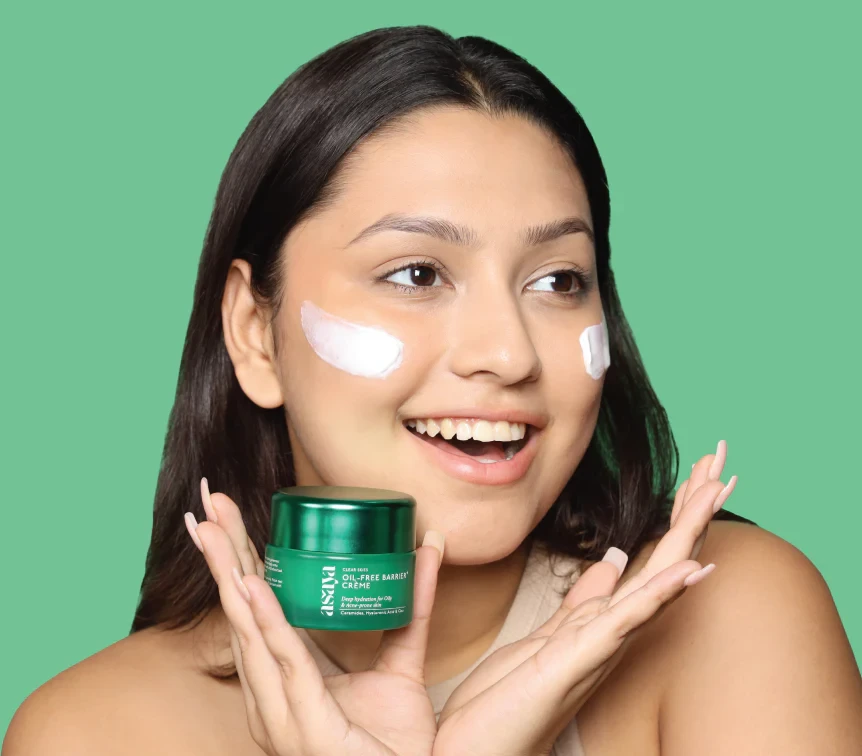
Look for simple, supportive formulas while skin feels reactive. A skin barrier cream can help reduce the dry, tight feeling by adding moisture and barrier-supporting lipids.
Choose products based on how your skin feels. Dry skin may prefer a cream, while oily skin may prefer a light gel.
Ceramides are lipids found in the skin barrier. They help support its moisture-holding structure. Asaya Moisture Cocoon Creme contains ceramides and niacinamide, and is made for normal to dry skin needing hydration and barrier support.
Hydrating serums and hyaluronic acid act as humectants. They help draw moisture into the skin. A cream or gel can then help keep that hydration in place. Asaya New Light Gel Face Moisturiser combines hyaluronic acid and five ceramides with MelaMe™ Complex and mattifying agents in a lightweight gel formulated for oily or acne-prone skin. You can find the full serums collection on the Asaya website.
First, pause exfoliating acids, retinol, and strong vitamin C for two to three weeks. This gives stinging, redness, and flaky areas a break from common triggers.
Cleanse gently and avoid hot water.
Use one hydrating layer if it does not sting.
Apply a ceramide-rich cream or lightweight barrier gel.
Patch-test one product at a time before adding it back.
Reintroduce actives slowly only after skin feels comfortable.
If oiliness and visible pores are also concerns, introduce Asaya 10% Niacinamide & 1% Alpha Arbutin Serum only after irritation settles. Do not stack it with several new actives at once.
There is no single timeline. Mild dryness may settle sooner when irritants are reduced. A severely compromised skin barrier can take longer, especially if it keeps meeting the same trigger.
Track comfort instead of chasing a fixed date. Less stinging, less tightness, and smoother texture are useful signs of progress. It can also help to keep a simple skin diary — noting which products you used and how your skin felt the next morning — so you can identify patterns and avoid repeating the same triggers during recovery.
Hot showers can worsen tightness. Over-cleansing can worsen dry flaky skin. Dry climates and air conditioning can also pull at already dehydrated skin.
Keep showers warm rather than hot, cleanse only as needed, and apply moisturiser when skin feels dry. Stress can also affect how your skin feels, so a simple routine helps reduce one source of strain.
Your skin is likely more settled when gentle products no longer sting, hydration lasts longer, and redness reduces. You may also notice less tightness and fewer rough patches.
It can improve with time and fewer irritants. A gentle routine and a barrier cream, such as Asaya Moisture Cocoon Creme for dry skin, can support the process. Persistent or severe symptoms need professional guidance.
Stop strong actives, keep your routine simple, and use hydration consistently. Choose a texture that suits your skin, such as a cream for dryness or a light gel for oily skin.
Start by pausing harsh actives and switching to a gentle cleanser. Layer a hydrating serum followed by a ceramide-rich moisturiser suited to your skin type. Reintroduce targeted treatments only once stinging, tightness, and flaking have settled.
Barrier repair is about comfort first. Once skin feels calm, you can return to targeted concerns like dark spots with care.
In clinical testing, MelaMe™ was shown to support the breakdown of excess melanin deposits into re-absorbable amino acids while helping inhibit new melanin production. It is an advanced, melanin-first molecule designed to visibly treat discolouration and restore pigment balance within two weeks of regular use. Use pigment care thoughtfully when your barrier is ready.
