


9 Best Ways to Treat Flaky Skin for Gen Z
Your Cart
0You May Also Like
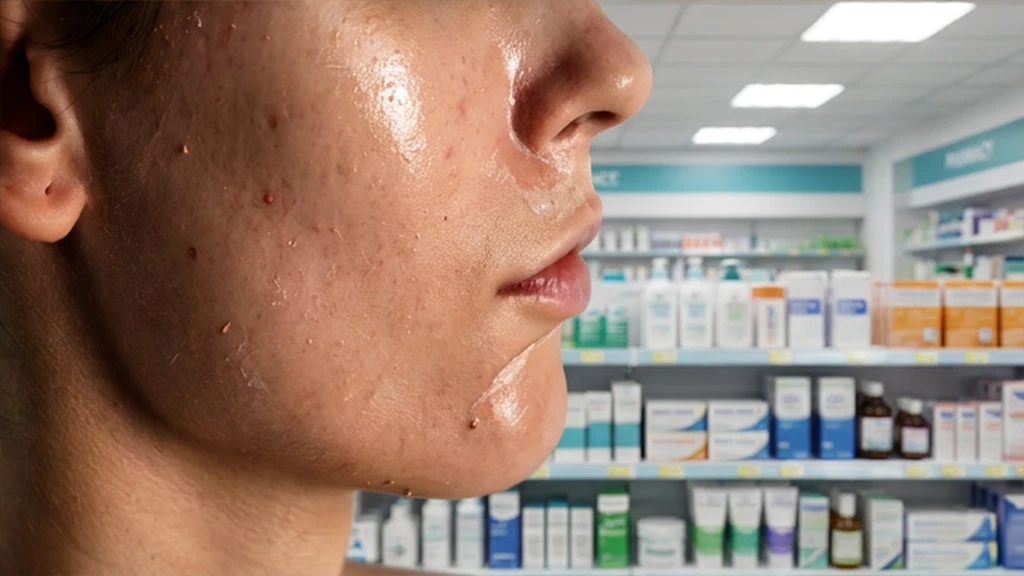
Flaky skin has become the ultimate Gen Z skincare struggle. Between endless screen time, environmental stressors, and the pressure to try every viral skincare trend, your skin barrier is probably crying for help. Unlike previous generations who dealt with simpler concerns, Gen Z faces a unique combination of factors that make flaky skin more common and stubborn. The good news? Understanding your skin type and following the right approach can transform your complexion from flaky to fabulous. Let's dive into the most effective, science-backed methods that actually work for young adults dealing with this frustrating skin concern.
Your generation faces unprecedented challenges when it comes to skin health. Environmental pollution in urban areas has increased dramatically, while climate change brings more extreme weather conditions that stress your skin barrier. Add to this the blue light exposure from constant screen time, and your skin is under attack 24/7.
Lifestyle factors play a huge role too. High stress levels from academic pressure, career uncertainty, and social media comparison trigger cortisol production, which breaks down your skin's natural moisture barrier. Irregular sleep patterns and trendy diets that eliminate essential fats further compromise your skin's ability to retain moisture.
Perhaps most importantly, Gen Z tends to experiment with skincare products more than any previous generation. Social media influences you to try multiple active ingredients simultaneously, often leading to over-exfoliation and damaged skin barriers. Many young adults make the mistake of thinking more products equal better results, when actually, your flaky skin might be crying out for simplicity and gentleness.
Here's where things get confusing. You might have oily skin that still flakes, which seems impossible but is actually very common among young adults. Dehydrated skin lacks water, while dry skin lacks oil. You can have oily, acne-prone skin that's simultaneously dehydrated and flaky.
Signs you have oily but flaky skin include shine in your T-zone, occasional breakouts, but also dry patches and flaking, especially after cleansing. Your skin might feel tight despite looking oily. This happens when your moisture barrier is damaged, causing water loss even though your sebaceous glands produce plenty of oil.
Genuinely dry skin, on the other hand, produces less oil overall. You'll notice consistent dryness across your entire face, minimal to no acne, and a tendency toward sensitivity. Understanding this difference is crucial because the treatment approaches vary significantly.
These proven methods address the root causes of flaky skin while being realistic for young adult lifestyles and budgets. Each technique builds upon the others to create a comprehensive approach to healthier skin.
Double cleansing removes makeup, sunscreen, and pollution without stripping your skin. Start with an oil-based cleanser to dissolve stubborn products, then follow with a gentle, hydrating cleanser. This method prevents the over-cleansing that often triggers flakiness in the first place. Choose cleansers with ceramides or hyaluronic acid to maintain moisture while cleaning.
Physical scrubs can worsen flaky skin by creating micro-tears. Instead, use gentle chemical exfoliants like BHA (salicylic acid) for oily, flaky skin or AHA (lactic acid) for dry, flaky skin. Start with once or twice weekly application and gradually increase frequency. Never use multiple exfoliating products simultaneously, as this leads to over-exfoliation and increased flakiness.
The key to treating flaky skin is proper hydration layering. Apply products from thinnest to thickest consistency. Start with a hyaluronic acid serum on damp skin to lock in moisture, followed by a lightweight moisturizer, then a heavier cream if needed. The "3-second rule" applies: apply each layer within three seconds of the previous one to maximize absorption.
For stubborn flaky patches, apply a thicker, occlusive treatment like a ceramide-rich cream or even a thin layer of petroleum jelly overnight. If you're dealing with both acne and flakiness, use spot treatments containing niacinamide, which reduces inflammation without drying out surrounding skin. Apply these treatments only to affected areas to avoid overwhelming healthy skin.
Your surroundings significantly impact skin hydration. Use a humidifier in your room, especially during winter months or in air-conditioned spaces. Aim for 40-50% humidity levels. Position yourself away from direct heating or cooling vents, and consider using a small desk humidifier if you spend long hours studying or working at a computer.
Hot water strips natural oils from your skin, worsening flakiness. Stick to lukewarm water and limit shower time to 5-10 minutes. Apply moisturizer within three minutes of showering while your skin is still slightly damp. This traps moisture and prevents the tight, flaky feeling that often follows hot showers.
As a young adult, you need products that deliver results without breaking the bank. Look for moisturizers with multiple benefits like niacinamide for pore control and hydration, or serums that combine hyaluronic acid with peptides. Drugstore brands often offer excellent formulations at student-friendly prices. Focus on building a solid basic routine before adding expensive specialty products.
Your skin reflects your overall health. Drink adequate water throughout the day, but don't expect hydration alone to fix flaky skin. Include healthy fats in your diet from sources like avocados, nuts, and fish. Prioritize 7-9 hours of sleep, as your skin repairs itself overnight. Manage stress through exercise, meditation, or hobbies, as chronic stress directly impacts skin barrier function.
If your flaky skin doesn't improve after 6-8 weeks of consistent care, or if you experience severe itching, redness, or bleeding, consult a dermatologist. Conditions like eczema, seborrheic dermatitis, or psoriasis require professional treatment. Don't let social stigma prevent you from seeking help – many skin conditions are easily treatable with proper medical guidance.
Sometimes you need immediate relief for flaky skin, especially before important events or when starting a new skincare routine. These emergency techniques provide temporary improvement while you work on long-term solutions.
For instant relief, apply a thick layer of a hydrating mask or even plain honey for 10-15 minutes, then gently rinse off. Follow with a rich moisturizer while skin is still damp. If you need to apply makeup over flaky skin, use a hydrating primer and avoid powder products that emphasize texture. Instead, opt for cream or liquid formulations that blend seamlessly with your skin.
Never pick or peel flaky skin, as this creates more irritation and potential scarring. Instead, gently press a warm, damp cloth against flaky areas for 30 seconds, then apply a thick moisturizer. This softens the flakes and helps them naturally shed without damage.
A successful skincare routine for flaky skin needs to be simple, consistent, and realistic for your lifestyle. Complexity often leads to inconsistency, which prevents you from seeing real results.
Your morning routine should include: gentle cleanser, hydrating serum, lightweight moisturizer, and broad-spectrum SPF 30 or higher. Keep it under five steps to ensure you'll actually do it every day, even when you're rushing to class or work.
Your evening routine can be slightly more elaborate: double cleanse, treatment products (like gentle exfoliants or targeted serums), hydrating serum, and a richer nighttime moisturizer. Use active ingredients like retinoids or acids only 2-3 times per week initially, building up slowly as your skin tolerates them.
Weekly maintenance should include one gentle exfoliation session and one intensive hydrating mask. Adjust your routine seasonally – use lighter products in summer and richer formulations in winter. Remember, consistency beats perfection every time.
The biggest mistake young adults make is over-exfoliating in an attempt to remove flaky skin quickly. This creates a vicious cycle where damaged skin produces more flakes, leading to more aggressive exfoliation. Limit exfoliation to 2-3 times per week maximum, and always follow with intensive moisturizing.
Another common error is mixing too many active ingredients without understanding how they interact. Combining retinoids with AHAs, or using multiple exfoliating products simultaneously, can severely damage your skin barrier. Introduce new products one at a time, waiting at least two weeks before adding another active ingredient.
Social media skincare trends often promote unrealistic expectations and dangerous practices. Ignore advice about using household items like baking soda or lemon juice on your face – these can cause severe irritation and worsen flakiness. Stick to products specifically formulated for facial skin, and remember that dramatic before-and-after photos often involve professional lighting and editing.
Most people notice initial improvement within 1-2 weeks of consistent care, with significant changes visible after 4-6 weeks. Your skin's natural renewal cycle takes about 28 days, so patience is essential. Stick to your routine even if you don't see immediate results.
Yes, but choose your products carefully. Use a hydrating primer, avoid powder foundations that emphasize texture, and opt for cream or liquid formulations. Remove makeup gently with an oil-based cleanser to prevent further irritation.
Not necessarily. Flaky skin can result from over-exfoliation, allergic reactions, skin conditions like eczema, or even oily skin that's dehydrated. Pay attention to other symptoms and consider consulting a dermatologist if the problem persists.
Dry skin lacks oil production and feels consistently tight and rough. Dehydrated skin lacks water and can affect any skin type, including oily skin. Dehydrated skin often feels tight after cleansing but may still produce oil in the T-zone.
No, but choose gentle chemical exfoliants over physical scrubs. Start with once weekly application and gradually increase frequency. Proper exfoliation actually helps remove dead skin cells that contribute to flakiness, but overdoing it makes the problem worse.
Treating flaky skin successfully requires understanding your specific skin type and addressing both external and internal factors. The key is consistency with gentle, hydrating products rather than aggressive treatments that promise quick fixes. Remember that your skin barrier needs time to repair itself, so patience and persistence are essential.
Focus on building a simple, sustainable routine that you can maintain long-term. Invest in quality basics like a gentle cleanser, hydrating serum, and good moisturizer before adding specialty treatments. Most importantly, don't let social media pressure you into complicated routines or unrealistic expectations. Your skin is unique, and what works for others might not work for you. Trust the process, be consistent, and don't hesitate to seek professional help when needed.
