


What SPF Protection Means: Your Questions Answered
Your Cart
0You May Also Like
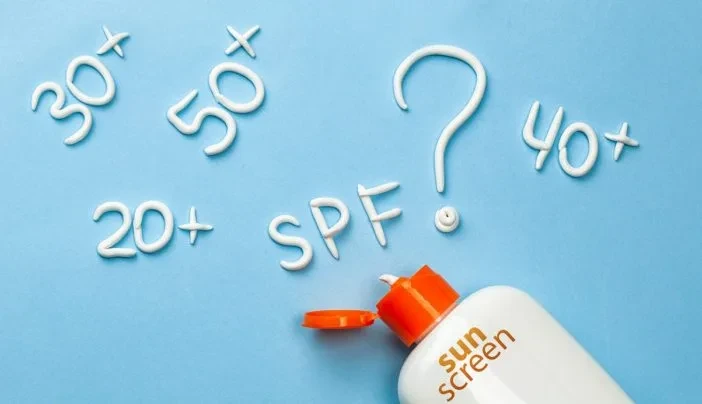
Ever wondered what those numbers on your sunscreen bottle actually mean? You're not alone. SPF protection is one of the most misunderstood aspects of skincare, yet it's crucial for preventing sun damage, premature aging, and protecting your skin from harmful UV rays. Whether you're dealing with pigmentation concerns or simply want to maintain healthy skin, understanding what SPF protection truly offers can transform your daily skincare routine. Let's dive into the science behind sun protection factor and answer the questions that matter most for your skin's health.
Sun Protection Factor measures how well a sunscreen protects your skin from UVB rays, the type of radiation that causes sunburn. Think of SPF as a multiplier that extends the time you can stay in the sun without burning. If your skin normally burns after 10 minutes of sun exposure, SPF 30 theoretically allows you to stay in the sun 30 times longer—about 300 minutes—before burning occurs.
However, this mathematical approach oversimplifies how SPF protection works in real life. The actual protection depends on several factors including how much sunscreen you apply, your skin type, the intensity of UV radiation, and environmental conditions. Most people apply only 25-50% of the recommended amount, significantly reducing the advertised protection level.
SPF ratings are determined through controlled laboratory testing where sunscreen is applied at 2 milligrams per square centimeter of skin. This thick application rarely matches real-world usage patterns, which explains why many people still experience sun damage despite using sunscreen regularly.
Understanding how SPF works requires knowing the difference between UVA and UVB radiation. UVB rays cause immediate burning and are what SPF ratings measure. UVA rays penetrate deeper into the skin, causing long-term damage like premature aging and contributing to skin cancer risk. This is why sunscreen protection needs to address both types of radiation.
The protection percentages tell a more accurate story than the multiplier effect. SPF 15 blocks approximately 93% of UVB rays, SPF 30 blocks 97%, and SPF 50 blocks 98%. While the difference between SPF 30 and 50 seems small, that extra 1% can be significant for people with fair skin or those spending extended time outdoors.
Several factors affect how well your sunscreen performs beyond the SPF rating. Sweating, swimming, and even touching your face can remove sunscreen. Wind and high altitudes increase UV exposure, requiring more frequent reapplication.
Choosing the right SPF levels depends on your lifestyle, skin type, and sun exposure patterns. Each level offers different benefits and limitations that are important to understand for optimal protection.
For most people, SPF 30 provides adequate daily protection when applied correctly and reapplied regularly. However, those with fair skin, a history of skin cancer, or extensive outdoor activities may benefit from higher protection levels.
Suitable for minimal sun exposure and darker skin tones. Provides 93% UVB protection but requires diligent reapplication every two hours.
Recommended by most dermatologists for daily use. Offers 97% UVB protection and works well for most skin types and moderate sun exposure.
Provides 98% UVB protection. Ideal for extended outdoor activities, fair skin, or areas with intense sun exposure like beaches or mountains.
Broad spectrum SPF protects against both UVA and UVB radiation, offering comprehensive sun protection. While SPF numbers only measure UVB protection, UVA rays cause 80% of visible aging signs including wrinkles, dark spots, and uneven skin tone.
Look for sunscreens labeled "broad spectrum" to ensure protection against both types of harmful radiation. In some countries, you'll also see PA+ ratings that specifically measure UVA protection, with PA++++ offering the highest level of UVA defense.
UVA rays penetrate deeper into the skin and are present year-round, even on cloudy days. They're the primary cause of photoaging and contribute significantly to skin cancer development.
Selecting the best SPF involves considering your daily activities, skin type, and specific concerns like pigmentation. Your ideal sunscreen should fit seamlessly into your routine while providing adequate protection for your lifestyle.
For those dealing with pigmentation issues, consistent daily SPF use is crucial for preventing dark spots from worsening and allowing treatments to work effectively. Even indoor workers need SPF protection, as UVA rays penetrate windows.
Office workers can typically use SPF 30 for adequate protection. Outdoor workers or athletes should opt for SPF 50 with water resistance. Beach activities require the highest protection levels with frequent reapplication.
Fair skin burns quickly and needs higher SPF protection. Medium to dark skin tones have natural protection but still require sunscreen to prevent hyperpigmentation and premature aging.
Even the highest SPF protection fails without proper application. Most people apply only one-fourth of the recommended amount, reducing a SPF 50 sunscreen to approximately SPF 12 protection. Understanding correct application techniques ensures you get the protection you're paying for.
The key to effective sunscreen protection lies in generous application and consistent reapplication. For your face, use about half a teaspoon of sunscreen, applying it 15-30 minutes before sun exposure to allow proper absorption.
Apply sunscreen in thin, even layers rather than one thick application. Don't forget often-missed areas like ears, neck, and the tops of feet. For SPF for face products, blend carefully around the eye area without getting product in your eyes.
Reapply every two hours regardless of SPF level. After swimming, sweating heavily, or toweling off, reapply immediately. Even water-resistant formulas need reapplication after 40-80 minutes of water exposure.
Higher SPF provides incrementally better protection, but the difference diminishes significantly above SPF 50. SPF 30 blocks 97% of UVB rays, while SPF 100 blocks 99%. The 2% difference rarely justifies the higher cost, and proper application of SPF 30 often provides better protection than poorly applied SPF 100.
While possible, facial sunscreens are formulated specifically for delicate facial skin. They're typically lighter, less likely to clog pores, and designed to work well under makeup. Body sunscreens may be too heavy or comedogenic for facial use, especially for those prone to breakouts.
SPF protection degrades over time due to UV exposure, not just time passage. While the "two-hour rule" is standard, you may need to reapply sooner if you're sweating, swimming, or in intense sun. The sunscreen's active ingredients break down as they absorb UV radiation, reducing effectiveness.
SPF 15 provides minimal protection suitable only for very limited sun exposure. Most dermatologists recommend SPF 30 as the minimum for daily use, as it provides significantly better protection with proper application. For those with pigmentation concerns, SPF 30 or higher is essential.
Yes, up to 80% of UV rays penetrate clouds. UVA rays, which cause aging and pigmentation, are present year-round regardless of weather. Daily sunscreen use is crucial for preventing cumulative sun damage, even during monsoon season or winter months.
Chemical sunscreens absorb UV rays and convert them to heat, while physical (mineral) sunscreens reflect UV rays away from skin. Both can provide excellent protection when formulated properly. Physical sunscreens are often better for sensitive skin, while chemical formulas tend to be more cosmetically elegant.
Understanding what SPF protection means empowers you to make informed decisions about your sun protection routine. Remember that SPF measures only UVB protection, so choose broad spectrum formulas for complete coverage. SPF 30 provides excellent daily protection when applied generously and reapplied regularly, while SPF 50 offers additional security for extended sun exposure.
The most important factors for effective sun protection are consistent daily use, proper application amount, and regular reapplication. No sunscreen provides 100% protection, so combine SPF with other protective measures like seeking shade and wearing protective clothing. For those managing pigmentation concerns, daily broad spectrum sunscreen use is non-negotiable for preventing further darkening and allowing treatments to work effectively.
