


SPF Explained: What Does Sunscreen Rating Mean?
Your Cart
0You May Also Like
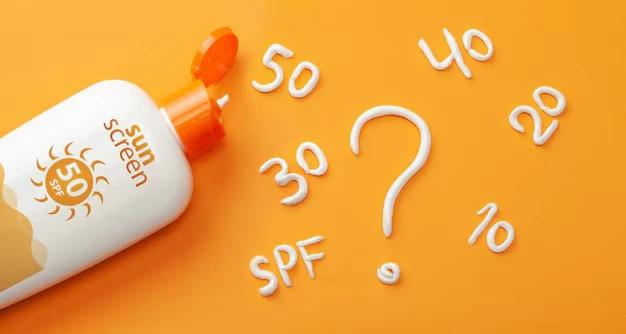
Ever wondered what those numbers on your sunscreen bottle really mean? You're not alone. SPF rating is one of the most misunderstood aspects of sun protection. Many people think SPF 30 means 30 minutes of protection, but that's not quite right. Understanding what SPF actually measures can help you make better choices for your skin's health. Let's break down the science behind these numbers and discover how to choose the right level of protection for your lifestyle.
Sun Protection Factor (SPF) measures how well a sunscreen protects your skin from UVB rays - the type of radiation that causes sunburn. Think of SPF as a multiplication factor rather than a timer. If your skin normally burns after 10 minutes in the sun, SPF 30 theoretically extends that time to 300 minutes (10 x 30). The SPF meaning goes deeper than just time, though. It actually represents the fraction of UVB rays that reach your skin. SPF 15 allows 1/15th of UVB rays through, while SPF 30 allows 1/30th. This mathematical relationship explains why higher numbers don't always mean dramatically better protection. Many people have misconceptions about how SPF works. Some think doubling the SPF number doubles the protection time, but the reality is more nuanced. Environmental factors like altitude, reflection from water or sand, and even the time of day all affect how long your sunscreen actually protects you.
To truly understand how SPF works, we need to look at the different types of UV radiation. UVB rays cause immediate damage like sunburn and play a major role in skin cancer development. UVA rays penetrate deeper into skin, causing premature aging and also contributing to cancer risk. Laboratory testing for SPF involves exposing volunteers to controlled UV light sources. Scientists measure how much UV radiation it takes to cause redness on protected versus unprotected skin. This testing happens under ideal conditions - thick, even application in a controlled environment.
Laboratory conditions rarely match real life. Most people apply only 25-50% of the recommended amount of sunscreen. Sweating, swimming, and rubbing against clothing all reduce effectiveness. Wind, humidity, and reflection from surfaces can increase UV exposure beyond what lab tests account for.
Understanding SPF levels helps you make informed decisions about sun protection. Here's what different ratings actually block: • SPF 15: Blocks approximately 93% of UVB rays • SPF 30: Blocks approximately 97% of UVB rays • SPF 50: Blocks approximately 98% of UVB rays • SPF 100: Blocks approximately 99% of UVB rays Notice how the protection increase gets smaller as SPF numbers get higher. The jump from SPF 15 to 30 gives you 4% more protection, but going from SPF 50 to 100 only adds 1% more coverage. This diminishing return happens because you're already blocking most UV rays at SPF 30. The remaining percentage becomes harder to eliminate completely. For most people, SPF 30-50 provides excellent protection when applied correctly.
Higher SPF products often cost more but don't necessarily provide proportionally better protection. SPF 100 might give you peace of mind, but SPF 50 applied properly and reapplied regularly often works just as well. The key is consistent, generous application rather than relying on a higher number.
SPF rating only measures UVB protection, but complete sun safety requires broad spectrum SPF coverage. UVA rays don't cause immediate burning, so they weren't historically measured by SPF systems. However, UVA penetrates deeper into skin and causes significant long-term damage. Broad spectrum sunscreens protect against both UVA and UVB rays. Look for this designation on labels, as it's just as important as the SPF number. Some countries use PA ratings (PA+, PA++, PA+++) to indicate UVA protection levels alongside SPF. Without broad spectrum protection, you might avoid sunburn while still experiencing skin aging and increased cancer risk from UVA exposure. Modern sunscreen formulations typically include both types of protection, but always check the label to be sure.
Choosing the right sunscreen rating depends on your skin tone, planned activities, and environmental conditions. Fair skin that burns easily needs higher protection than skin that tans readily. However, everyone benefits from consistent sun protection regardless of natural skin tone. For daily wear, dermatologists typically recommend SPF 30 as the minimum effective level. This provides excellent protection for routine activities like commuting, running errands, or working near windows. SPF 30 strikes a good balance between protection and cosmetic elegance. Outdoor activities, beach days, or high-altitude adventures call for SPF 50 or higher. Water reflects UV rays, increasing exposure intensity. Snow reflects even more UV radiation than water, making winter sports particularly demanding on sun protection.
Altitude increases UV exposure by about 4% per 1,000 feet of elevation. If you're hiking or skiing at high elevations, choose higher SPF and reapply more frequently. Similarly, tropical locations near the equator have more intense UV radiation year-round.
SPF rating indicates how much UVB radiation a sunscreen blocks. SPF 30 blocks about 97% of UVB rays, while SPF 50 blocks about 98%. The number also represents how much longer you can theoretically stay in the sun compared to unprotected skin.
SPF 30 doesn't mean 30 minutes of protection. If your skin normally burns after 10 minutes, SPF 30 theoretically extends that to 300 minutes. However, real-world factors like sweating, swimming, and uneven application reduce this time significantly. Reapply every two hours regardless of SPF level.
Not necessarily. SPF 30 and SPF 50 provide similar protection when applied correctly. Higher SPF can give you a small safety margin if you don't apply enough product, but proper application and regular reapplication matter more than choosing SPF 100 over SPF 50.
SPF 15 blocks 93% of UVB rays, while SPF 50 blocks 98%. That 5% difference can be significant for people with fair skin or those spending extended time outdoors. For daily use, both can be effective with proper application.
UVA rays can penetrate windows, so some protection helps if you sit near windows for extended periods. However, indoor SPF needs are much lower than outdoor requirements. A moisturizer with SPF 15-30 is usually sufficient for indoor activities.
Mixing SPF products doesn't add their numbers together. If you layer SPF 15 moisturizer under SPF 30 foundation, you get approximately SPF 30 protection, not SPF 45. Use products as directed and choose one with adequate protection rather than layering multiple lower-SPF items.
Understanding SPF empowers you to make smart sun protection choices. Remember that SPF measures UVB protection as a multiplication factor, not minutes of coverage. SPF 30 provides excellent daily protection, while SPF 50 works well for extended outdoor activities. Broad spectrum protection matters just as much as SPF numbers. Look for sunscreens that protect against both UVA and UVB rays. Apply generously, reapply every two hours, and don't rely on SPF alone - seek shade and wear protective clothing when possible. The best sunscreen is the one you'll actually use consistently. Whether that's SPF 30 or SPF 50, regular application beats sporadic use of higher-rated products. Your skin will thank you for the consistent protection over the years.
