


What are UV Rays and How Do They Affect Your Skin?
Your Cart
0You May Also Like
Every day, invisible energy waves from the sun travel 93 million miles to reach your skin in just 8 minutes. These ultraviolet rays can begin damaging your skin cells in as little as 15 minutes of unprotected exposure. Understanding what are UV rays and how they affect your skin is crucial for maintaining healthy, protected skin throughout your life. This guide breaks down the science behind ultraviolet radiation, explores both the harmful and beneficial effects, and provides practical strategies to protect yourself while still enjoying the outdoors.
So what are UV rays exactly? UV rays are invisible electromagnetic waves with wavelengths between 100-400 nanometers. They sit on the electromagnetic spectrum between visible light and X-rays, making them shorter than the light we can see but longer than dangerous X-ray radiation.
Not all ultraviolet radiation is the same. Scientists classify UV rays into three distinct types based on their wavelengths and how they interact with our atmosphere and skin.
UVA rays have wavelengths between 315-400 nanometers and penetrate the deepest into your skin layers. These rays remain consistent throughout daylight hours and can pass through glass windows and clouds. UVA radiation is primarily responsible for premature aging and contributes to skin cancer development.
UVB rays measure 280-315 nanometers and are the primary cause of sunburn and most skin cancers. Their intensity varies dramatically based on time of day, season, and geographic location. Unlike UVA rays, most UVB radiation gets blocked by glass, which explains why you typically don't get sunburned while sitting inside by a window.
UVC rays span 100-280 nanometers and represent the most dangerous form of ultraviolet radiation. Fortunately, Earth's ozone layer absorbs virtually all UVC rays before they reach the surface. You might encounter UVC radiation from artificial sources like germicidal lamps used for sterilization.
The amount of ultraviolet radiation reaching your skin changes constantly throughout the day and year. Understanding these patterns helps you make smarter decisions about when and how to protect yourself during sunlight exposure.
The UV index measures ultraviolet radiation intensity on a scale from 1 to 11+. Weather services worldwide use this standardized system to help people plan their daily sun protection needs.
Several factors influence daily UV levels. Time of day plays the biggest role, with peak intensity occurring between 10 AM and 4 PM. Seasonal changes affect UV strength, with summer months delivering the highest levels. Your altitude and latitude also matter – UV intensity increases by about 4% for every 1,000 feet of elevation, and locations closer to the equator receive stronger radiation year-round.
Many people underestimate UV exposure on cloudy days, but up to 80% of UV rays can penetrate cloud cover. Reflective surfaces amplify your exposure significantly – fresh snow reflects up to 90% of UV rays, sand reflects 15%, and water reflects 10%.
Understanding the radiation effects on your skin helps explain why sun protection is so important. UV damage occurs at the cellular level and can have both immediate and long-term consequences for your health and appearance.
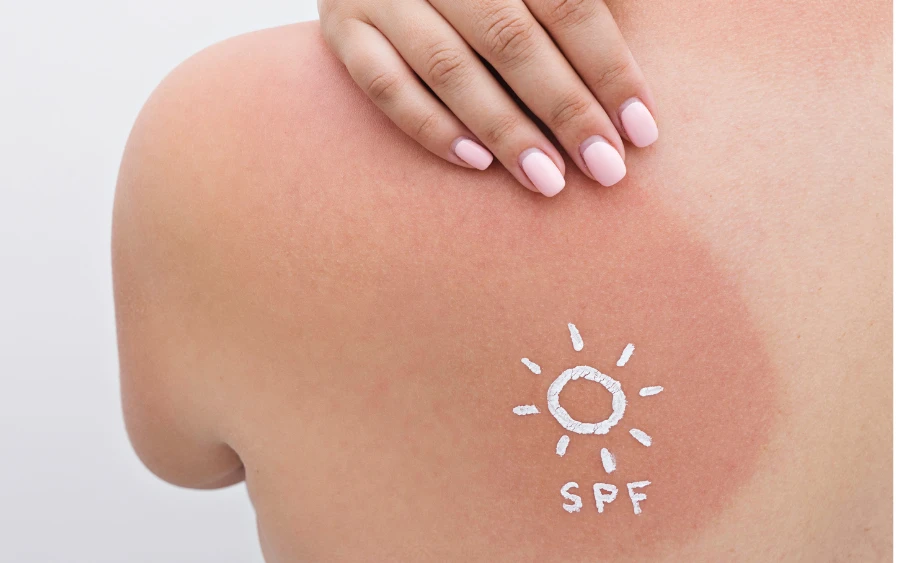
Sunburn represents your skin's inflammatory response to DNA damage from UVB radiation. When UV rays penetrate your skin cells, they create breaks in the DNA strands that trigger inflammation, redness, and pain.
Even before visible sunburn appears, UV radiation begins damaging skin cells at the molecular level. Your body has natural repair mechanisms, but repeated exposure can overwhelm these systems and lead to permanent damage.
Chronic UV exposure accelerates skin aging through a process called photoaging. UVA rays penetrate deep into the dermis, breaking down collagen and elastin fibers that keep skin firm and smooth. This leads to wrinkles, age spots, and changes in skin texture that can appear decades before natural aging would cause similar effects.
The most serious long-term consequence is skin damage that can develop into skin cancer. UV radiation causes cumulative DNA damage that can trigger abnormal cell growth. Melanoma, basal cell carcinoma, and squamous cell carcinoma all have strong links to UV exposure, with most cases occurring on sun-exposed areas of the body.
Effective sun protection involves multiple strategies working together to minimize harmful UV exposure while still allowing you to enjoy outdoor activities safely.
Broad-spectrum sunscreens protect against both UVA and UVB rays. SPF ratings indicate protection level against UVB radiation – SPF 30 blocks about 97% of UVB rays, while SPF 50 blocks 98%. The difference between higher SPF values becomes minimal, making SPF 30-50 the sweet spot for most people.
Proper application requires about one ounce (two tablespoons) of sunscreen for your entire body, applied 15-30 minutes before sun exposure. Reapplication every two hours is crucial, especially after swimming or sweating.
Clothing provides excellent UV protection when chosen wisely. Tightly woven fabrics, darker colors, and specially treated UV-protective clothing offer superior protection compared to regular summer clothes. Wide-brimmed hats protect your face, neck, and ears, while UV-blocking sunglasses shield your eyes and the delicate skin around them.
Seeking shade during peak UV hours significantly reduces your exposure. Even partial shade can cut UV levels by 50% or more, making outdoor activities much safer during midday hours.
UV rays are invisible energy waves from the sun that are shorter than visible light but longer than X-rays. They can cause both beneficial vitamin D production and harmful skin damage depending on exposure levels.
Skin damage can begin in as little as 15 minutes of unprotected exposure, depending on your skin type and the UV index level. Fair-skinned individuals may experience damage even faster.
UVA rays can penetrate most glass windows, while UVB rays are largely blocked. This explains why you can develop sun damage while driving or sitting near windows for extended periods.
Yes, up to 80% of UV rays can penetrate cloud cover. Many people get unexpected sunburns on overcast days because they skip sun protection thinking they're safe.
UVA rays penetrate deeper into skin and cause aging, while UVB rays primarily cause sunburn and skin cancer. Both types contribute to skin damage, which is why broad-spectrum protection is important.
Understanding what are UV rays empowers you to make informed decisions about sun protection. These invisible energy waves from the sun can cause significant skin damage in surprisingly short timeframes, but with proper protection strategies, you can safely enjoy outdoor activities while maintaining healthy skin. Remember that effective sun protection combines multiple approaches – sunscreen, protective clothing, shade-seeking, and timing outdoor activities wisely. The key is consistency in your protection habits, as UV damage accumulates over time. By respecting the power of ultraviolet radiation while taking appropriate precautions, you can protect your skin's health and appearance for years to come.
