


Prevent PIH & Acne Scars: Your SPF Checklist for Indian Skin
Your Cart
0You May Also Like

₹636 ₹749

₹424 ₹499

₹509 ₹599

₹594 ₹699

₹424 ₹499

₹466 ₹549
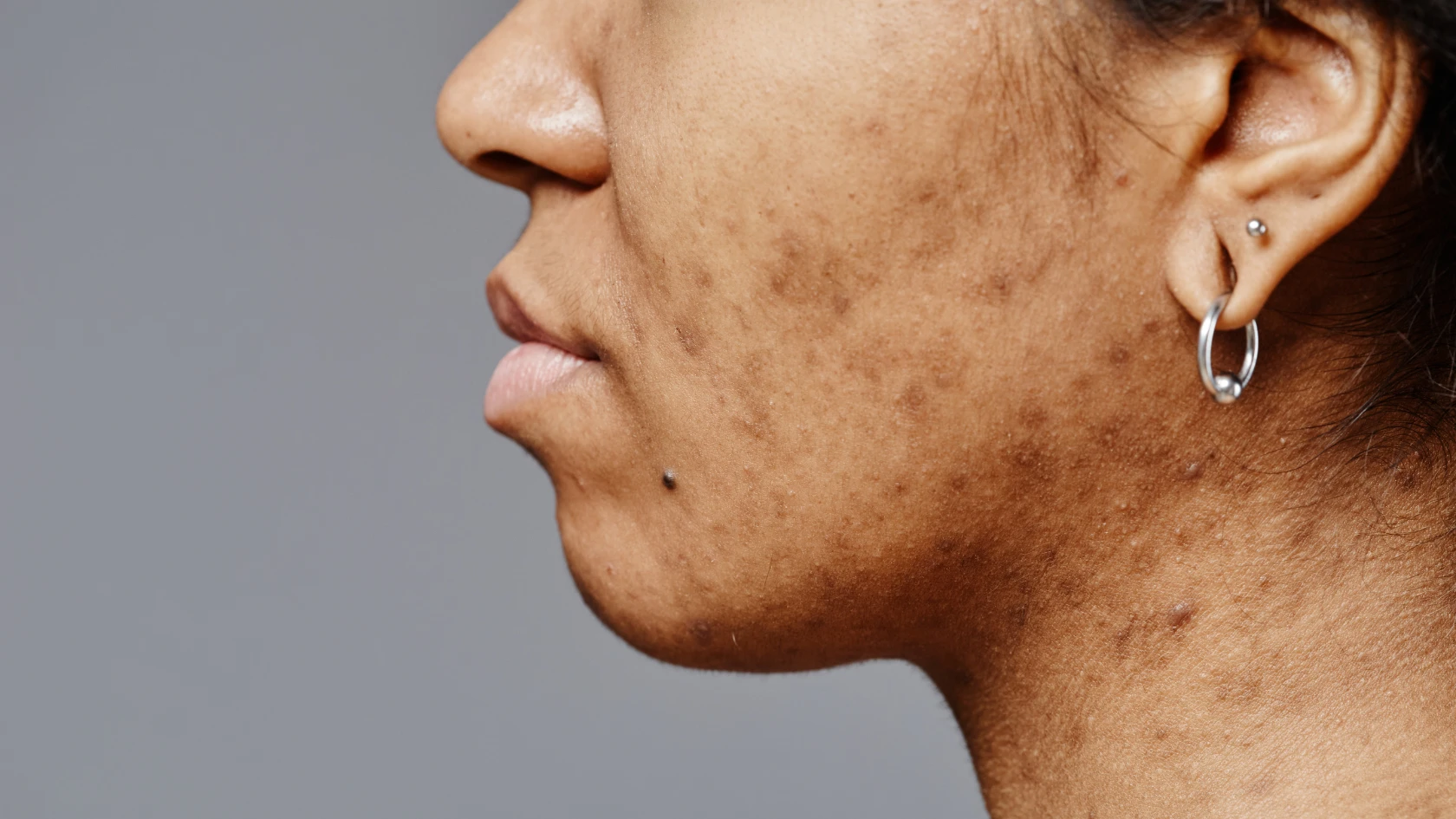
Acne can leave a mark long after the breakout is gone. For melanin-rich Indian skin, that mark can deepen fast with sun exposure. This is called post-inflammatory hyperpigmentation, or PIH. It is common, normal, and often slow to fade. Your sunscreen is not just a daytime extra. It helps stop existing dark spots from getting darker while you work on the cause. Choosing the right SPF for PIH and acne scar prevention is one of the most effective steps you can take. Asaya builds skincare around pigmentation concerns on Indian skin, where sun, heat, and irritation can all affect uneven tone. Use this checklist to choose and apply SPF with more clarity.
PIH means post-inflammatory hyperpigmentation. It happens when skin makes extra melanin after acne, irritation, or injury. Sun exposure can make those areas look darker and last longer.
This matters when you are treating acne marks. Daily sun protection supports PIH prevention and protects the progress of your wider routine.
Acne marks are usually flat red, brown, or grey-brown areas left after a spot heals. PIH is a type of dark acne mark. True acne scars change the skin's texture, such as dents or raised areas. Sunscreen for acne scars protects surrounding skin and helps stop marks from darkening, but it cannot smooth a textured scar by itself.
Indian skin often falls within Fitzpatrick skin types IV to VI. These skin types can have reactive melanocytes, the cells that make melanin. That means acne, friction, and sun exposure may leave darker marks. A melanin-rich skin sunscreen should therefore protect against daily UV exposure without causing irritation.
Start with broad-spectrum SPF 30 at minimum. SPF 50 is a practical choice when you have active PIH, frequent sun exposure, or long commutes. Look for PA+++ or PA++++ as well.
Asaya Spot Light Sunscreen (available as a Pack of 2 for ongoing daily use) has SPF 50 PA++++ and a lightweight gel-cream texture. It also contains niacinamide, licorice extract, and MelaMe™ Complex for dark spots and acne marks.
UVB is linked with sunburn. UVA reaches deeper into skin and can worsen uneven tone and dark spots. Broad-spectrum sunscreen covers both UVA and UVB, so it is the right baseline for hyperpigmentation sunscreen. Do not rely on a product that only states SPF without clear broad-spectrum coverage.
PA ratings indicate UVA protection. More plus signs mean higher UVA protection. PA+++ is a useful minimum for daily wear, while PA++++ gives higher support for frequent outdoor exposure. In sunny and humid conditions, this rating matters because UVA can reach you during everyday daylight hours.
If you have oily or acne-prone skin and are dealing with dark spots, the best sunscreen for pimples and dark spots is one you will actually wear in full — Asaya Sheer Milk Sunscreen is an SPF 50 PA++++ matte fluid formulated specifically for oily, acne-prone, and combination skin. The right SPF for oily skin is one you can wear at the correct amount. If it feels greasy or heavy, you may use too little or skip reapplication. That can leave PIH less protected.
Choose non-comedogenic, oil-free, matte, gel, fluid, or lightweight formulas when those suit your skin. Patch test if your skin breaks out easily.
Choose a matte fluid for oily or combination skin.
Choose a gel-cream if you prefer a light, comfortable layer.
Choose a mineral formula if your skin feels reactive or sensitive.
Asaya Sun Drip Mineral Sunscreen uses non-nano zinc oxide and Cica for sensitive, acne-prone, or reactive skin.
When choosing a sunscreen for PIH-prone skin, look for ingredients that do double duty. Niacinamide supports an even tone and fits well into a dark-spot routine — it is included in several Asaya sunscreen formulas. Licorice extract is another ingredient worth seeking out for its brightening properties. Zinc oxide, found in mineral formulas, offers broad-spectrum protection while being gentle on reactive skin. A sunscreen can contain supportive skincare ingredients, but its first job is consistent UV protection.
Avoid a formula that stings, causes irritation, or seems to trigger breakouts. Fragrance may be a concern for some sensitive or acne-prone skin types.
Visible light can be relevant to uneven tone on melanin-rich skin. A tinted sunscreen with stated blue-light defense can add another layer of daily protection. Asaya Hint of Tint provides SPF 50 PA++++, 5% niacinamide, sheer coverage, and blue-light defense. It is made for oily, combination, acne-prone, and sensitive skin.
There is no single ingredient that breaks out every person. Your own skin response matters most. If a sunscreen leaves you congested, itchy, or sore, stop using it and choose a simpler texture. For sun protection for sensitive skin, a mineral option may feel more comfortable.
Even a high SPF cannot work well when you apply too little. Apply sunscreen as the last step of your morning skincare routine, before makeup. Let treatment serums settle first.
Use the two-finger rule for your face and neck. Place sunscreen along two full fingers, then spread it evenly.
Apply after cleanser, treatment serum, and moisturiser.
Cover the face, neck, ears, and other exposed areas.
Reapply during long outdoor time, sweat-heavy activity, or after wiping your face.
For easy reapplication, Asaya Sheerscreen Mist offers SPF 50+ PA++++ in a clear, quick-drying mist. It is water-resistant for up to 80 minutes and can be used on the face and body.
SPF works better as part of a calm, steady routine. Cleanse without stripping your skin, use one suitable treatment step, moisturise, and protect every morning. Too many strong actives can cause irritation, which may lead to more marks.
Asaya Even Tone Face Cleanser removes makeup and SPF without stripping skin. The Asaya 2% Kojic Acid and 1% Alpha Arbutin Serum targets uneven tone, PIH, and sun-induced dullness. Use sunscreen every morning when using leave-on brightening treatments.
Dark spots do not mean you failed at skincare. They often need patience and steady protection. Small sunscreen habits can make a real difference over time.
Watch for these common gaps in your routine.
Using a thin layer instead of the two-finger amount.
Skipping reapplication during outdoor exposure or sweating.
Using SPF only on sunny days, not during normal daylight hours.
Expecting sunscreen alone to fade old marks or textured scars.
These answers can help you narrow down your sunscreen checklist. Keep your skin type, daily exposure, and comfort in mind.
Use SPF 30 at minimum, with broad-spectrum coverage. SPF 50 is a useful choice for active PIH because it helps prevent acne marks from darkening. It protects scarred skin from further sun-related colour change, but does not remove textured scars.
Look for broad-spectrum SPF 50, PA++++, and a texture you will use daily. A tint with stated blue-light defense may also suit PIH-prone skin. Asaya Spot Light Sunscreen combines SPF 50 PA++++ with niacinamide, licorice extract, and MelaMe™ Complex.
Choose a broad-spectrum SPF 30 or higher, ideally SPF 50 for active dark spots. Sunscreen prevents marks from getting darker. It does not directly fade existing pigmentation without a wider routine and regular use.
Choose a non-comedogenic formula with broad-spectrum SPF 50 and high UVA protection. If your skin is oily, a matte fluid like Asaya Sheer Milk Sunscreen may feel easier to wear. If it is reactive, Asaya Sun Drip Mineral Sunscreen may be a better fit.
A good SPF checklist is simple: broad-spectrum coverage, SPF 30 to 50, strong UVA protection, enough product, and regular reapplication. Keep your routine gentle, especially when acne or dark spots are active. Alongside that daily protection, Asaya's MelaMe™ Complex works to address pigmentation from within — regulating tyrosinase to slow new spot formation and supporting melanophagy, the skin's natural process of clearing existing melanin deposits. In a consistent routine, MelaMe™ and your sunscreen work together: one helping to fade and prevent discolouration, the other protecting that progress every day.
