


Face Sunscreen for Beginners: A Step-by-Step Application Guide
Your Cart
0You May Also Like
Starting your journey with face sunscreen for beginners can feel overwhelming with countless products and conflicting advice. The truth is, protecting your face from harmful UV rays is one of the most important steps you can take for healthy, youthful skin. Whether you're dealing with acne, sensitive skin, or simply want to prevent premature aging, choosing the right sunscreen for face and applying it correctly makes all the difference. This comprehensive guide will walk you through everything you need to know about face sunscreen, from understanding different types to mastering proper application techniques that actually work.
Your face receives more sun exposure than any other part of your body, making daily face sunscreen essential for preventing both immediate and long-term damage. Studies show that up to 80% of visible aging comes from UV exposure, not natural aging processes. This means those fine lines, dark spots, and uneven skin tone you're worried about can largely be prevented with consistent sun protection for face.
Many beginners make critical mistakes that reduce sunscreen effectiveness by up to 50%. Common errors include using too little product, skipping reapplication, or choosing the wrong formula for their skin type. Face-specific sunscreens differ significantly from body formulas because facial skin is thinner, more sensitive, and requires lighter textures that work well under makeup.
Choosing the best face sunscreen starts with understanding the two main categories available. Each type offers unique benefits depending on your skin concerns and lifestyle needs. The key is finding a formula that you'll actually want to use every single day.
Mineral face sunscreen contains zinc oxide or titanium dioxide as active ingredients. These physical blockers sit on top of your skin and reflect UV rays away from your face. They work immediately upon application, making them perfect for beginners who forget to wait before sun exposure. Dermatologists often recommend mineral formulas for sensitive skin because they're less likely to cause irritation or allergic reactions.
Chemical sunscreens absorb into your skin and convert UV rays into heat energy. They typically feel lighter and blend more easily than mineral options. However, they require 15-20 minutes to become effective and may cause sensitivity in some people. Popular chemical ingredients include avobenzone, octinoxate, and oxybenzone.
Non-comedogenic face sunscreen won't clog your pores or contribute to breakouts. Look for gel-based formulas if you have oily skin, or lightweight creams for normal to dry skin types. These formulations often include ingredients like niacinamide or hyaluronic acid that provide additional skincare benefits while protecting from sun damage.
Understanding SPF ratings helps you make informed decisions about your face sunscreen guide needs. SPF 30 blocks about 97% of UVB rays, while SPF 50 blocks 98%. The difference seems small, but that extra 1% can matter for very fair or sun-sensitive skin types.
Always choose broad-spectrum protection that shields against both UVA and UVB rays. UVA rays penetrate deeper into skin and cause aging, while UVB rays cause burning. Both contribute to skin cancer risk, making comprehensive protection essential for daily use.
Modern sunscreen for face formulas often include blue light protection for people who spend long hours in front of screens. Some also offer antioxidant ingredients like vitamin C or green tea extract that provide additional protection against environmental damage. Water-resistant formulas work well for active lifestyles or humid climates.
Proper sunscreen application for face technique determines how well your product actually protects your skin. Most people use only 25-50% of the recommended amount, significantly reducing protection levels. Following these steps ensures you get the full SPF value from your chosen product.
Start with clean, moisturized skin. Apply your regular skincare products first, then wait 2-3 minutes before adding sunscreen. This prevents pilling and ensures even coverage. Measure out about half a teaspoon of product for your entire face and neck area.
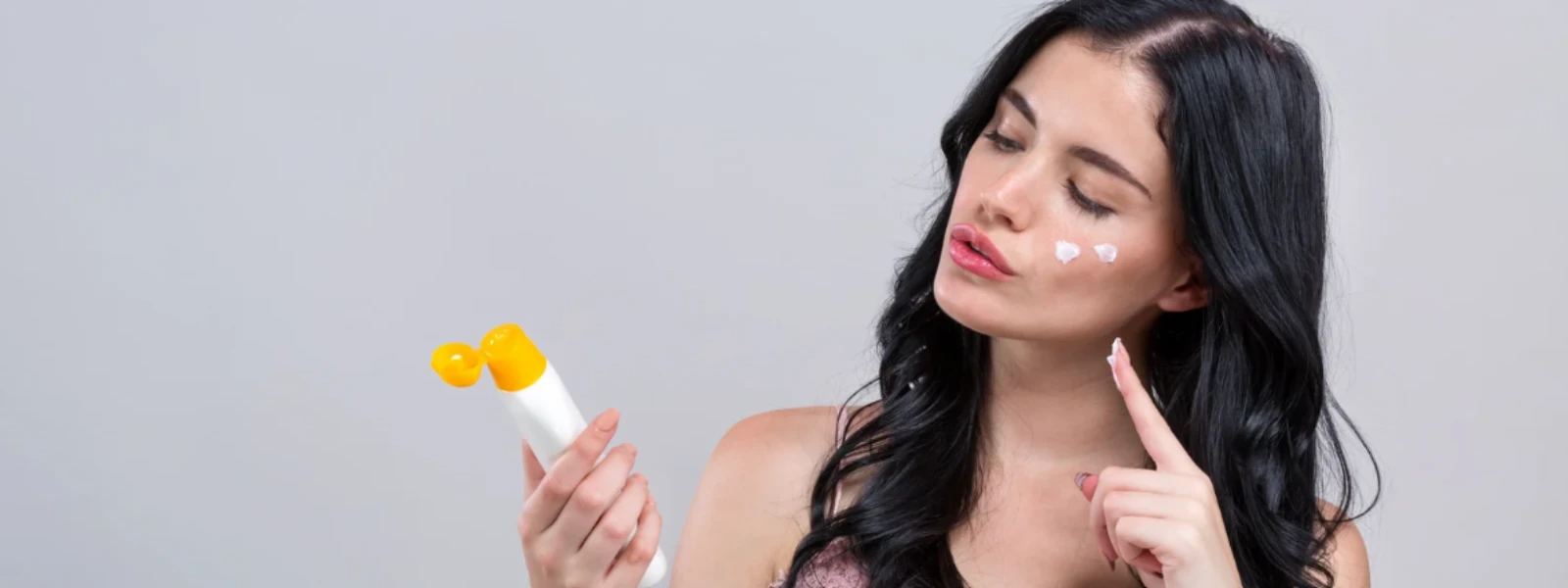
Use the dot method by placing small amounts on your forehead, both cheeks, nose, and chin. Blend gently using upward motions, working from the center of your face outward. Don't forget often-missed areas like around your eyes, ears, and the back of your neck. Take extra time around the hairline and jawline where coverage often becomes patchy.
Reapply every two hours during sun exposure, or immediately after swimming or sweating. Over makeup, use a setting powder with SPF or a sunscreen spray designed for touch-ups. Keep a small tube in your bag for easy reapplication during outdoor activities.
Creating a sustainable routine with daily face sunscreen requires finding products that work well together. The correct order is cleanser, treatments or serums, moisturizer, then sunscreen as your final step before makeup. This layering ensures each product can work effectively without interference.
Your face sunscreen for sensitive skin needs may change with seasons and activities. Summer might require higher SPF or water-resistant formulas, while winter calls for more moisturizing options. Indoor workers still need daily protection since UV rays penetrate windows and contribute to cumulative skin damage.
Many beginners struggle with white cast, greasiness, or breakouts when starting their sunscreen journey. These issues usually stem from choosing the wrong formula for your skin type or using incorrect application techniques. The good news is that most problems have simple solutions.
If your mineral face sunscreen leaves a white residue, try using less product and blending more thoroughly. Tinted formulas can also help match your skin tone better. For deeper skin tones, look for zinc oxide sunscreens specifically formulated to blend invisibly.
If your current sunscreen causes acne, switch to a non-comedogenic face sunscreen with gel or fluid texture. Patch test new products on a small area first. Sometimes purging occurs when starting new skincare routines, but true allergic reactions require immediate product discontinuation.
Use about half a teaspoon of product for your face and neck combined. This ensures you get the full SPF protection listed on the label. Most people use far less than this recommended amount.
No, up to 80% of UV rays penetrate clouds. Daily application regardless of weather conditions provides the most consistent protection for your skin health and appearance.
Avoid chemical sunscreen ingredients like oxybenzone, octinoxate, and avobenzone if you have sensitive skin. Stick with mineral formulas containing zinc oxide or titanium dioxide instead.
Check the expiration date on the package, usually 2-3 years from manufacture. Expired sunscreen loses effectiveness and may cause skin irritation. Replace products that smell off or have changed texture.
You may want lighter formulas in summer and more moisturizing options in winter. However, maintaining consistent daily use matters more than switching products seasonally.
Starting your face sunscreen for beginners journey successfully comes down to choosing the right product for your skin type and using it consistently every day. Remember that mineral sunscreens work immediately and suit most skin types, while proper application technique ensures you get full protection. Building sunscreen into your daily routine takes time, but the long-term benefits for your skin health and appearance make the effort worthwhile. Start with a gentle, broad-spectrum SPF 30 formula and focus on developing the habit before worrying about finding the perfect product.
