


9 DIY Remedies for Even Skin Tone Using Kitchen Ingredients
Your Cart
0You May Also Like
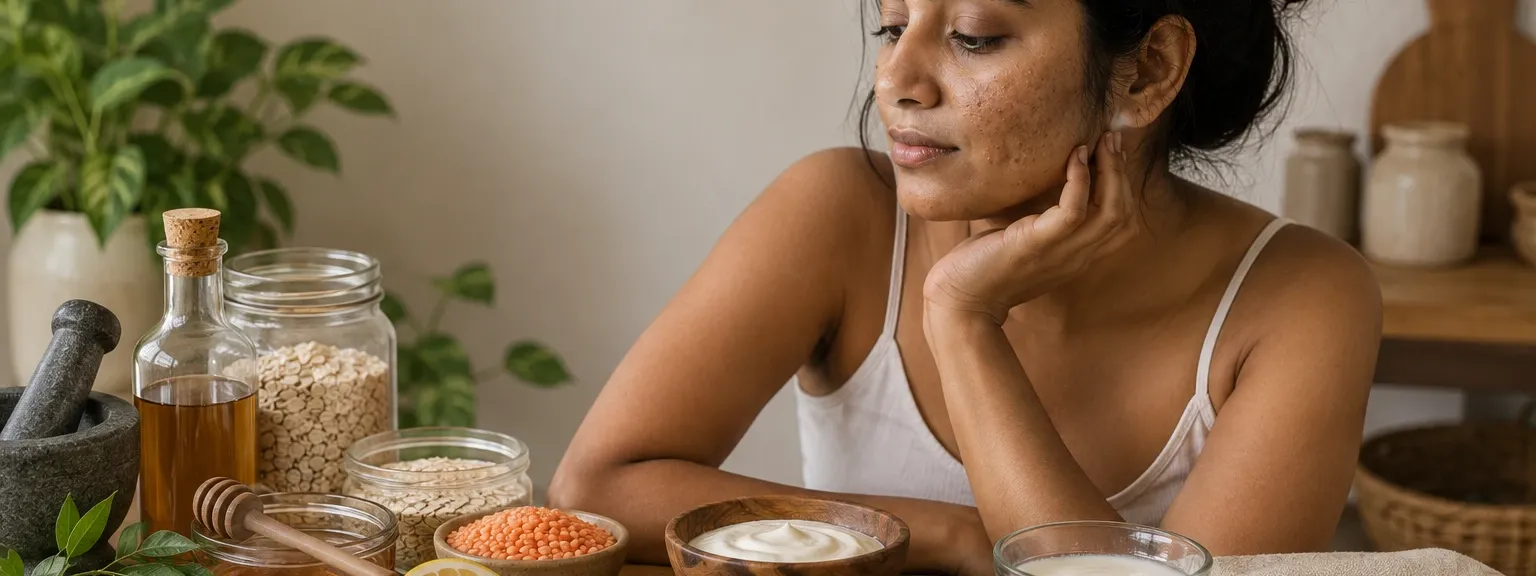
Your kitchen holds more skincare potential than most beauty aisles. While commercial products promise quick fixes, the ingredients sitting in your pantry have been trusted for generations to brighten, heal, and even out skin tone naturally. From turmeric's anti-inflammatory powers to lemon's vitamin C boost, these everyday items work gently but effectively on melanin-rich skin. The best part? You know exactly what you're putting on your face, and your wallet stays happy too. Even brands like Asaya, which focus specifically on Indian skin concerns, recognize that natural ingredients form the foundation of effective skincare science.
Nine kitchen ingredients can naturally brighten skin and fade dark spots when used consistently over 4-6 weeks
Simple combinations like lemon-honey masks and turmeric-yogurt treatments target hyperpigmentation safely
Patch testing and sun protection are essential for safe DIY skincare results
Kitchen ingredients aren't just convenient—they're scientifically sound. Many contain the same active compounds found in expensive serums. Lemon juice delivers vitamin C, yogurt provides lactic acid, and turmeric offers curcumin's anti-inflammatory benefits. These natural actives work more gently than their synthetic counterparts, making them ideal for sensitive or reactive skin.
The cost difference is striking too. A homemade honey-oat mask costs about ₹15, while a similar commercial treatment might run ₹500 or more. Plus, you control the freshness and quality of every ingredient. No mysterious preservatives or potential irritants hiding in the formula.
Traditional Indian skincare has relied on these ingredients for centuries. Your grandmother's turmeric paste wasn't just folklore—it was practical science that worked. Modern research now explains why these time-tested remedies actually deliver results.
Uneven skin tone happens when melanin production goes into overdrive in certain spots. Sun exposure, acne inflammation, hormonal changes, or simple irritation can trigger this response. On melanin-rich skin, these dark spots tend to be more persistent and noticeable.
Kitchen ingredients tackle this problem through multiple pathways. Some provide gentle exfoliation to remove dead skin cells harboring excess pigment. Others deliver antioxidants that protect against further damage. Many contain natural acids that help break down existing pigmentation over time.
The key is consistency and patience. While you might notice brighter, smoother skin within a week, meaningful pigmentation changes take 4-6 weeks of regular use. This timeline matches what dermatologists expect from professional treatments too.
These remedies use ingredients you likely already have, combined in ways that maximize their skin-brightening potential. Each targets different aspects of uneven tone, from gentle exfoliation to antioxidant protection.
Mix 1 tablespoon fresh lemon juice with 2 tablespoons raw honey. The vitamin C in lemon helps break down excess melanin, while honey provides hydration and antibacterial benefits. Apply for 15 minutes, then rinse with lukewarm water. Use 2-3 times weekly, always followed by sunscreen the next day since lemon increases photosensitivity.
Combine 1 teaspoon turmeric powder with 3 tablespoons plain yogurt. Turmeric's curcumin reduces inflammation that can worsen pigmentation, while yogurt's lactic acid provides gentle exfoliation. Leave on for 20 minutes. Patch test first—turmeric can temporarily stain lighter skin tones yellow.
Grind 2 tablespoons oats into powder, then mix with enough whole milk to form a paste. Massage gently in circular motions for 2 minutes, then leave for 10 more minutes. The physical exfoliation removes dead skin cells while milk's lactic acid brightens gradually.
Grate one potato and squeeze out the juice. Apply directly to dark spots with a cotton pad twice daily. Potato contains vitamin C and mild enzymes that lighten pigmentation slowly but safely. This works best for targeted treatment rather than full-face application.
Mash half a tomato and mix with 1 tablespoon sugar. The lycopene in tomatoes provides antioxidant protection while sugar offers physical exfoliation. Scrub gently for 3 minutes, focusing on areas with uneven tone. Use once weekly to avoid over-exfoliation.
Save the water from cooking rice and let it cool. Apply with cotton pads as a toner after cleansing. Rice water contains amino acids and vitamins that condition skin and provide subtle brightening effects. Store in the refrigerator for up to one week.
Blend half a cucumber and mix with 2 tablespoons fresh aloe vera gel. This cooling combination reduces inflammation and provides deep hydration. Perfect for calming irritated skin that might be contributing to uneven tone. Apply for 20 minutes.
Brew strong green tea, let it cool, then mix equal parts with honey. Green tea's polyphenols protect against environmental damage while honey moisturizes. Use as a weekly mask or daily toner for ongoing antioxidant protection.
Mash 2 tablespoons ripe papaya with 1 tablespoon fresh pineapple juice. Both fruits contain natural enzymes that provide gentle chemical exfoliation, helping to fade surface pigmentation. Apply for 15 minutes maximum—these enzymes are potent and can irritate if left too long.
Don't try all nine remedies at once. Your skin needs time to adjust and respond. Start with 2-3 treatments per week, spacing them out to avoid irritation. Monday might be your turmeric-yogurt day, Wednesday could be lemon-honey, and Friday your gentle oat scrub.
Pay attention to how your skin responds. Some people see initial brightening within a week, while others need 3-4 weeks for noticeable changes. Dark spots that took months to form won't disappear overnight, but consistent use will gradually fade them.
Always apply sunscreen the morning after any treatment, especially those containing citrus or exfoliating ingredients. Sun protection isn't optional—it's what prevents new dark spots from forming while you're working on existing ones.
Patch testing isn't negotiable. Apply any new mixture to a small area behind your ear or on your inner wrist first. Wait 24 hours to check for redness, itching, or irritation. This simple step prevents turning a helpful remedy into a skin disaster.
Use fresh ingredients whenever possible. That lemon that's been sitting in your fridge for two weeks won't deliver the same vitamin C punch as a fresh one. Similarly, honey can crystallize and become harsh, so opt for liquid, raw varieties.
Store any leftover mixtures in the refrigerator and use within 2-3 days. Without preservatives, natural remedies spoil quickly and can harbor bacteria that cause breakouts rather than clear skin.
Most people notice smoother, brighter skin within 1-2 weeks of consistent use. Significant fading of dark spots typically takes 4-6 weeks. This timeline is similar to what you'd expect from commercial products, but the gentler nature of natural ingredients means results build gradually rather than appearing overnight.
Yes, but you'll need to scale up the recipes significantly. Body skin is generally less sensitive than facial skin, so you can often use these treatments more frequently. Focus on areas like elbows, knees, and underarms where darkening commonly occurs.
Most kitchen ingredients are safe for topical use during pregnancy, but avoid essential oils and stick to gentle options like oatmeal, honey, and cucumber. When in doubt, consult your healthcare provider, especially if you have sensitive skin or pregnancy-related skin changes.
Stop using the remedy immediately and rinse thoroughly with cool water. Apply a gentle moisturizer and avoid any active ingredients for a few days. If irritation persists beyond 24 hours, consider consulting a dermatologist. Sometimes what works for others doesn't work for your specific skin type.
Natural remedies can complement science-backed treatments, but timing matters. Use DIY treatments on alternate days from active serums to avoid over-treating your skin. If you're using targeted treatments for pigmentation, the gentle nature of kitchen ingredients can provide supportive care without interfering with more potent formulations.
Kitchen ingredients offer a gentle, accessible way to work on uneven skin tone, but they're just one piece of the puzzle. Consistency, sun protection, and realistic expectations will determine your success more than any single remedy. These natural treatments work best as part of a broader approach to skin health that includes proper cleansing, moisturizing, and protection.
For more persistent pigmentation concerns, combining natural remedies with scientifically formulated treatments can accelerate results. Advanced ingredients like MelaMe™ Complex work by targeting melanin production at the cellular level, breaking down existing deposits while preventing new ones from forming. This melanin-first approach, developed specifically for Indian skin, can fade dark spots within 2 weeks of regular use—tested and proven through clinical studies. While kitchen remedies provide gentle daily care, targeted treatments address pigmentation more directly and efficiently.
