


7 Best Sensitive Skin Moisturizers Types Revealed
Your Cart
0You May Also Like

₹424 ₹499

₹509 ₹599

₹594 ₹699

₹424 ₹499

₹466 ₹549
Finding the right very sensitive skin moisturizer can feel like searching for a needle in a haystack. Your skin reacts to everything, from weather changes to new products, leaving you frustrated and uncomfortable. The good news? Dermatologists have identified specific formulations that work wonders for reactive skin types. We've tested and researched the most effective options available, focusing on gentle ingredients that calm rather than irritate. Whether you're dealing with redness, dryness, or general sensitivity, the right moisturizer can transform your daily routine from a source of stress into a moment of relief.
Choosing a sensitive skin cream requires understanding what your skin truly needs. Sensitive skin lacks the robust barrier function of normal skin types, making it more vulnerable to environmental stressors and product reactions. The perfect moisturizer acts as both a protective shield and a healing treatment. Effective formulations focus on barrier repair while providing immediate comfort. They contain minimal ingredients to reduce the risk of reactions, yet each component serves a specific purpose. The texture matters too – some sensitive skin types prefer lightweight lotions, while others need richer creams for adequate protection.
Ceramides form the foundation of excellent sensitive skin care. These lipid molecules naturally occur in healthy skin barriers and help lock in moisture while keeping irritants out. Look for products containing ceramides 1, 3, and 6-II for optimal barrier repair. Hyaluronic acid provides deep hydration without feeling heavy or greasy. This ingredient can hold up to 1,000 times its weight in water, making it perfect for dehydrated sensitive skin. It works at multiple molecular weights to hydrate different skin layers. Glycerin and squalane offer gentle moisture retention without clogging pores. These humectants draw water from the environment while creating a protective film on the skin surface. They're particularly beneficial for those with both sensitive and acne-prone skin.
Fragrances top the list of problematic ingredients for sensitive skin. Even "natural" essential oils can trigger reactions in reactive skin types. Always choose a fragrance-free moisturizer to minimize irritation risk. Alcohol-based formulations strip the skin of natural oils, worsening sensitivity over time. Denatured alcohol, ethanol, and isopropyl alcohol should be avoided entirely. However, fatty alcohols like cetyl alcohol are actually beneficial for sensitive skin. Harsh preservatives including some parabens and sulfates can cause contact dermatitis in sensitive individuals. While not everyone reacts to these ingredients, choosing products with gentler preservation systems reduces your risk of developing sensitivities.
Finding the right moisturizer for very sensitive skin is often less about brand names and more about choosing formulas designed to protect, soothe, and strengthen the skin barrier. After reviewing dermatologist guidance, ingredient research, and sensitive skin care best practices, these seven moisturizer types consistently stand out for their gentle yet effective performance.
Ceramide moisturizers are among the most recommended options for sensitive skin because they help restore and strengthen the skin’s natural protective barrier. These formulas reduce moisture loss, improve resilience, and support long-term skin comfort without overwhelming delicate skin.
For highly reactive skin, fewer ingredients often mean fewer opportunities for irritation. Minimal ingredient moisturizers focus on essential hydration and barrier support while avoiding unnecessary additives, making them ideal for people prone to redness or flare-ups.
Calming formulas are designed to reduce visible redness, discomfort, and environmental sensitivity. These moisturizers often prioritize soothing textures and ingredients that help skin feel balanced and comfortable throughout the day.
Fragrance-free moisturizers eliminate one of the most common triggers for irritation and sensitivity. Lightweight yet effective, these products provide everyday hydration while minimizing the risk of unwanted skin reactions.
Hypoallergenic moisturizers are formulated to lower the likelihood of triggering sensitivity. They generally avoid common irritants and focus on supporting skin hydration and comfort, making them a reliable option for delicate skin types.
Sensitive skin that feels tight, dry, or easily irritated often benefits from richer creams that create a protective moisture layer. These formulas help strengthen barrier function while delivering long-lasting hydration and reducing skin discomfort.
For those who want hydration without heaviness, gel-cream moisturizers provide a breathable option. Their fast-absorbing texture helps calm sensitive skin while maintaining moisture levels throughout the day.
Selecting the perfect redness relief cream requires understanding your specific sensitivity triggers and skin needs. Not all sensitive skin is the same – some people react to environmental factors, while others have product-related sensitivities. Identifying your personal triggers helps narrow down the best options for your unique situation. Consider your skin's current condition and long-term goals. Are you dealing with acute irritation that needs immediate relief, or are you looking for daily maintenance to prevent future reactions? Your answer will guide you toward the right product category and formulation strength.
Environmental factors like weather changes, pollution, and UV exposure can worsen skin sensitivity. Keep a skin diary to track when reactions occur and what environmental conditions might be contributing factors. Product-related triggers often include specific ingredients that cause immediate or delayed reactions. Common culprits include fragrances, preservatives, and active ingredients like retinoids or acids. Patch testing new products helps identify problematic ingredients before full-face application.
Always patch test new moisturizers before full application. Apply a small amount to your inner arm or behind your ear, then wait 48-72 hours to observe any reactions. This simple step can prevent widespread irritation and help you identify safe products. Watch for warning signs including redness, itching, burning, or unusual dryness in the test area. Even mild reactions during patch testing suggest the product isn't suitable for your sensitive skin.
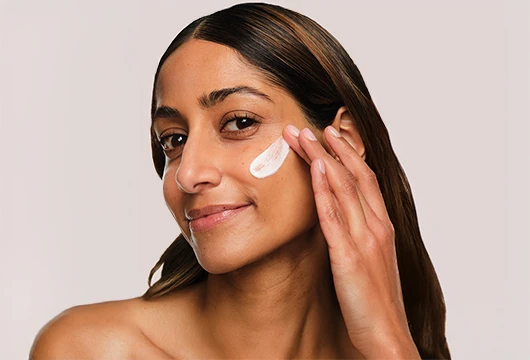
Proper application technique can make the difference between a calming face cream that works and one that causes irritation. Gentle handling of sensitive skin prevents additional trauma while maximizing product benefits. The way you apply your moisturizer matters as much as the product itself. Timing and technique work together to optimize results. Applying moisturizer to slightly damp skin helps lock in additional hydration, while gentle patting motions prevent unnecessary friction that could trigger sensitivity reactions.
Use about a quarter-sized amount for your entire face – more isn't always better with sensitive skin products. Excess product can clog pores or feel heavy, potentially causing breakouts or discomfort. Apply using gentle patting motions rather than rubbing or massaging. Sensitive skin is easily irritated by friction, so treat it with the same care you'd give delicate fabric. Work from the center of your face outward, paying special attention to particularly dry or sensitive areas.
When using multiple products, apply them in order of thinnest to thickest consistency. Serums go first, followed by moisturizer, then sunscreen during morning routines. Wait a few minutes between applications to allow each product to absorb properly. Avoid mixing active ingredients with your moisturizer unless specifically designed to work together. Combining products can alter their effectiveness or increase irritation risk.
Even the best soothing skin lotion can cause problems if used incorrectly. Many people with sensitive skin make well-intentioned mistakes that worsen their condition rather than improving it. Understanding these common pitfalls helps you avoid setbacks in your skincare journey. Consistency matters more than perfection when caring for sensitive skin. Small, sustainable changes in your routine often produce better results than dramatic overhauls that shock your skin into reacting.
Over-moisturizing can lead to clogged pores, milia, or a condition called perioral dermatitis. Signs include small bumps around the mouth or eyes, increased oiliness, or products that seem to sit on top of the skin rather than absorbing. Under-moisturizing leaves sensitive skin vulnerable to environmental damage and can actually increase sensitivity over time. Tight, flaky, or persistently red skin often indicates insufficient hydration.
Expired products can harbor bacteria or lose their effectiveness, potentially causing reactions in sensitive skin. Most moisturizers last 12-24 months after opening, but check the specific product packaging for guidance. Store products in cool, dry places away from direct sunlight. Heat and light can break down active ingredients and alter product consistency, making them less effective or potentially irritating.
The best moisturizer depends on your specific sensitivity triggers and skin type. CeraVe Daily Moisturizing Lotion works well for most people due to its gentle, effective formula with ceramides and hyaluronic acid. However, extremely reactive skin might benefit from La Roche-Posay Toleriane Dermallergo or Avène Tolérance Control Recovery Cream.
Cream formulations typically work best for sensitive skin because they contain fewer potentially irritating ingredients than lotions. Look for products with minimal ingredient lists, no fragrances, and proven gentle ingredients like ceramides, glycerin, and hyaluronic acid.
Start with gentle cleansing using lukewarm water, then apply moisturizer to slightly damp skin to lock in extra hydration. Use products twice daily and consider adding a hydrating serum underneath your moisturizer. Avoid hot water, harsh scrubbing, and products with active ingredients until your skin barrier improves.
Yes, many sensitive skin moisturizers work well for oily skin types. Look for lightweight, non-comedogenic formulas like Cetaphil Daily Hydrating Moisturizer or gel-based options. Oily skin can still be sensitive and needs gentle hydration to maintain its barrier function.
Price doesn't always indicate effectiveness for sensitive skin. Many drugstore options like CeraVe and Cetaphil perform as well as or better than expensive alternatives. Focus on ingredient quality and clinical testing rather than price when choosing products for sensitive skin.
Most people notice improved comfort within 3-7 days of consistent use. Significant barrier repair and sensitivity reduction typically take 4-6 weeks. Be patient and consistent – sensitive skin needs time to heal and adjust to new products.
Finding your perfect very sensitive skin moisturizer requires patience, careful ingredient evaluation, and consistent use. The seven products we've highlighted offer proven solutions for different types of sensitive skin concerns, from basic hydration needs to specialized treatment requirements. Remember that what works for others might not work for you – sensitive skin is highly individual. Start with patch testing, introduce new products gradually, and give each option adequate time to show results. When you find the right moisturizer, your skin will thank you with improved comfort, reduced reactivity, and a healthier appearance overall.
