


How Your Skin Type Shapes Your Skin Microbiome
Your Cart
0You May Also Like
Your skin is home to trillions of bacteria, fungi, and other microorganisms that work together to keep your complexion healthy. This invisible ecosystem, known as your skin microbiome, isn't just randomly distributed across your face and body. The type of skin you have—whether oily, dry, or combination—actually shapes which bacteria thrive and which struggle to survive. Understanding how your skin type affects the bacteria and microbiome living on your skin can help you make better choices for your skincare routine and overall skin health.
If you're unsure whether your skin is oily, dry, or combination, learn how to accurately figure out your real skin type at home before choosing products that support your microbiome.
Your skin microbiome is a complex community of microorganisms that live on your skin's surface. Think of it as a bustling city where different bacterial species have their own neighborhoods, jobs, and relationships. This ecosystem includes beneficial bacteria like Staphylococcus epidermidis and Cutibacterium acnes, along with fungi and other microbes that work together to protect your skin.
Unlike your gut microbiome, which lives in a warm, moist environment, your skin bacteria must adapt to varying conditions like temperature changes, UV exposure, and different moisture levels across your face and body. These hardy microorganisms perform essential functions: they help maintain your skin's pH balance, protect against harmful pathogens, and even communicate with your immune system to keep inflammation in check.
Your skin type creates specific environmental conditions that favor certain bacterial communities over others. Sebum production is one of the biggest factors that determines which bacteria can thrive on your skin. Oily skin produces more sebum, creating a nutrient-rich environment that some bacteria love, while dry skin offers fewer resources but different survival opportunities.
The pH level of your skin also plays a crucial role in shaping your microbiome composition. Healthy skin typically maintains a slightly acidic pH between 4.5 and 6.5, but this can vary based on your skin type. Oily areas tend to be more acidic due to sebum production, while dry areas may have a higher pH that favors different bacterial species.
Temperature and humidity levels across different areas of your face create microclimates that influence bacterial growth. Your T-zone, for example, tends to be warmer and more humid than your cheeks, leading to distinct microbial communities in these regions.
If you have oily skin, your skin microbiome is likely dominated by bacteria that love lipid-rich environments. Cutibacterium acnes is particularly well-adapted to oily conditions, feeding on the fatty acids in sebum and thriving in the oxygen-poor environment of clogged pores.
While C. acnes gets a bad reputation for its role in acne, it's actually a normal part of healthy skin. Problems arise when this bacteria becomes overgrown or when certain strains become more aggressive. The acne prone skin microbiome often shows reduced diversity, with fewer beneficial bacteria to keep C. acnes in check.
Not all bacteria in oily skin cause problems. Staphylococcus epidermidis produces antimicrobial compounds that help protect against harmful pathogens. Maintaining a balanced population of these beneficial bacteria is key to preventing acne flares.
The dry skin microbiome faces unique challenges. With less sebum and moisture available, bacterial diversity tends to be lower compared to oily skin. The bacteria that do survive in these conditions are typically more resilient and adapted to harsh environments.
Staphylococcus species are particularly good at surviving in dry conditions, but when the skin barrier is compromised, harmful bacteria like Staphylococcus aureus can sometimes take over. This is why people with dry skin are more prone to infections and inflammatory skin conditions like eczema.
When your skin lacks moisture, it can't maintain its protective barrier effectively. This allows water to escape and makes it easier for irritants and harmful bacteria to penetrate, disrupting the delicate balance of your skin flora.
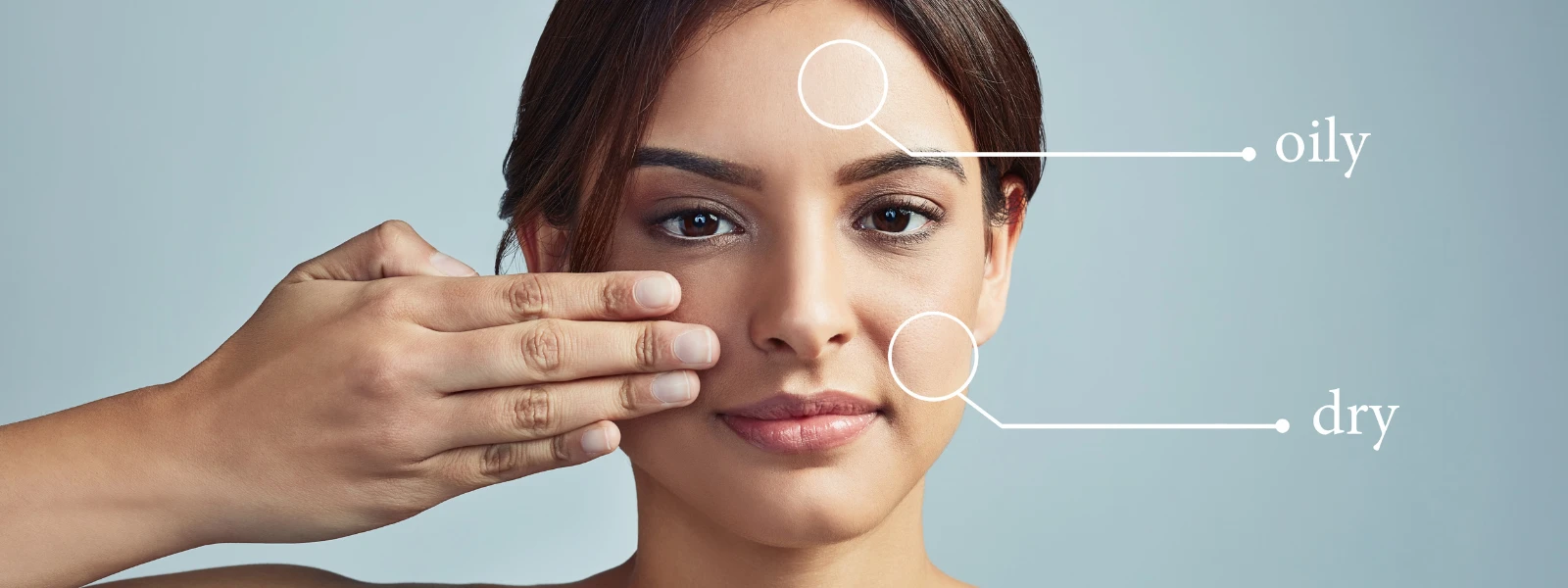
If you have combination skin, you're essentially managing multiple microbiomes on one face. Your T-zone might have a bacterial profile similar to oily skin, while your cheeks resemble dry skin patterns. This creates unique challenges for maintaining balanced skin microbiome composition by skin type.
The contrast between these different zones can be quite dramatic. Studies show that the bacterial diversity on your forehead and nose can be significantly different from what's found on your cheeks and jawline, even though they're just centimeters apart.
Your combination skin microbiome also changes with the seasons. Winter heating and summer humidity can shift the balance between oily and dry areas, affecting which bacteria dominate in different zones of your face.
Supporting your skin microbiome isn't about eliminating all bacteria—it's about maintaining a healthy balance. The approach you take should be tailored to your specific skin type and the bacterial communities that naturally thrive there.
For all skin types, gentle cleansing is crucial. Over-cleansing can disrupt beneficial bacteria and compromise your skin barrier. Look for products that respect your skin's natural pH and don't strip away protective oils completely.
Focus on ingredients that help balance sebum production without completely eliminating it. Salicylic acid can help unclog pores while preserving beneficial bacteria. Niacinamide is another excellent choice for regulating oil production and supporting skin barrier function.
Prioritize moisture barrier restoration with ingredients like ceramides and hyaluronic acid. These help create an environment where beneficial bacteria can thrive while keeping harmful microorganisms at bay.
Consider using different products on different areas of your face. A lightweight gel moisturizer might work well for your T-zone, while a richer cream could benefit your cheeks.
Modern skincare has evolved to include ingredients specifically designed to support healthy skin bacteria. MelaMe™ Complex is advanced skincare engineering from the house of Asaya. This melanin-first molecule has been designed to visibly treat discolouration and restore pigment balance in your skin within 2 weeks of regular use–tested and proven. It works on existing dark spots by breaking excess melanin deposits down into re-absorbable amino acids. MelaMe™ further inhibits excess melanin production, thereby fading and preventing blemishes, and bringing even-toned, clarified skin. It restores skin more effectively, uniformly, and much faster than other ingredients used to treat hyperpigmentation.
Another innovative approach involves microscopic, needle-like structures from natural sources, delivering gentle, non-invasive exfoliation as a microneedling alternative. They remove dead skin cells and create microchannels for faster absorption of active ingredients, boosting their efficacy against hyperpigmentation. This enhances cell turnover, fading dark spots for an even tone. This gentle exfoliation helps maintain healthy skin turnover without disrupting beneficial bacteria.
Your skin microbiome acts as a protective barrier against harmful pathogens, helps maintain proper pH levels, and communicates with your immune system. When balanced, it keeps your skin healthy and resilient. When disrupted, it can lead to acne, sensitivity, and other skin issues.
Start with gentle cleansing, avoid over-exfoliation, and use products with prebiotic ingredients that feed beneficial bacteria. Maintain a consistent routine and give your skin time to rebalance—it typically takes 4-6 weeks to see significant improvements.
While professional microbiome testing exists, you can assess your skin's health by observing its texture, sensitivity levels, and how it responds to products. Healthy skin typically feels balanced, not too oily or dry, and doesn't react negatively to gentle skincare products.
Your skin type influences your microbiome, but it's not permanent. Factors like age, hormones, climate, and skincare routine can all shift your skin's bacterial communities over time. This is why your skin needs may change as you get older.
Your skin type creates the environmental conditions that determine which bacteria can thrive on your skin. Understanding this connection helps you make informed decisions about your skincare routine. Whether you have oily, dry, or combination skin, supporting your microbiome involves gentle care, appropriate product selection, and patience as your skin finds its natural balance.
Remember that a healthy skin microbiome is diverse and balanced, not bacteria-free. By working with your skin's natural ecosystem rather than against it, you can achieve healthier, more resilient skin that looks and feels its best.
