


How to Choose the Right Serum for Your Skin Type
Your Cart
0You May Also Like
Finding the perfect face serum can feel overwhelming with countless options promising miraculous results. Yet choosing the right serum is one of the most important decisions you'll make for your skincare routine. The wrong serum can irritate your skin, worsen existing concerns, or simply waste your money on products that don't deliver. This comprehensive face serum guide will help you navigate the world of serums and discover exactly what your skin needs to thrive.
Before diving into serum ingredients and formulations, you need to understand your skin type. This knowledge forms the foundation for choosing right serum that will actually benefit your skin. Many people make the mistake of selecting serums based on trends rather than their specific skin needs.
Normal skin feels balanced with minimal concerns and can handle most serum formulations. Dry skin feels tight, flaky, or rough and needs hydrating serums with ingredients like hyaluronic acid.
Oily skin appears shiny, especially in the T-zone, and benefits from lightweight, oil-free serums. Combination skin has both oily and dry areas, requiring targeted treatment. Sensitive skin reacts easily to products and needs gentle, fragrance-free formulations.
Try the bare-face test: cleanse your face and wait 30 minutes without applying any products. Observe how your skin feels and looks. Professional skin analysis at a dermatologist's office can provide more detailed insights.
Understanding serum ingredients is crucial for choosing right serum. Different actives target specific skin concerns, and knowing which ingredients work for your needs will help you make informed decisions.
Hyaluronic acid holds up to 1000 times its weight in water, making it perfect for plumping and hydrating skin. Ceramides repair the skin barrier and lock in moisture for long-lasting hydration.
Vitamin C brightens skin and provides antioxidant protection against environmental damage. Niacinamide reduces dark spots while controlling oil production. Alpha arbutin gently fades pigmentation without irritation.
Salicylic acid penetrates deep into pores to clear blackheads and prevent breakouts. Zinc has anti-inflammatory properties that calm irritated, acne-prone skin.
Now that you understand ingredients, let's explore how to choose serum based on your specific skin type. Each skin type has unique needs that require different approaches to serum for skin care.
Look for facial serum with hydrating ingredients like hyaluronic acid, glycerin, and ceramides. Choose thicker, more emollient textures that provide lasting moisture without feeling heavy.
Select lightweight, water-based serums with niacinamide or salicylic acid. Avoid heavy oils that might clog pores. The best serum for oily skin absorbs quickly without leaving residue.
Use different serums for different areas of your face, or choose multi-benefit ingredients like niacinamide that address both oily and dry concerns. Apply lighter formulations to your T-zone and more hydrating options to dry areas.
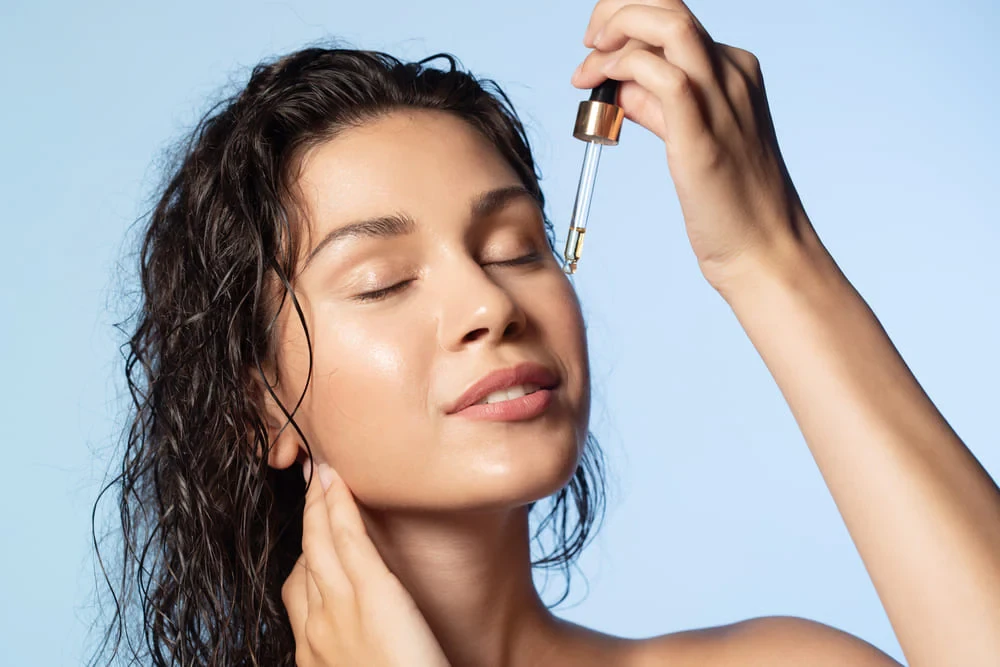
Understanding serum application techniques maximizes the serum benefits you'll experience. Proper application ensures your chosen skin type serum penetrates effectively and delivers results.
Apply serums to clean, slightly damp skin for better absorption. Use gentle patting motions rather than rubbing. Allow each layer to absorb for 30 seconds before applying the next product.
Most serums show initial results within 2-4 weeks of consistent use. Hydrating serums work fastest, while anti-aging and pigmentation serums may take 6-12 weeks for significant improvement.
Avoiding these common mistakes will help you succeed in choosing right serum. Many people make these errors that prevent them from seeing the results they want from their skincare routine.
Don't mix incompatible ingredients like vitamin C and retinol in the same routine. Avoid using too many active ingredients at once, which can cause irritation. Always patch test new serums before full application. Choose serums based on your skin's needs, not social media trends.
Start with gentle, single-ingredient serums like hyaluronic acid or niacinamide. Introduce one new serum at a time and use it for at least 4 weeks before adding another. Begin with lower concentrations to build tolerance.
Yes, but layer them from thinnest to thickest consistency. Use hydrating serums in the morning and active ingredients like retinol at night. Avoid mixing acids with vitamin C or retinol.
Stick with a serum for at least 3 months to see full results. Change seasonally if your skin needs shift, or when you've achieved your goals and want to address new concerns.
Serums have higher concentrations of active ingredients and lighter textures for deeper penetration. Moisturizers focus on hydration and barrier protection with heavier, occlusive formulations.
Successfully choosing right serum starts with understanding your skin type and specific concerns. Focus on proven ingredients that target your needs rather than following trends. Start slowly with gentle formulations and build up to stronger actives. Remember that consistency matters more than using multiple products. The best serum for you is one that addresses your skin concerns without causing irritation, fits your budget, and integrates seamlessly into your routine. Take time to research ingredients, read reviews, and patch test before committing to any new facial serum.
