


How to Choose the Right Sunscreen Type for You
Your Cart
0You May Also Like

₹424 ₹499

₹509 ₹599

₹594 ₹699

₹424 ₹499

₹466 ₹549
Choosing the right sunscreen can feel overwhelming with countless options lining store shelves. From chemical formulas to mineral barriers, SPF numbers to ingredient lists, the world of sun protection has evolved far beyond basic lotions. Understanding different sunscreen types isn't just about avoiding sunburn—it's about finding a product that works with your skin type, lifestyle, and daily routine. With skin cancer rates continuing to rise and UV damage linked to visible aging signs, selecting the proper sun protection has never been more critical. This comprehensive guide breaks down everything you need to know about sunscreen types, helping you make an informed decision that keeps your skin healthy and protected year-round.
The sunscreen market offers two primary categories: chemical and mineral formulations, each working through distinct mechanisms to protect your skin. Chemical sunscreens absorb UV rays and convert them into heat, while mineral sunscreens create a physical barrier that reflects harmful radiation away from your skin.
Chemical sunscreen products contain organic compounds like avobenzone, octinoxate, and oxybenzone that penetrate the skin's surface. These ingredients work by absorbing UV radiation and transforming it into harmless heat energy. Chemical formulas typically offer lightweight, invisible coverage that works well under makeup and doesn't leave white residue.
Mineral sunscreens rely on zinc oxide and titanium dioxide as active ingredients to create a protective shield on your skin's surface. These physical blockers immediately deflect both UVA and UVB rays without requiring absorption time. Modern mineral formulations have improved significantly, offering better blendability and reduced white cast compared to earlier versions.
Your skin type plays a crucial role in determining which sunscreen formulation will work best for your daily routine. Understanding how different products interact with various skin conditions helps ensure optimal protection and comfort.
People with sensitive skin often benefit from mineral sunscreens containing zinc oxide or titanium dioxide, as these sunscreen ingredients are less likely to cause irritation. Chemical sunscreen ingredients can sometimes trigger reactions in sensitive individuals, particularly those with rosacea or eczema. Look for fragrance-free, hypoallergenic formulations specifically designed for reactive skin types.
Oily skin types should seek non-comedogenic sunscreens with lightweight, oil-free formulations. Chemical sunscreens often work well for oily skin due to their thin consistency and quick absorption. Ingredients like niacinamide and salicylic acid in sunscreen formulations can provide additional benefits for acne-prone skin while maintaining sun protection.
Dry skin benefits from sunscreens with moisturizing ingredients like hyaluronic acid, ceramides, and glycerin. Cream-based formulations typically provide better hydration than gel or spray options. Some sunscreens double as moisturizers, streamlining your skincare routine while ensuring adequate protection.
Understanding sunscreen ingredients helps you make informed choices about what you're applying to your skin daily. Active ingredients determine protection levels, while inactive components affect texture, absorption, and additional skin benefits.
Avobenzone provides broad-spectrum UVA protection but can degrade when exposed to sunlight without stabilizing ingredients. Octinoxate effectively blocks UVB rays but has raised environmental concerns in some regions. Zinc oxide offers the broadest spectrum protection and remains stable in sunlight, making it a popular choice for sensitive skin formulations.
Antioxidants like vitamin C and vitamin E help neutralize free radicals generated by UV exposure. Octocrylene stabilizes avobenzone and extends the sunscreen's effectiveness. Niacinamide reduces inflammation and can help minimize the appearance of dark spots caused by sun damage.
SPF ratings indicate how long you can stay in the sun before burning compared to unprotected skin. However, higher SPF numbers don't always translate to proportionally better protection, and understanding these ratings helps you choose appropriate coverage for your lifestyle.
SPF 15 blocks approximately 93% of UVB rays, making it suitable for brief outdoor exposure or indoor activities near windows. SPF 30 provides 97% UVB protection and works well for most daily activities. These levels offer adequate protection for routine errands, commuting, and office work with minimal direct sun exposure.
SPF 50 blocks 98% of UVB rays and provides better protection during extended outdoor activities like hiking, beach days, or sports. Higher SPF levels become more important for fair-skinned individuals, those taking photosensitizing medications, or people spending multiple hours in direct sunlight.
Sunscreen effectiveness depends heavily on proper application, and different formulation types offer varying levels of coverage and convenience. Understanding these options helps you choose products that fit seamlessly into your routine.
Cream sunscreens provide the most reliable coverage and work well for face and body application. These formulations typically offer better water resistance and longer-lasting protection. Lotions spread easily over large areas and often include moisturizing ingredients that benefit dry skin types.
Spray sunscreens offer convenience for reapplication and hard-to-reach areas but require careful application to ensure even coverage. Powder sunscreens work well for touch-ups over makeup but shouldn't be your primary protection method. Both options can complement cream formulations but rarely provide adequate standalone protection.
Active lifestyles require sunscreens that maintain effectiveness despite sweat and water exposure. Water-resistant formulations undergo specific testing to ensure protection levels during swimming and exercise activities.
Water-resistant sunscreens maintain their SPF rating for 40 minutes of water exposure, while very water-resistant products last 80 minutes. These ratings apply to both swimming and sweating activities. However, toweling off, rubbing, or extended water exposure still requires reapplication regardless of resistance claims.
Sport sunscreens often include additional ingredients that help them adhere to skin during intense physical activity. These formulations may feel slightly heavier but provide superior staying power during workouts, hiking, or beach volleyball. Look for products specifically labeled for sport use if you're active outdoors regularly.
Growing environmental awareness has led to increased demand for eco-friendly sunscreen formulations that protect both skin and marine ecosystems. Understanding these options helps you make choices aligned with environmental values while maintaining effective sun protection.
Hawaii and other locations have banned certain chemical sunscreen ingredients due to coral reef damage concerns. Oxybenzone and octinoxate are primary ingredients to avoid in reef-safe formulations. Mineral sunscreens with zinc oxide and titanium dioxide are generally considered more environmentally friendly options.
Some brands offer biodegradable formulations that break down naturally in marine environments. Sustainable packaging options include recyclable tubes, refillable containers, and plastic-free alternatives. These choices allow environmentally conscious consumers to maintain sun protection while minimizing ecological impact.
Even the best sunscreen fails when applied incorrectly or inconsistently. Understanding common application errors helps maximize your sun protection investment and ensures optimal skin health outcomes.
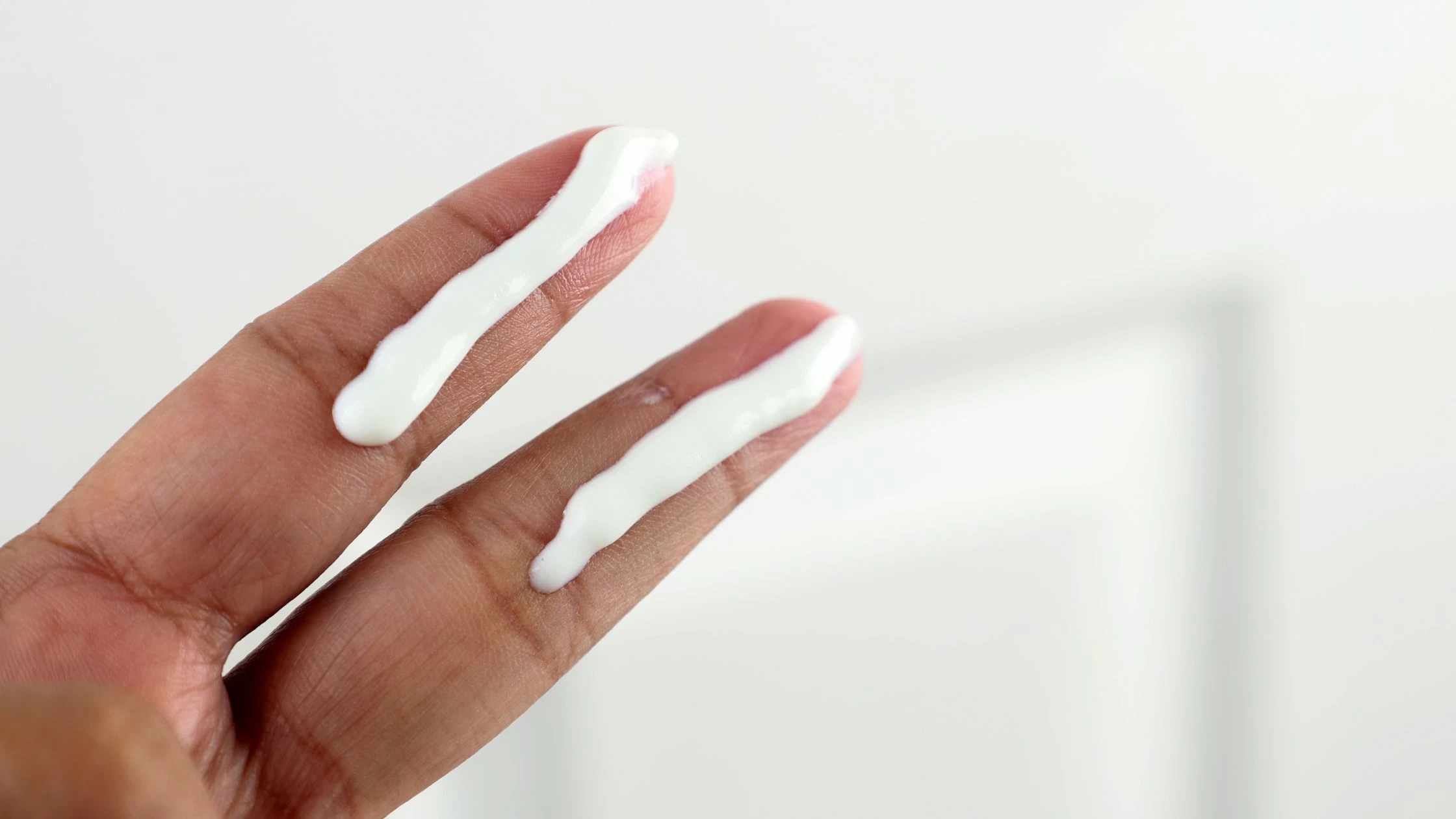
Most people apply only 25-50% of the recommended sunscreen amount, significantly reducing protection levels. The standard recommendation is one ounce for full body coverage, with a quarter teaspoon for face application. Chemical sunscreens require 15-30 minutes to become effective, while mineral formulations work immediately upon application.
Sunscreen effectiveness diminishes over time, requiring reapplication every two hours regardless of SPF level. Water activities, sweating, and toweling off necessitate more frequent reapplication. Expired sunscreens lose potency and may cause skin irritation, making regular replacement essential for continued protection.
Chemical sunscreens absorb UV rays and convert them to heat, while mineral sunscreens create a physical barrier that reflects UV radiation. Chemical formulations tend to be lighter and more cosmetically elegant, while mineral options are often better for sensitive skin and provide immediate protection upon application.
Apply approximately one-quarter teaspoon of sunscreen to your face and neck area. This amount ensures adequate coverage for the recommended protection level. Most people under-apply sunscreen, which significantly reduces the actual SPF protection received.
Yes, UV rays can penetrate windows and clouds, making daily sunscreen application important regardless of weather or location. UVA rays, which cause aging and skin damage, remain consistent throughout the day and can reach you through glass windows.
Replace sunscreen every 12 months or by the expiration date, whichever comes first. Heat exposure, like leaving sunscreen in a hot car, can degrade the active ingredients more quickly. If your sunscreen changes color, consistency, or smell, replace it immediately regardless of the expiration date.
While not harmful, body sunscreens are typically formulated for larger surface areas and may feel heavy or cause breakouts on facial skin. Face-specific sunscreens are designed for the delicate facial area and often include additional skincare benefits like moisturizing or anti-aging ingredients.
Selecting the right sunscreen types involves balancing your skin type, lifestyle needs, and personal preferences with proven sun protection principles. Chemical sunscreens offer lightweight, invisible coverage ideal for daily wear, while mineral formulations provide immediate protection perfect for sensitive skin types. Understanding SPF ratings, proper application techniques, and ingredient benefits ensures you maximize your sun protection investment while maintaining healthy, protected skin for years to come. Remember, the best sunscreen is the one you'll use consistently every day.
