


Essential Checklist: Preventing Oily Skin Sun Damage
Your Cart
0You May Also Like
If you have oily skin, you might think that extra sebum production gives you some natural protection against sun damage. This couldn't be further from the truth. Preventing oily skin sun damage requires just as much attention as any other skin type, and in some cases, even more strategic planning. The challenge lies in finding the right balance between adequate protection and avoiding products that make your skin greasier throughout the day.
Many people with oily complexions skip sunscreen entirely, fearing it will clog pores or create an uncomfortable, shiny appearance. However, UV exposure actually triggers your sebaceous glands to produce even more oil, creating a vicious cycle. This comprehensive checklist will guide you through every aspect of sun protection for oily skin, from choosing the right formulas to perfecting your application technique.
One of the biggest misconceptions about oily skin is that it ages slower and doesn't require the same level of sun protection oily skin needs. While it's true that natural oils can provide minimal protection, this amounts to roughly SPF 4 - nowhere near the SPF 30 minimum recommended by dermatologists. UV radiation penetrates through sebum just as easily as it does through dry skin.
What's particularly concerning is how sun exposure actually worsens oily skin conditions. When your skin detects UV damage, it responds by increasing sebum production as a protective mechanism. This means that skipping sunscreen doesn't just leave you vulnerable to premature aging and skin cancer - it actually makes your oily skin worse over time.
Research shows that UV damage affects sebaceous gland activity, leading to enlarged pores and increased blackhead formation. The oxidative stress from sun exposure also breaks down collagen faster, causing premature fine lines even in naturally oily skin. Additionally, post-inflammatory hyperpigmentation from acne becomes more pronounced and longer-lasting when skin is regularly exposed to UV radiation without protection.
Choosing the right oily skin sunscreen requires understanding which formulations work with your skin rather than against it. The key is finding products that provide broad-spectrum protection while actually helping to control excess oil production throughout the day. Modern sunscreen technology has evolved significantly, offering options specifically designed for oily and acne-prone complexions.
The best sunscreen for oily acne-prone skin typically features lightweight, non-comedogenic formulas that won't clog pores or trigger breakouts. Look for products that have been specifically tested on acne-prone skin and carry dermatologist recommendations.
Zinc oxide and titanium dioxide are excellent choices for oily skin because they provide physical barrier protection without penetrating pores. These mineral ingredients also have natural oil-absorbing properties that can help mattify your complexion throughout the day.
Niacinamide: Regulates sebum production and minimizes pore appearance
Hyaluronic acid: Provides lightweight hydration without greasiness
Silica: Absorbs excess oil and creates a matte finish
Salicylic acid: Prevents clogged pores while providing sun protection
Oil-free sunscreen oily skin formulas come in several textures, each offering unique benefits. Gel-based sunscreens provide the lightest feel and fastest absorption, making them ideal for very oily skin types. These water-based formulas dry to an almost invisible finish and work well under makeup.
Mineral sunscreens: Non-comedogenic and gentle on sensitive, acne-prone skin
Fluid textures: Lightweight application that doesn't feel heavy or sticky
Powder sunscreens: Perfect for midday touch-ups without disturbing makeup
Serum-like formulas: Blend seamlessly into skincare routines
Not all oily skin is created equal, which is why sunscreen for oily complexions comes in various specialized formulations. Some people need maximum oil control, while others prioritize lightweight feel or acne prevention. Understanding your specific needs helps narrow down the best options for your daily routine.
The market now offers targeted solutions for every oily skin concern, from mattifying formulas that double as primers to ultra-lightweight options that feel like you're wearing nothing at all.
Matte sunscreen oily skin formulas contain oil-absorbing technology that creates a smooth, shine-free base for makeup application. These products often include silica or other mattifying agents that continue working throughout the day to control excess sebum production.
Lightweight sunscreen oily skin products focus on fast absorption and invisible finish. Water-gel formulations are particularly effective, as they provide hydration without the heavy feel of traditional creams. These formulas typically contain high water content and minimal oils or emollients.
Non-comedogenic sunscreen oily skin products have been specifically tested to ensure they won't clog pores or trigger acne breakouts. Look for products that clearly state this testing on their packaging, as it indicates the formula has undergone rigorous evaluation for pore-clogging potential.
Knowing how to prevent oily skin from sunscreen becoming worse requires mastering the application technique. The way you apply sunscreen can make the difference between a comfortable, matte finish and a greasy, uncomfortable feeling that lasts all day. Proper technique also ensures you're getting the full SPF protection listed on the product.
The key is creating the right base for your sunscreen and applying it in thin, even layers rather than one thick application. This approach helps the product absorb properly and reduces the likelihood of a greasy appearance.
Start with a gentle, oil-balancing cleanser that removes excess sebum without over-drying your skin. Follow with an alcohol-free toner containing niacinamide or salicylic acid to help control oil production. Apply a lightweight, oil-free moisturizer if needed, but allow it to fully absorb before applying sunscreen.
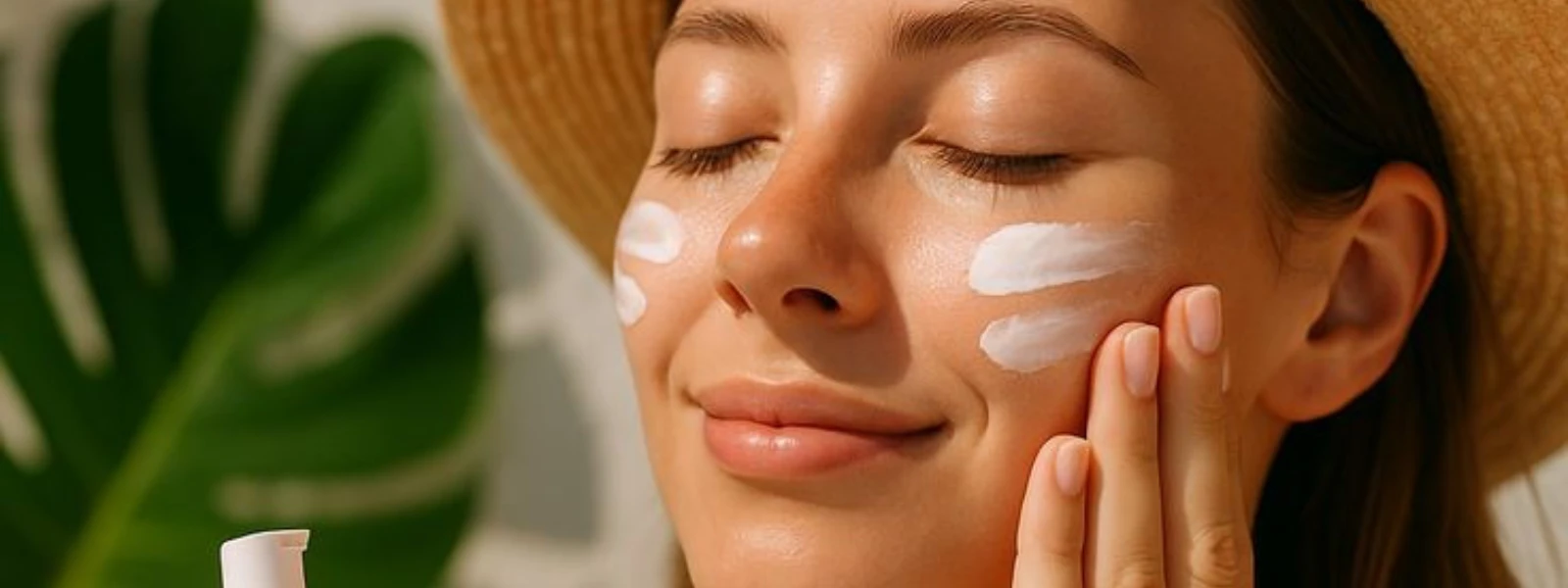
Use approximately ¼ teaspoon of sunscreen for your face and neck. Apply in small dots across your face, then blend outward using gentle patting motions rather than rubbing. This technique helps prevent the product from pilling or creating an uneven finish.
Blot excess oil with blotting papers before reapplying sunscreen. Use powder sunscreens for touch-ups over makeup, or apply liquid formulas with a makeup sponge for even distribution without disturbing your base makeup.
Many people unknowingly choose sunscreen that doesn't make oily skin worse but then use it incorrectly, negating the benefits. Understanding these common pitfalls helps you avoid the frustration of finding the right product only to have poor results due to application errors.
Over-cleansing after sunscreen application is one of the biggest mistakes. When your skin feels greasy from sunscreen, the natural response is to wash it off, but this strips your skin's natural barrier and triggers even more oil production.
Using too much product: More isn't better - excess sunscreen won't absorb properly
Mixing incompatible ingredients: Some skincare combinations can cause pilling or reduced effectiveness
Skipping cloudy day protection: UV rays penetrate clouds and cause damage year-round
Not adjusting for seasons: Your skin's needs change with humidity and temperature
Applying over dirty skin: Sunscreen needs clean skin to absorb and work effectively
Creating a comprehensive routine ensures consistent protection while managing oily skin concerns. This systematic approach helps you maintain healthy skin while preventing sun damage throughout the day. The key is establishing habits that work with your lifestyle and skin's natural rhythms.
Your morning routine sets the foundation for all-day protection, while evening care focuses on repair and preparation for the next day's sun exposure.
Gentle cleanser to remove overnight oil buildup
Oil-control toner with niacinamide or salicylic acid
Lightweight, oil-free moisturizer (if needed)
Broad-spectrum SPF 30+ sunscreen
Oil-absorbing primer if wearing makeup
Use blotting papers to remove excess oil before reapplying sunscreen. Powder sunscreens work well for touch-ups over makeup, while liquid formulas can be applied with a damp makeup sponge for seamless blending.
Double cleansing ensures complete sunscreen removal without over-stripping your skin. Start with an oil-based cleanser to break down sunscreen, followed by a gentle water-based cleanser to remove any remaining residue.
While some sunscreens provide light hydration, most oily skin types still benefit from a separate lightweight moisturizer. This creates a proper base for sunscreen application and helps maintain your skin's barrier function. Choose oil-free, non-comedogenic formulas that won't compete with your sunscreen.
Reapply every two hours, or immediately after sweating, swimming, or toweling off. For oily skin, blot excess oil first, then reapply using powder sunscreens for touch-ups or liquid formulas applied with a makeup sponge to avoid disturbing your base makeup.
Non-comedogenic, oil-free sunscreens specifically formulated for acne-prone skin should not worsen breakouts. In fact, protecting your skin from UV damage helps prevent post-inflammatory hyperpigmentation from acne. Look for formulas containing salicylic acid or niacinamide for added acne-fighting benefits.
Mineral sunscreens (zinc oxide, titanium dioxide) sit on top of skin and can provide oil-absorbing benefits, making them ideal for very oily skin. Chemical sunscreens absorb into skin and may feel lighter, but some formulations can increase oil production in sensitive individuals.
Protecting oily skin from sun damage doesn't have to mean sacrificing comfort or dealing with increased greasiness. The right combination of product selection, application technique, and daily routine creates effective protection while actually helping to control excess oil production. Remember that consistency is key - daily sunscreen use, even on cloudy days, provides the best long-term results for both sun protection and oil management.
Focus on finding formulas specifically designed for your skin type, master the application technique, and don't be afraid to experiment with different textures until you find what works best for your lifestyle. With the right approach, sun protection becomes an asset in managing oily skin rather than an additional burden.
