


Hormonal Acne Tips: A Step-by-Step Guide to Clearer Skin
Your Cart
0You May Also Like
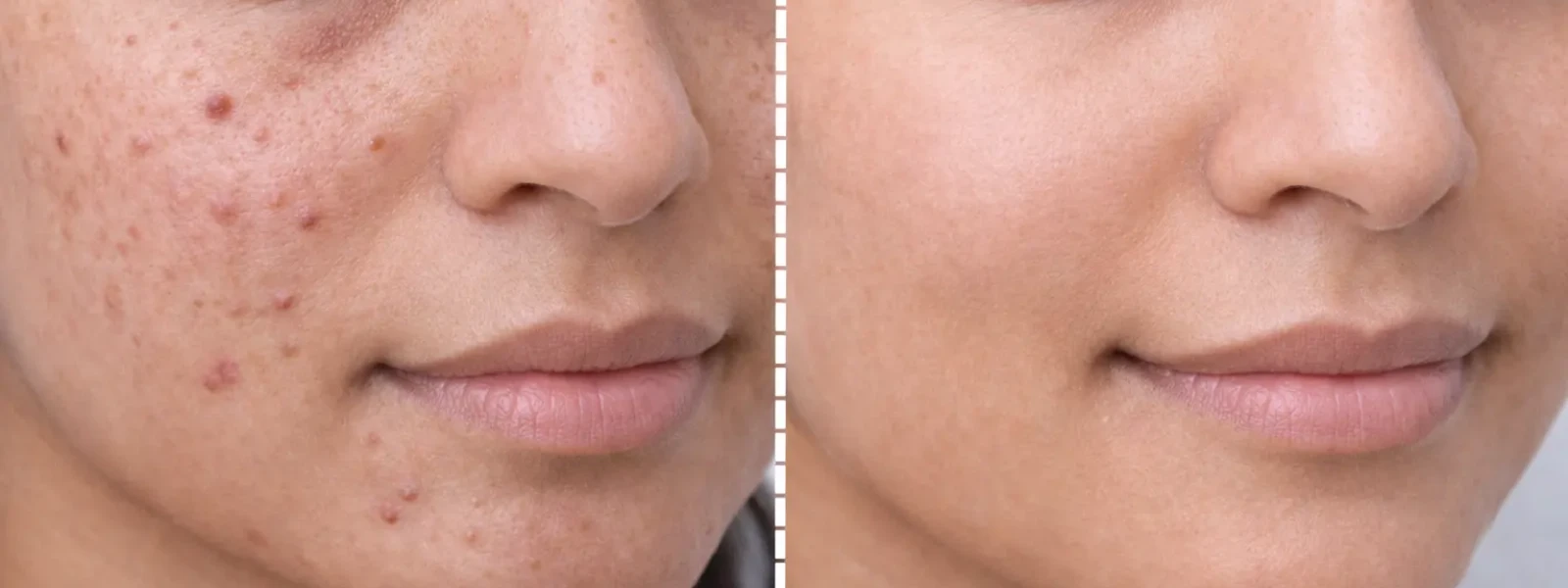
Hormonal acne affects millions of adults, especially women between 25-40, creating persistent breakouts that seem impossible to control. Unlike teenage acne, hormonal acne appears in specific patterns and requires targeted strategies that address the root cause rather than just surface symptoms. This comprehensive guide provides proven hormonal acne tips that combine professional treatments, skincare routines, and lifestyle changes to help you achieve clearer, healthier skin. Understanding how hormones trigger breakouts is the first step toward developing an effective treatment plan that works for your unique skin needs.
Recognizing hormonal acne causes is crucial for developing an effective treatment strategy. Unlike regular acne that affects teenagers randomly across the face, hormonal acne follows distinct patterns and timing that directly correlate with your body's hormone fluctuations. This type of acne typically appears along the jawline, chin, and lower cheeks, forming deep, painful cysts that can take weeks to heal completely.
Hormonal acne differs significantly from teenage acne in both appearance and behavior. While regular acne often presents as blackheads and whiteheads across the T-zone, hormonal acne manifests as deep, inflamed cysts primarily along the lower face. These breakouts tend to be more painful, take longer to heal, and often leave behind dark spots or scarring.
The primary culprits behind hormone imbalance acne include androgens like testosterone, which increase oil production in your skin. Insulin resistance can also trigger breakouts by elevating androgen levels, while elevated cortisol from chronic stress disrupts your skin's natural healing process. These hormonal fluctuations create the perfect environment for acne and hormones to wreak havoc on your complexion.
Hormonal acne follows predictable patterns that help distinguish it from other types of breakouts. Look for cystic lesions that appear 7-10 days before your menstrual cycle, concentrate along the jawline and chin, and feel deep and tender to touch. These breakouts often worsen during times of stress or major life changes.
Professional hormonal acne treatment offers the most effective solutions for persistent breakouts that don't respond to over-the-counter products. Dermatologists can prescribe targeted medications that address the hormonal root causes rather than just treating surface symptoms. These treatments often provide faster, more dramatic results than topical treatments alone.
Spironolactone blocks androgen receptors, reducing oil production and preventing new breakouts from forming. Oral contraceptives help regulate hormone fluctuations, while prescription retinoids like tretinoin accelerate cell turnover and prevent clogged pores. Many patients see significant improvement within 3-6 months of starting these treatments.
Consider professional help if your acne causes scarring, doesn't respond to over-the-counter treatments after 3 months, or significantly impacts your quality of life. Dermatologists can also help identify underlying conditions like PCOS that may be contributing to your breakouts.
An effective acne skincare routine forms the foundation of any successful hormonal acne treatment plan. The key is choosing gentle yet effective products that won't over-dry your skin while still targeting the bacteria and inflammation that contribute to breakouts. Consistency is more important than using harsh products that can actually worsen hormonal acne.
Choose a gentle, pH-balanced cleanser that removes excess oil without stripping your skin's natural barrier. Look for ingredients like salicylic acid or niacinamide that help prevent clogged pores while maintaining skin hydration. Avoid harsh scrubs or sulfates that can increase skin inflammation and worsen hormonal breakouts.
Salicylic acid penetrates deep into pores to remove dead skin cells and excess oil, making it ideal for preventing new breakouts. Benzoyl peroxide kills acne-causing bacteria but should be used carefully to avoid over-drying. Niacinamide reduces inflammation and helps regulate oil production without irritation, making it perfect for sensitive, acne-prone skin.
Your morning routine should focus on protection with a gentle cleanser, lightweight moisturizer, and broad-spectrum sunscreen. Evening routines can include active ingredients like retinoids or acids, followed by a more nourishing moisturizer to support overnight skin repair.
A clear skin diet plays a crucial role in managing hormonal acne by reducing inflammation and supporting hormone balance. What you eat directly affects your insulin levels, which in turn influences androgen production and oil secretion in your skin. Making strategic dietary changes can significantly improve your skin's appearance within 6-8 weeks.
High-glycemic foods like white bread, sugary snacks, and processed foods cause insulin spikes that increase androgen production. Dairy products contain hormones that can disrupt your body's natural hormone balance, potentially worsening acne in sensitive individuals.
Focus on anti-inflammatory foods rich in omega-3 fatty acids, antioxidants, and fiber. Include plenty of leafy greens, fatty fish, nuts, and colorful vegetables in your daily meals. These foods help stabilize blood sugar and provide nutrients that support healthy skin function.
Chronic stress elevates cortisol levels, which can worsen hormonal acne by increasing oil production and inflammation. Practice stress-reduction techniques like meditation, yoga, or regular exercise to help keep cortisol levels in check and support clearer skin.
Adult acne solutions don't always require prescription medications, especially for mild to moderate cases. Natural remedies can complement professional treatments or serve as first-line therapy for those preferring gentler approaches. However, it's important to have realistic expectations about timelines and effectiveness compared to medical treatments.
Tea tree oil has antimicrobial properties that can help reduce acne-causing bacteria when used in proper concentrations. Green tea contains antioxidants that reduce inflammation, while zinc supplements can help regulate oil production and support skin healing.
Spearmint tea has anti-androgen effects that may help reduce hormonal acne in women. Omega-3 supplements reduce inflammation throughout the body, while probiotics support gut health, which is increasingly linked to skin health and hormone balance.
Keep a skin diary to identify patterns between your breakouts and potential triggers like stress, diet, or menstrual cycle. Take weekly photos to track progress objectively, as improvements in hormonal acne can be gradual and easy to miss day-to-day.
Creating a structured approach to treating hormonal acne helps ensure you're addressing all contributing factors systematically. This 30-day action plan provides a roadmap for implementing the most effective strategies while avoiding common mistakes that can set back your progress. Remember that hormonal acne treatment requires patience, as significant improvements typically take 6-12 weeks to become visible.
Week 1-2: Establish a gentle skincare routine with a mild cleanser and moisturizer. Week 3-4: Introduce one active ingredient like salicylic acid or niacinamide. Continue this gradual approach to avoid overwhelming your skin while building effective habits.
For painful cystic acne remedies, apply ice wrapped in a clean cloth for 5-10 minutes to reduce inflammation. Follow with a targeted spot treatment containing benzoyl peroxide or salicylic acid, but avoid picking or squeezing, which can worsen inflammation and lead to scarring.
Most people see initial improvements in 6-8 weeks, with significant results appearing after 3-4 months of consistent treatment. Hormonal acne often gets worse before it gets better, especially when starting new treatments, so patience and consistency are essential for success.
Hormonal acne typically takes 6-12 weeks to show significant improvement with consistent treatment. Professional treatments like prescription medications may work faster than over-the-counter options, but patience is essential as hormonal changes take time to stabilize.
Zinc, omega-3 fatty acids, and spearmint tea have shown promise in reducing hormonal acne. Probiotics may also help by supporting gut health, which is connected to hormone balance and skin health.
Hormonal acne is typically managed rather than cured, as it's related to natural hormone fluctuations throughout life. However, with proper treatment and lifestyle changes, many people achieve long-term clear skin and prevent future breakouts.
Stress, high-glycemic foods, dairy products, and harsh skincare products can worsen hormonal acne. Lack of sleep and certain medications can also trigger breakouts by affecting hormone levels.
Some people benefit from adjusting their routine based on their cycle, using gentler products during the week before menstruation when skin is more sensitive. However, maintaining consistency is generally more important than frequent product changes.
Successfully managing hormonal acne requires a comprehensive approach that addresses both internal and external factors. The most effective strategies combine professional treatments when needed, consistent skincare routines with appropriate active ingredients, and lifestyle modifications that support hormone balance. Remember that improvement takes time, typically 6-12 weeks for significant results, and consistency is more important than perfection. By understanding your unique triggers and working with healthcare professionals when necessary, you can develop a personalized plan that leads to clearer, healthier skin. Focus on gentle, evidence-based treatments rather than harsh products that promise quick fixes, as sustainable results come from supporting your skin's natural healing processes while addressing the hormonal root causes of your breakouts.
