


Essential Checklist for Oily Pores: Reduce Shine & Clogged Pores
Your Cart
0You May Also Like
Dealing with oily pores can feel like an endless battle against shine and clogged skin. If you're tired of looking in the mirror and seeing enlarged pores filled with excess oil, you're not alone. Many people struggle with sebum control for face and wonder how to achieve that balanced, healthy glow without the constant greasiness. The good news is that with the right approach and consistent care, you can significantly improve your skin's appearance. This comprehensive checklist will guide you through proven strategies to manage oily pores, reduce shine, and achieve the clear skin you've been dreaming of.
Your skin produces oil through tiny structures called sebaceous glands, which are connected to your hair follicles. When these glands work overtime, they create the perfect storm for oily pores and enlarged appearance. Several factors contribute to this overproduction, including genetics, hormonal fluctuations, and environmental conditions like humidity and pollution.
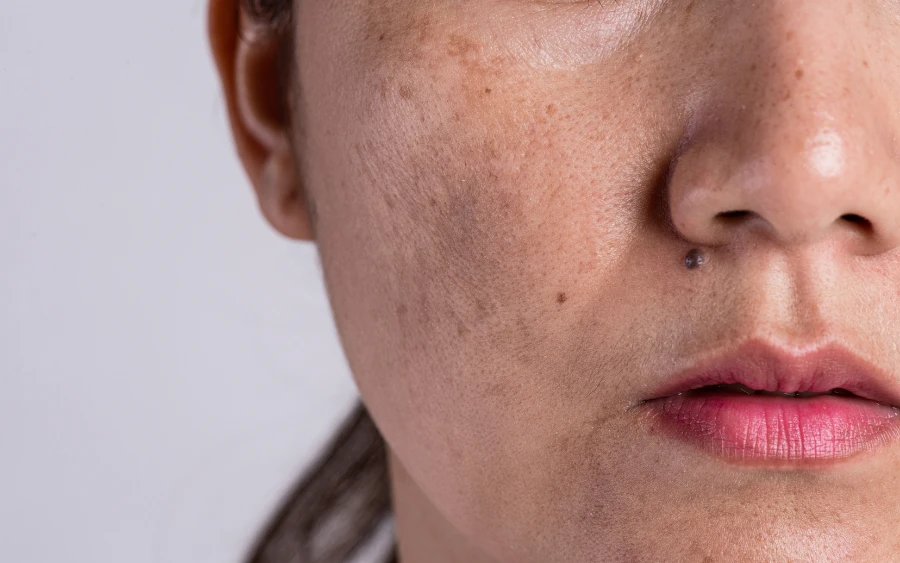
The connection between oily skin and acne formation is particularly important to understand. When excess sebum mixes with dead skin cells, it creates a plug that blocks your pores. This environment becomes a breeding ground for bacteria, leading to breakouts and inflammation. Tips for oily pores management start with recognizing that larger-looking pores aren't actually bigger – they just appear that way when filled with oil and debris.
Androgens, particularly during puberty, menstruation, and times of stress, can trigger increased sebum production. This explains why many people notice their skin becomes oilier during certain life phases or monthly cycles.
Hot, humid weather can stimulate oil glands, while pollution and dust can clog pores further. Understanding these triggers helps you adapt your skincare routine accordingly.
Creating an effective daily routine is the foundation of best skincare for oily skin. Your morning and evening routines should work together to control shine on face while maintaining your skin's natural barrier. The key is consistency and using products that address oil production without over-drying your skin.
A well-structured routine helps regulate sebum production throughout the day and prevents the rebound effect that happens when skin becomes too dry and compensates by producing more oil.
Start with a gentle foaming cleanser that removes overnight oil buildup without stripping your skin. Look for ingredients like salicylic acid or niacinamide that help regulate oil production from the start of your day.
Double cleansing in the evening ensures thorough removal of sunscreen, makeup, and accumulated oil. Follow with treatments that work overnight to refine pores and control sebum production.
Always choose non-comedogenic, oil-free formulations. Your moisturizer should be lightweight but hydrating, and your sunscreen should offer broad-spectrum protection without adding extra shine.
When it comes to how to minimize pores and achieve effective large pores treatment, both topical treatments and professional procedures can make a significant difference. The most effective approach combines consistent at-home care with occasional professional treatments for optimal results.
Understanding which pore refining products work best for your skin type helps you make informed decisions about your skincare investments. Some ingredients show remarkable results in clinical studies for pore appearance and oil control.
Salicylic acid penetrates deep into pores to dissolve oil and dead skin cells, making it excellent for unclogging and preventing future blockages. Use 1-2% concentrations for daily maintenance.
Retinoids increase cell turnover and help normalize oil production. Start with lower concentrations and gradually increase to avoid irritation while achieving long-term pore refinement.
This form of vitamin B3 can reduce sebum production by up to 30% when used consistently. It also helps minimize the appearance of enlarged pores and improves skin texture.
Many effective oily skin remedies can be found in your kitchen or local health store. These natural approaches work well as complementary treatments to your regular skincare routine. However, it's important to patch test any new ingredient and understand that natural doesn't always mean gentle.
Clay masks remain one of the most effective natural treatments for absorbing excess oil and temporarily tightening the appearance of pores. Different types of clay offer varying benefits for oily skin concerns.
Bentonite clay has excellent oil-absorbing properties and can draw impurities from deep within pores. Use once or twice weekly to avoid over-drying your skin.
Raw honey has antibacterial properties and can help reduce inflammation while gently removing excess oil. Apply as a mask for 10-15 minutes before rinsing with warm water.
Rich in antioxidants, green tea can help reduce inflammation and regulate oil production. Use cooled green tea as a toner or incorporate green tea extract products into your routine.
Managing acne prone oily skin extends beyond topical treatments to include dietary and lifestyle modifications. What you eat, how much you sleep, and how you manage stress all impact your skin's oil production and overall health.
Simple daily habits can make a significant difference in controlling shine and preventing clogged pores. These changes work synergistically with your skincare routine to provide comprehensive oil control.
Reduce dairy and high-glycemic foods, which may trigger increased oil production. Focus on anti-inflammatory foods like leafy greens, fatty fish, and antioxidant-rich fruits.
Use blotting papers instead of washing your face multiple times daily. Avoid touching your face throughout the day, as this transfers bacteria and stimulates oil production.
Chronic stress increases cortisol levels, which can trigger excess oil production. Incorporate stress-reduction techniques like meditation, exercise, or adequate sleep into your routine.
Finding effective clogged pores solutions requires understanding which ingredients and formulations work best for your specific skin concerns. Not all products marketed for oily skin are created equal, and some may actually worsen your condition.
Learning to read ingredient lists and understand product formulations empowers you to make better choices and avoid common mistakes that can sabotage your progress.
Look for non-comedogenic labels, which indicate products won't clog pores. Ingredients like zinc oxide, sulfur, and tea tree oil offer natural oil control without harsh side effects.
Heavy oils like coconut oil and cocoa butter can clog pores in oily skin types. Avoid products with denatured alcohol, which can trigger rebound oil production.
Choose cleansers with a pH between 4.5-6.5 to maintain your skin's natural acid mantle. This helps regulate oil production and prevents bacterial overgrowth.
You can't completely stop oil production, but you can regulate it through consistent skincare with ingredients like niacinamide, salicylic acid, and retinoids. Maintaining proper hydration and avoiding over-cleansing also helps balance sebum production.
Large pores are often genetic and appear more prominent when filled with oil and debris. Clogged pores contain trapped sebum, dead skin cells, and bacteria. Both can be improved with proper skincare, but clogged pores respond more quickly to treatment.
Most people notice initial improvements in shine control within 2-4 weeks of consistent treatment. Pore appearance improvements typically take 6-12 weeks, while significant changes in oil production may require 3-6 months of dedicated care.
While natural remedies can be helpful supplements to your routine, they typically aren't as potent or consistent as clinically formulated products. The best approach combines both natural and commercial treatments for optimal results.
Yes, even oily skin needs hydration. Skipping moisturizer can trigger your skin to produce more oil to compensate for dryness. Choose lightweight, oil-free, non-comedogenic moisturizers designed for oily skin types.
Managing oily pores successfully requires a comprehensive approach that combines proper skincare, lifestyle modifications, and realistic expectations. Remember that consistency is more important than perfection – small, daily actions compound over time to create significant improvements in your skin's appearance and health.
The most effective strategy involves understanding your skin's unique needs, choosing appropriate products with proven ingredients, and maintaining a routine that balances oil control with proper hydration. While you may not achieve completely oil-free skin, you can definitely achieve healthy, balanced skin that looks and feels confident. Start with the basics, be patient with the process, and don't hesitate to consult a dermatologist if you need additional support in your journey toward clearer, more balanced skin.
