


11 Ways to Tackle Hormonal Acne Explained
Your Cart
0You May Also Like
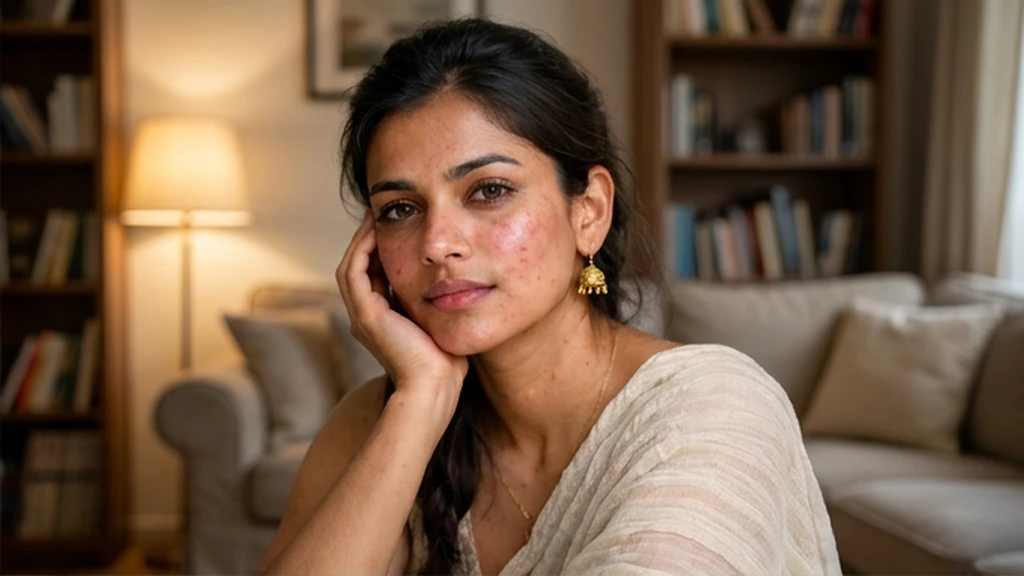
Did you know that 85% of women experience hormonal acne at some point in their adult lives? If you're dealing with stubborn breakouts that seem to appear out of nowhere, especially around your chin and jawline, you're not alone. Understanding hormonal acne explained is the first step toward achieving the clear, healthy skin you deserve. Unlike teenage acne, adult hormonal breakouts require a different approach—one that addresses the root causes rather than just treating surface symptoms. Today, we'll explore 11 proven methods that can help you tackle hormonal acne effectively, giving you the tools to build a skincare routine that actually works for your unique skin needs.
Before diving into solutions, it's crucial to understand what sets hormonal acne apart from other types of breakouts. Hormonal acne causes stem from internal fluctuations in your body's hormone levels, particularly androgens like testosterone and DHT (dihydrotestosterone). These hormones stimulate your sebaceous glands to produce excess oil, which can clog pores and create the perfect environment for acne-causing bacteria to thrive.
Recognizing hormonal acne on chin and hormonal acne on jawline areas is often the first clue you're dealing with hormone-related breakouts. These deep, painful cysts typically appear in the lower third of your face, forming what dermatologists call the "U-zone." Unlike surface-level whiteheads, hormonal breakouts tend to be deeper, more inflamed, and resistant to typical over-the-counter treatments.
Several factors contribute to adult acne causes, making it a complex condition that requires a multi-faceted approach. Stress plays a significant role by triggering cortisol release, which can worsen inflammation and disrupt your skin's natural healing process. Additionally, lifestyle factors like diet, sleep patterns, and skincare choices can either support or sabotage your efforts to achieve clear skin.
For many women, hormonal fluctuations during their menstrual cycle create predictable breakout patterns. Estrogen and progesterone levels shift throughout the month, with the week before menstruation often bringing the most challenging skin days. Understanding this pattern can help you adjust your skincare routine accordingly.
Now that we understand the foundation, let's explore the most effective strategies for managing hormonal breakouts. These methods range from immediate solutions to long-term lifestyle changes that support overall skin health.
Creating an effective hormonal acne skincare routine starts with gentle cleansing and targeted treatments. Begin with a salicylic acid cleanser in the morning to remove excess oil without over-drying your skin. Follow with a lightweight, non-comedogenic moisturizer and broad-spectrum sunscreen to protect against UV damage that can worsen acne scars.
Not all hormonal acne products are created equal. Look for ingredients like niacinamide, which helps regulate oil production, and gentle retinoids that promote cell turnover without excessive irritation. Avoid harsh scrubs or alcohol-based toners that can strip your skin's protective barrier and trigger more oil production.
When dealing with cystic acne hormonal breakouts, patience and gentle treatment are key. These deep, painful bumps require time to heal and respond better to anti-inflammatory ingredients than aggressive drying agents. Consider incorporating spot treatments with benzoyl peroxide or tea tree oil for targeted relief.
Your hormonal acne diet plays a crucial role in managing breakouts from the inside out. Focus on anti-inflammatory foods rich in omega-3 fatty acids, antioxidants, and fiber. Reduce consumption of high-glycemic foods and dairy products, which can trigger insulin spikes and worsen hormonal imbalances.
Chronic stress elevates cortisol levels, which can worsen hormonal acne by increasing inflammation and oil production. Incorporate stress-reduction techniques like meditation, yoga, or regular exercise into your daily routine. Even 10 minutes of deep breathing can help regulate your body's stress response.
Poor sleep disrupts hormone regulation and impairs your skin's ability to repair itself overnight. Aim for 7-9 hours of quality sleep each night, and establish a consistent bedtime routine. Consider using a silk pillowcase to reduce friction and bacteria transfer to your skin.
Several hormonal acne remedies from nature can support your skincare efforts. Spearmint tea has been shown to reduce androgen levels when consumed regularly. Green tea, both consumed and applied topically, provides anti-inflammatory benefits that can calm irritated skin.
For persistent cases, professional hormonal acne treatment options may be necessary. Dermatologists can prescribe oral medications like spironolactone to block androgen receptors or recommend hormonal birth control to regulate hormone levels. These treatments require medical supervision but can be highly effective.
The gut-skin connection is real, and supporting digestive health can improve hormonal acne. Include probiotic-rich foods like yogurt, kefir, and fermented vegetables in your diet. A healthy gut microbiome helps regulate inflammation and supports overall hormone balance.
Consistency is crucial when treating hormonal acne. It typically takes 6-12 weeks to see significant improvement, so resist the urge to constantly switch products. Keep a skin diary to track your progress and identify patterns related to your cycle, stress levels, or dietary changes.
If your hormonal acne is severe, causing scarring, or significantly impacting your quality of life, don't hesitate to consult a dermatologist. Professional guidance can help you develop a comprehensive treatment plan and rule out underlying conditions like PCOS that may be contributing to your breakouts.
The primary cause of hormonal acne is fluctuating hormone levels, particularly androgens like testosterone and DHT. These hormones stimulate sebaceous glands to produce excess oil, leading to clogged pores and bacterial growth. Factors like menstrual cycles, stress, PCOS, and certain medications can trigger these hormonal fluctuations.
Most people begin to see improvement in their hormonal acne within 6-12 weeks of starting a consistent treatment routine. However, significant results may take 3-6 months, especially for deeper cystic breakouts. Patience and consistency are essential for long-term success.
Yes, diet can significantly impact hormonal acne. High-glycemic foods and dairy products can trigger insulin spikes and inflammation, worsening breakouts. Anti-inflammatory foods rich in omega-3s, antioxidants, and fiber can help support clearer skin by reducing inflammation and supporting hormone balance.
No, hormonal acne commonly affects adults, particularly women in their 20s, 30s, and 40s. Adult hormonal acne often appears for the first time in adulthood or persists from teenage years. Factors like stress, hormonal changes, and lifestyle factors contribute to adult breakouts.
Avoid harsh ingredients like alcohol-based toners, aggressive scrubs, and comedogenic oils that can clog pores. Also, be cautious with products containing sulfates, artificial fragrances, and excessive amounts of drying agents like benzoyl peroxide, which can disrupt your skin barrier and trigger more oil production.
Managing hormonal acne requires a comprehensive approach that addresses both internal and external factors. By understanding the root causes and implementing these 11 proven strategies, you can develop an effective plan for clearer, healthier skin. Remember that hormonal acne is a common condition that affects millions of people, and with the right approach, significant improvement is possible. Start with gentle, consistent skincare practices and gradually incorporate lifestyle changes that support overall hormone balance. Most importantly, be patient with yourself and your skin—lasting results take time, but they're absolutely achievable with dedication and the right strategy.
