


Uneven Skin Tone on Body for Indian Skin: FAQ
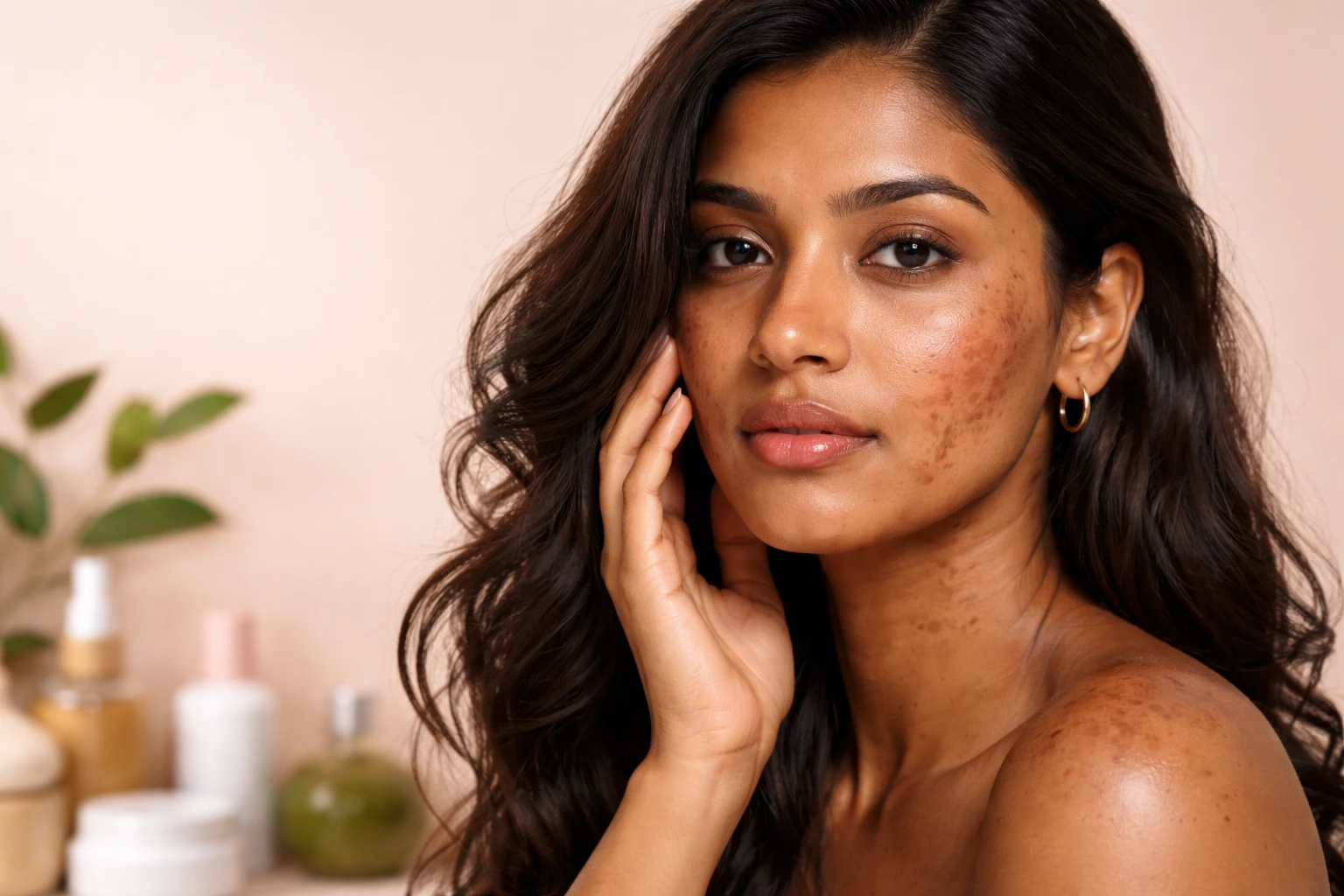
Uneven skin tone on the body affects millions of people with Indian skin, creating patches of darkness and discoloration that can impact confidence. From stubborn dark spots that refuse to fade to post-acne marks that linger for months, body pigmentation issues are more common than you might think. Indian skin, with its higher melanin content, is particularly prone to developing hyperpigmentation from various triggers including sun exposure, friction, hormonal changes, and inflammation. Understanding the root causes and effective solutions can help you achieve the even, radiant skin tone you desire across your entire body.
Indian skin contains more melanin than lighter skin tones, which provides natural protection against UV damage but also makes it more susceptible to developing dark spots and uneven pigmentation. When skin cells are damaged or inflamed, they can produce excess melanin as a protective response, leading to visible darkening.
Several factors contribute to uneven skin tone on the body. Sun exposure remains the primary culprit, causing sun spots on body Indian skin that appear as brown or black patches on frequently exposed areas like arms, shoulders, and chest. Friction from tight clothing, especially in areas like underarms, inner thighs, and waistline, can cause acanthosis nigricans - a condition that creates dark, velvety patches.
When body acne, eczema, or other skin conditions heal, they often leave behind dark marks known as post-inflammatory hyperpigmentation body Indian skin. These marks can persist for months or even years without proper treatment, making prevention and early intervention crucial.
Dermatologists offer several effective treatments for severe cases of body pigmentation. These professional interventions can provide faster and more dramatic results than home treatments alone.
Chemical peels using glycolic acid, lactic acid, or TCA can effectively remove the top layers of pigmented skin. These treatments are particularly effective for treating large areas of uneven pigmentation and can show results within 2-4 sessions.
Advanced laser treatments like Q-switched lasers can target specific pigmented areas without damaging surrounding skin. These treatments work by breaking down melanin deposits, allowing the body to naturally eliminate the pigmentation over time.
While professional treatments offer quick results, consistent home care forms the foundation of any successful pigmentation treatment plan. The right combination of active ingredients and natural remedies can significantly improve skin tone over time.
Kojic acid, derived from rice fermentation, effectively inhibits melanin production and can lighten existing dark spots. Vitamin C acts as a powerful antioxidant while promoting collagen production and skin brightening. Niacinamide reduces inflammation and helps regulate melanin transfer, making it excellent for preventing new pigmentation.
Traditional ingredients like turmeric contain curcumin, which has anti-inflammatory and skin-brightening properties. Gram flour (besan) acts as a gentle exfoliant while milk contains lactic acid that helps remove dead skin cells and promote cell turnover.
Consistency is key when addressing uneven skin tone on body solutions for indian skin. A well-structured daily routine can prevent new pigmentation while gradually improving existing discoloration.
Start with a gentle cleanser to remove overnight buildup, followed by a vitamin C serum to protect against environmental damage. Always finish with broad-spectrum SPF 30 or higher sunscreen on all exposed areas, reapplying every two hours during sun exposure.
Evening is the ideal time for active treatments since many ingredients can increase photosensitivity. Use exfoliating acids 2-3 times per week, followed by targeted treatments for specific areas of concern.
Preventing pigmentation is often easier than treating existing dark spots. Understanding your triggers and implementing protective measures can save months of treatment time.
While sunscreen is essential, additional protection through clothing, seeking shade during peak hours (10 AM to 4 PM), and using umbrellas can significantly reduce UV exposure. Dark, tightly woven fabrics offer better protection than light, loose weaves.
Hormonal fluctuations during pregnancy, menstruation, or due to certain medications can trigger melasma on body Indian skin. Managing stress through yoga, meditation, or regular exercise can help maintain hormonal balance and reduce inflammation-related pigmentation.
Most people notice initial improvements within 4-6 weeks of consistent treatment. Significant changes typically appear after 3-4 months, while optimal results may take 6-12 months depending on the severity of pigmentation and treatment consistency. Patience and persistence are crucial for success.
While many face products can be used on the body, body skin is generally thicker and less sensitive, allowing for stronger concentrations of active ingredients. However, always patch test first and consider that body products are typically more cost-effective for larger areas.
Natural remedies can be helpful as supportive treatments but may not be sufficient alone for significant pigmentation. Combining natural ingredients like turmeric and honey with proven actives like vitamin C and retinoids typically provides better results than using either approach alone.
Melasma typically appears as symmetrical patches on both sides of the body and is often triggered by hormonal changes. Regular dark spots are usually irregular in shape and caused by sun damage, acne, or other inflammation. Melasma requires specialized treatment approaches.
Avoid picking or squeezing acne, treat breakouts promptly with appropriate medications, use anti-inflammatory ingredients like niacinamide, and apply sunscreen religiously to prevent darkening of healing spots. Early intervention is key to preventing permanent scarring.
Hydroquinone can be effective for body pigmentation but should be used under dermatological guidance. Start with lower concentrations (2%), use for limited periods, and always combine with sunscreen. Discontinue if irritation occurs and consider alternatives like kojic acid or arbutin.
Achieving even skin tone on the body requires a comprehensive approach combining prevention, treatment, and patience. Indian skin's unique characteristics mean that gentle, consistent care often works better than aggressive treatments that can cause further inflammation and pigmentation. Remember that results take time - typically 3-6 months for noticeable improvement - so consistency with your chosen routine is essential. Whether you choose professional treatments, home remedies, or a combination of both, protecting your skin from further damage with daily sunscreen use remains the most important step in maintaining your results long-term.
