


How to Reduce Body Pigment: Fade Dark Spots & Uneven Tone
Your Cart
0You May Also Like
Dark spots, uneven skin tone, and stubborn pigmentation can affect your confidence and make you feel self-conscious about your body. Whether it's post-acne marks on your back, dark underarms, or sun damage on your arms, body pigmentation is a common concern that affects millions of people. The good news? You can effectively reduce these dark spots and achieve a more even skin tone with the right approach. Understanding what causes pigmentation and implementing proven treatment methods can help you fade those unwanted marks and prevent new ones from forming. Let's explore the complete guide to reducing body pigment and restoring your skin's natural radiance.
Body pigmentation occurs when your skin produces excess melanin, the pigment responsible for your skin color. This hyperpigmentation can appear as dark spots, patches, or an overall uneven skin tone across different areas of your body. Understanding the root causes helps you choose the most effective treatment approach.
Melanin production is your skin's natural defense mechanism against UV damage. When certain areas produce more melanin than others, it creates visible dark spots or patches. This process can be triggered by inflammation, hormonal changes, or repeated friction on the skin.
Several factors contribute to skin discoloration causes on your body:
UV damage: Sun exposure without protection leads to age spots and sun damage
Post-inflammatory hyperpigmentation: Dark marks left behind after acne, cuts, or skin irritation
Hormonal changes: Pregnancy, birth control, or hormonal imbalances can trigger melasma
Friction: Tight clothing or repeated rubbing can cause darkening in areas like underarms and inner thighs
Genetic factors: Some people are naturally more prone to developing pigmentation
Body pigmentation typically appears in specific areas like the back, chest, underarms, elbows, knees, and intimate areas. Some people experience localized dark spots, while others deal with widespread uneven skin tone across larger body areas.
Before diving into treatments, preventing further pigmentation is crucial. Sun protection for skin forms the foundation of any successful pigmentation reduction routine. Without proper protection, even the best treatments won't deliver lasting results.
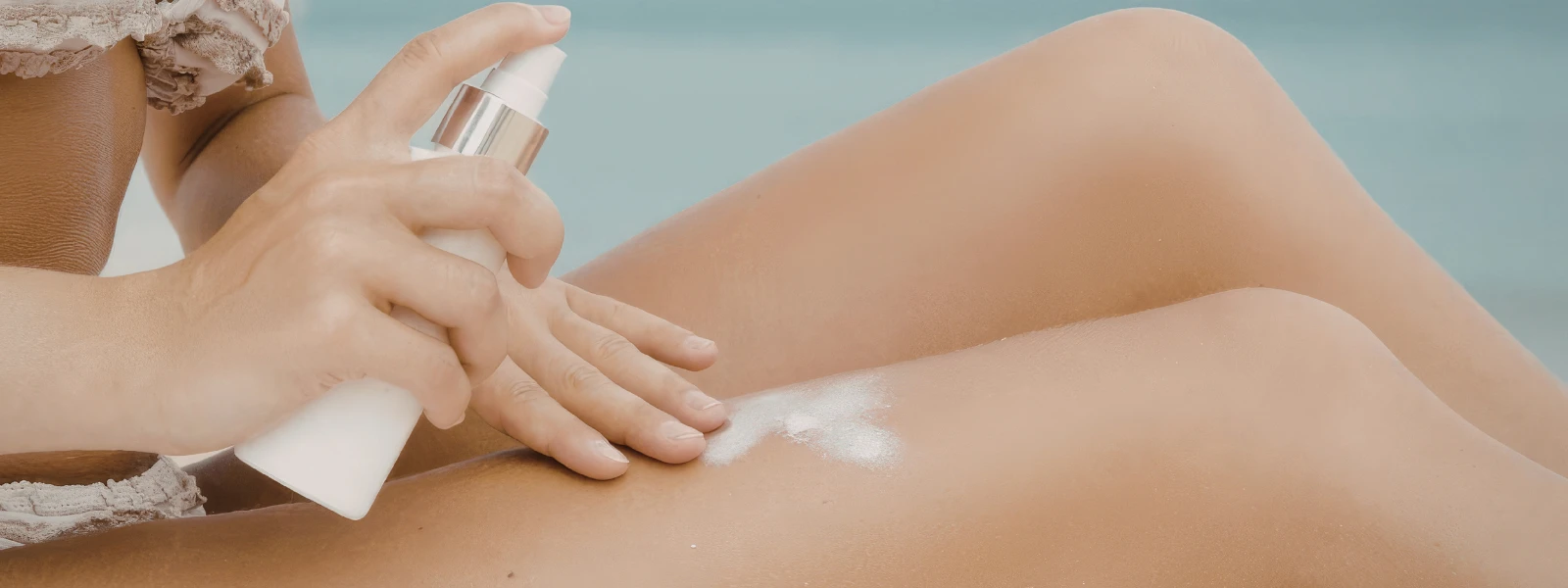
Apply sunscreen with at least SPF 30 to all exposed body areas, not just your face. Reapply every two hours, especially if you're sweating or swimming. Many people forget areas like the back of their hands, ears, and feet – these spots are particularly prone to sun damage.
Combine sunscreen with protective clothing, wide-brimmed hats, and seeking shade during peak UV hours (10 AM to 4 PM). This multi-layered approach significantly reduces your risk of developing new pigmentation while existing spots heal.
Effective hyperpigmentation treatment relies on scientifically proven ingredients that target melanin production and accelerate skin cell turnover. These active ingredients work by either inhibiting melanin production or helping fade existing dark spots through gentle exfoliation.
Vitamin C for skin brightening works as a powerful antioxidant that inhibits melanin production while protecting against free radical damage. Look for stable forms like magnesium ascorbyl phosphate or sodium ascorbyl phosphate for body use, as they're less likely to cause irritation than L-ascorbic acid.
Exfoliation for hyperpigmentation helps remove dead skin cells and encourages new, evenly pigmented skin to surface. Alpha hydroxy acids (AHAs) like glycolic acid work well for general pigmentation, while beta hydroxy acids (BHAs) like salicylic acid are excellent for acne-related dark spots on the body.
Other effective ingredients include:
Niacinamide: Reduces melanin transfer and improves skin texture
Kojic acid: Naturally derived ingredient that inhibits melanin production
Arbutin: Gentle alternative to hydroquinone for melanin reduction
Retinoids: Accelerate cell turnover for faster results
While professional treatments offer faster results, natural remedies for pigmentation can complement your routine and provide gentle support for your skin's healing process. These options work more slowly but are generally well-tolerated by sensitive skin.
Licorice extract contains glabridin, which helps inhibit melanin production naturally. Green tea extract provides antioxidant protection, while aloe vera soothes inflammation and supports healing after breakouts or irritation.
Supporting your skin from within helps the fade dark spots process. Include vitamin C-rich foods like citrus fruits, tomatoes rich in lycopene, and papaya containing natural enzymes that support skin renewal.
Avoid harsh DIY remedies like lemon juice or baking soda, which can cause irritation and worsen pigmentation. Stick to gentle, proven natural ingredients and always patch test before applying to larger areas.
Consistency is key when implementing skin brightening methods. A well-structured routine ensures you're addressing pigmentation while maintaining healthy skin barrier function. Start slowly and gradually introduce new products to avoid irritation.
Begin with a gentle cleanser, apply vitamin C serum to affected areas, follow with moisturizer, and finish with broad-spectrum sunscreen. This sequence protects your skin throughout the day while supporting the healing process.
Evenings are ideal for stronger treatments. Use exfoliating acids 2-3 times per week, alternating with nourishing treatments. Always follow with a hydrating moisturizer to support skin barrier repair overnight.
Incorporate gentle body exfoliation once or twice weekly to enhance product absorption. Take progress photos monthly to track improvements, as changes in pigmentation happen gradually over time.
Understanding realistic timelines helps maintain motivation during your pigmentation reduction journey. Most people see initial improvements within 4-6 weeks, with significant results appearing after 3-6 months of consistent treatment.
Surface-level pigmentation typically responds faster than deeper, older spots. Post-inflammatory hyperpigmentation may fade within 2-3 months, while sun damage and melasma often require 6-12 months of consistent treatment.
Take photos in consistent lighting conditions monthly to track changes. Look for gradual lightening of dark spots, improved skin texture, and more even overall tone rather than expecting dramatic overnight changes.
Most people notice initial improvements within 4-6 weeks of consistent treatment. Significant results typically appear after 3-6 months, depending on the type and depth of pigmentation.
While you can significantly fade existing dark spots, melanin reduction isn't necessarily permanent. Continued sun protection and maintenance treatments help prevent new pigmentation from forming.
Foods rich in vitamin C (citrus fruits, berries), vitamin E (nuts, seeds), and antioxidants (green tea, tomatoes) support skin health and may help regulate melanin production naturally.
Natural remedies can be helpful as complementary treatments, but they typically work more slowly than clinical-strength ingredients. Combining both approaches often yields the best results.
Consult a dermatologist if you notice sudden changes in existing spots, new growths, or if over-the-counter treatments haven't shown improvement after 3-4 months of consistent use.
Reducing body pigmentation requires patience, consistency, and the right combination of prevention and treatment. Start with sun protection as your foundation, then gradually introduce proven active ingredients like vitamin C, exfoliating acids, and niacinamide. Remember that natural remedies can complement your routine, but clinical-strength ingredients typically deliver faster results. Most importantly, maintain realistic expectations – significant improvements take 3-6 months of dedicated care. With the right approach and consistent effort, you can achieve the even, radiant skin tone you desire while preventing future pigmentation from forming.
