


Uneven Skin Discoloration: Your Complete Guide
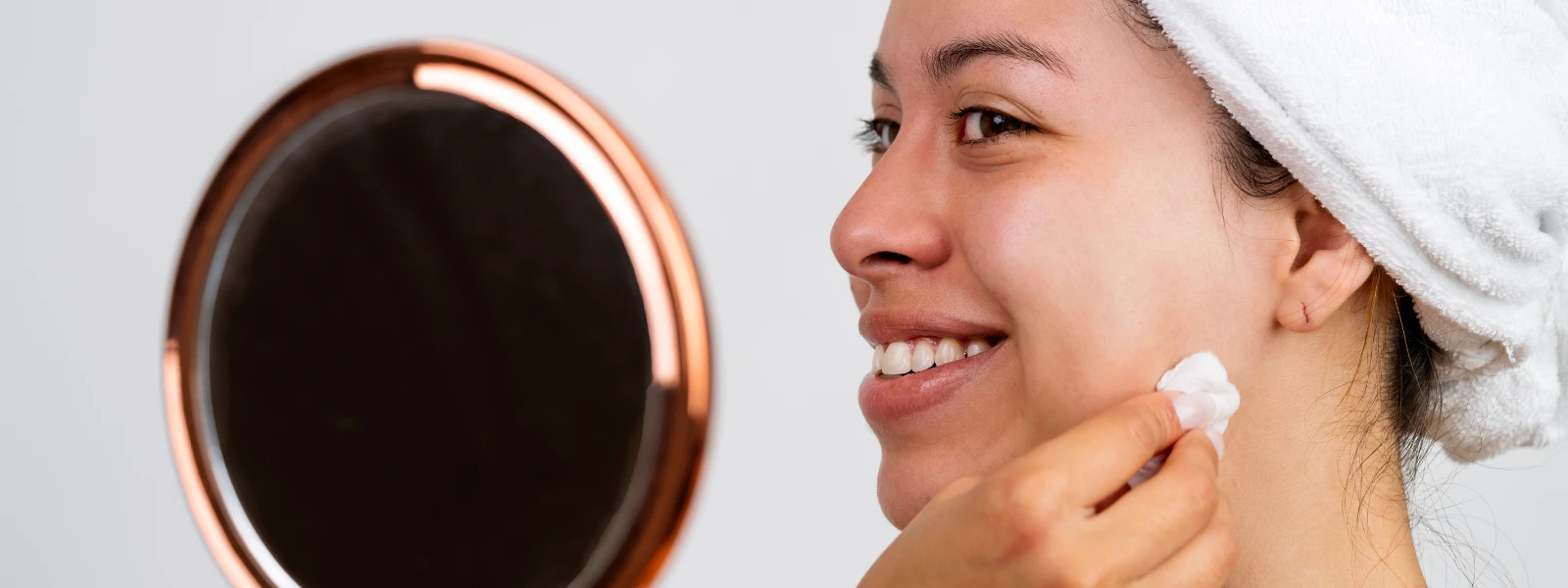
Dealing with uneven skin discoloration can feel overwhelming, especially when dark spots seem to appear out of nowhere. Whether you're noticing new sunspots after a beach vacation or struggling with stubborn melasma patches, you're not alone in this journey. Millions of people face similar challenges with their skin tone, and the good news is that effective solutions exist. Understanding the root causes of pigmentation issues and knowing which treatments actually work can make all the difference in achieving the clear, even complexion you desire. From professional treatments to at-home skincare routines, there are proven methods for treating uneven skin discoloration that can help restore your skin's natural radiance.
Skin discoloration happens when your skin produces too much or too little melanin, the pigment that gives your skin its color. This imbalance creates patches that appear darker or lighter than your natural skin tone. The process often starts deep within your skin cells, where various triggers can disrupt normal melanin production. Sun exposure remains the leading cause of uneven skin tone. UV rays penetrate your skin and stimulate melanocytes to produce excess melanin as a protective response. Over time, this creates those familiar brown spots we call sunspots or age spots. Hormonal changes, particularly during pregnancy or while taking birth control, can trigger melasma - those symmetrical patches that often appear on the cheeks and forehead.
Post-inflammatory hyperpigmentation occurs after skin trauma like acne, cuts, or burns. Your skin produces extra melanin during the healing process, leaving behind dark marks long after the original injury has healed. This type of discoloration is particularly common in people with darker skin tones. Age spots typically develop after years of sun exposure and become more noticeable as we get older. These flat, brown spots usually appear on areas that get the most sun - your face, hands, shoulders, and arms. Unlike freckles, age spots don't fade during winter months and tend to grow larger over time without proper treatment.
Dermatologists offer several effective treatments for hyperpigmentation treatment that can deliver faster results than at-home methods. Chemical peels use controlled acids to remove damaged skin layers, revealing fresher, more evenly toned skin underneath. Light peels work well for mild discoloration, while deeper peels can address more stubborn pigmentation issues. Laser treatments have become increasingly popular for sunspots removal and melasma treatment. Intense Pulsed Light (IPL) targets melanin deposits without damaging surrounding skin. Fractional lasers create tiny wounds that stimulate collagen production while breaking up pigment clusters. Q-switched lasers deliver precise energy bursts that shatter melanin particles, allowing your body to naturally eliminate them.
Microneedling creates controlled micro-injuries that trigger your skin's natural healing response. This process increases cell turnover and helps fade dark spots on face while improving overall skin texture. When combined with brightening serums, microneedling can enhance ingredient absorption for better results. Professional treatments typically require multiple sessions spaced several weeks apart. Most people see initial improvements within 4-6 weeks, with optimal results appearing after 3-6 months of consistent treatment.
Building an effective at-home routine for treating uneven skin discoloration starts with understanding which ingredients actually work. Vitamin C stands out as one of the most researched skin brightening ingredients. This powerful antioxidant not only protects against future damage but also helps fade existing dark spots by inhibiting melanin production. Retinoids accelerate cell turnover, helping your skin shed pigmented cells faster while promoting the growth of new, evenly toned skin. Start with a low concentration and gradually increase to avoid irritation. Niacinamide reduces inflammation and helps regulate melanin transfer, making it excellent for sensitive skin types.
Arbutin and kojic acid offer gentler alternatives to hydroquinone for skin lightening. These natural ingredients work by blocking the enzyme responsible for melanin production. Alpha hydroxy acids like glycolic acid provide chemical exfoliation that removes pigmented surface cells. The key to success lies in consistent application and proper layering. Apply vitamin C in the morning under sunscreen, and use retinoids at night. Always introduce new ingredients gradually to assess your skin's tolerance.
Age spots and sunspots require specific strategies for effective removal. These well-established pigmentation areas often need more intensive treatment than newer discoloration. Spot treatments with higher concentrations of active ingredients can provide targeted results without affecting surrounding skin. MelaMe™ Complex represents advanced skincare engineering that works through a dual-action mechanism. This melanin-first molecule breaks down existing dark spots by converting excess melanin deposits into re-absorbable amino acids. Simultaneously, it inhibits future melanin production, preventing new spots from forming while fading existing ones.
Preventing new age spots is just as important as treating existing ones. Daily sunscreen application with at least SPF 30 provides essential protection. Reapply every two hours when outdoors, and don't forget often-missed areas like your ears, neck, and hands. Wearing protective clothing and seeking shade during peak sun hours (10 AM to 4 PM) significantly reduces your risk of developing new sunspots. Consider adding antioxidant serums to your routine for extra protection against environmental damage.
Safe uneven skin tone correction focuses on ingredients that work with your skin's natural processes rather than against them. Hydrolyzed Sponge provides microscopic, needle-like structures that deliver gentle exfoliation similar to microneedling. These natural spicules create microchannels that enhance the absorption of brightening ingredients while promoting healthy cell turnover. Botanical extracts like licorice root, saffron flower, and centella asiatica offer natural skin brightening properties. Licorice root contains glabridin, which inhibits melanin production without causing irritation. Saffron provides antioxidant benefits while helping to even skin tone naturally.
A comprehensive approach to treating uneven skin discoloration combines multiple strategies for optimal results. Morning routines should focus on protection with vitamin C serums and broad-spectrum sunscreen. Evening routines can include retinoids, gentle exfoliation, and targeted spot treatments. Consistency matters more than perfection. Even the most effective ingredients need time to work, typically showing initial results within 2-4 weeks and significant improvement after 8-12 weeks of regular use.
Most people notice initial improvements within 2-4 weeks of consistent treatment. Significant changes typically appear after 8-12 weeks, with optimal results developing over 6 months. Advanced formulations like MelaMe™ Complex can deliver visible results in as little as 14 days with regular use.
Mild to moderate melasma often responds well to consistent at-home treatment with ingredients like vitamin C, niacinamide, and gentle retinoids. However, stubborn melasma may require professional intervention with chemical peels or laser treatments for best results.
Age spots and sunspots are essentially the same thing - both result from cumulative sun damage over time. The term "age spots" reflects their tendency to appear as we get older, while "sunspots" emphasizes their UV-related cause.
Yes, but introduce them gradually to avoid irritation. Start with one new ingredient at a time and allow your skin to adjust before adding others. Some combinations, like vitamin C and niacinamide, work synergistically for enhanced results.
This temporary darkening, called post-inflammatory hyperpigmentation, can occur as treatments bring deeper pigmentation to the surface. Continue your routine consistently, as this usually resolves within 2-4 weeks.
Many natural ingredients like arbutin, kojic acid, and botanical extracts provide effective skin brightening benefits. While they may work more gradually than synthetic alternatives, they often cause less irritation and provide sustainable results.
Treating uneven skin discoloration requires patience, consistency, and the right combination of ingredients and techniques. Whether you choose professional treatments or focus on at-home solutions, understanding your specific type of pigmentation helps guide your treatment decisions. Remember that prevention through daily sunscreen use remains your most powerful tool against future discoloration. With advanced ingredients like MelaMe™ Complex and proven methods like gentle exfoliation with hydrolyzed sponge, achieving an even, radiant complexion is more attainable than ever. Start with a simple routine, be consistent with your application, and give your chosen treatments adequate time to work their magic.
