


Understanding Post-Acne Marks: A Step-by-Step Guide
Your Cart
0You May Also Like
Did you know that nearly 95% of people who experience acne will develop some form of post-acne marks? Whether it's those stubborn dark spots that linger for months or red patches that seem to take forever to fade, understanding post-acne marks is the first step toward achieving clear, even-toned skin. Unlike active breakouts, these marks require a completely different approach and timeline for healing. This comprehensive guide will walk you through everything you need to know about identifying, treating, and preventing post-acne marks, giving you the knowledge to make informed decisions about your skincare journey.
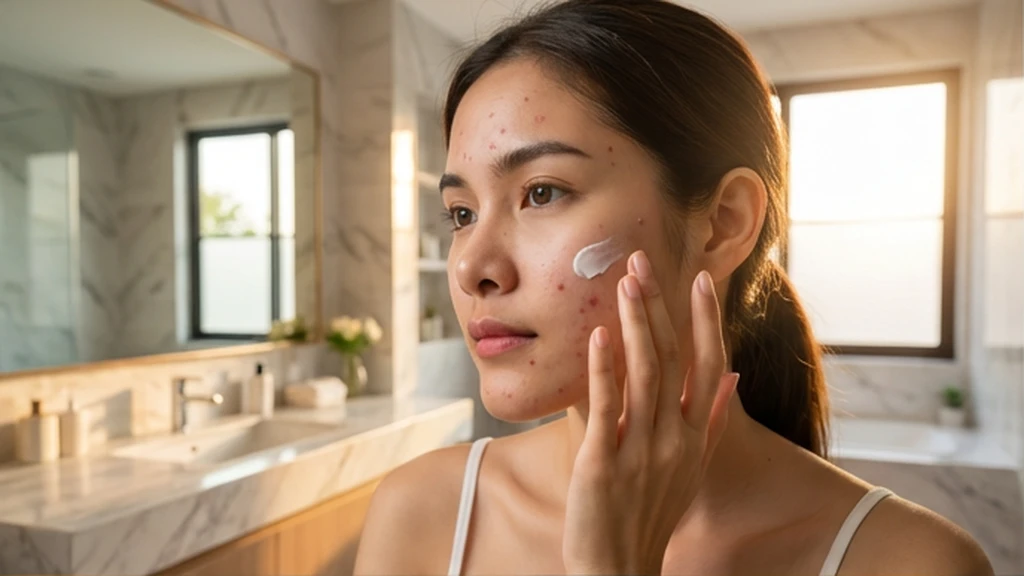
Post-acne marks are the visible reminders left behind after a pimple heals. Unlike active acne, these marks don't contain bacteria or cause inflammation, but they can significantly impact your confidence and skin appearance. Understanding post-acne marks means recognizing that not all marks are created equal, and each type requires specific treatment approaches.
Post-inflammatory hyperpigmentation (PIH) appears as flat, brown or black discoloration on the skin. These dark spots from acne are temporary and will eventually fade on their own, though this process can take 6-24 months. Post-inflammatory erythema (PIE) shows up as red marks after pimples and typically affects lighter skin tones more prominently.
True scarring from acne involves permanent textural changes to the skin. Atrophic scars create depressions in the skin surface, including ice pick scars (deep, narrow indentations), boxcar scars (wider, angular depressions), and rolling scars (wave-like undulations). Hypertrophic and keloid scars, on the other hand, are raised above the skin surface.
When your skin experiences inflammation from acne, it triggers an immune response that can lead to excess melanin production, resulting in hyperpigmentation from acne. The deeper and more inflamed the original pimple, the more likely it is to leave a mark. Picking or squeezing pimples significantly increases the risk of developing both discoloration and scarring.
Genetic factors also play a role in how your skin responds to inflammation. People with darker skin tones are more prone to developing PIH, while those with lighter skin often experience PIE more frequently.
Proper identification is crucial for effective treatment. Each type of post-acne mark responds differently to various treatments, making accurate diagnosis the foundation of successful care. Let's explore the main types of acne marks you might encounter.
PIH appears as brown, black, or sometimes purple discoloration that's completely flat to the touch. These spots are more common in individuals with medium to dark skin tones and can persist for months to years if left untreated. The good news is that PIH is not permanent scarring – it's simply excess pigment that will eventually fade.
PIE manifests as pink or red discoloration and is caused by dilated or damaged capillaries near the skin's surface. These marks are more prevalent in lighter skin tones and typically fade faster than PIH, usually within 3-6 months with proper care.
The key difference between acne discoloration and true scarring lies in texture. Run your finger over the affected area – if it feels smooth and flat, you're dealing with discoloration. If you feel bumps, depressions, or texture changes, you're looking at actual scarring that may require more intensive treatment.
Before beginning any treatment for your post-acne marks, it's essential to properly assess and document your current skin condition. This step helps you track progress and determine which treatments are most effective for your specific concerns.
Take clear photographs of your skin in natural lighting, preferably near a window during daytime hours. Avoid using flash or artificial lighting, as these can distort the appearance of marks. Document different angles and create a simple skin map noting the location, size, and type of each mark.
If your marks haven't shown improvement after 12 months of consistent at-home care, or if you notice raised or deeply depressed areas, it's time to seek professional help. A dermatologist can provide accurate diagnosis and recommend appropriate acne scars treatment options.
Effective treatment for post-acne marks requires patience and consistency. The key is choosing the right ingredients and treatments for your specific type of marks while maintaining realistic expectations about timelines.
Several proven ingredients can help fade post-acne hyperpigmentation and improve overall skin texture. Vitamin C serums work by inhibiting melanin production and providing antioxidant protection. Look for stable forms like magnesium ascorbyl phosphate or sodium ascorbyl phosphate in concentrations between 10-20%.
Retinoids accelerate cellular turnover, helping to bring newer, more evenly pigmented skin to the surface faster. Start with lower concentrations and gradually increase as your skin builds tolerance. Niacinamide at 5-10% concentration helps reduce inflammation and can improve the appearance of both PIH and PIE.
Professional treatments can significantly accelerate the fading process for stubborn marks. Chemical peels using glycolic acid, salicylic acid, or TCA can help remove damaged skin layers and stimulate renewal. Laser treatments and microneedling are particularly effective for treating acne blemishes that have left textural changes.
Prevention is always easier than treatment when it comes to post-acne marks. By implementing proper skincare habits and protecting your skin from further damage, you can minimize the formation of new marks while existing ones heal.
The most effective way to prevent post-acne marks is to prevent acne breakouts in the first place. Maintain a consistent skincare routine with gentle, non-comedogenic products. Avoid picking or squeezing pimples, as this dramatically increases the risk of developing both discoloration and scarring.
Daily sunscreen application is non-negotiable when dealing with post-acne marks. UV exposure can darken existing marks and slow the healing process significantly. Use a broad-spectrum SPF 30 or higher every day, even when staying indoors, as UV rays can penetrate windows.
One of the most important aspects of understanding post-acne marks is having realistic expectations about healing timelines. Unlike what many advertisements claim, there are no overnight solutions for post-acne marks.
PIH typically takes 6-24 months to fade naturally, depending on the depth of pigmentation and your skin type. PIE usually resolves faster, within 3-6 months with proper care. Factors like age, overall skin health, and genetics all influence how quickly your skin after acne returns to its normal appearance.
With consistent use of appropriate treatments, you can expect to see initial improvements within 4-8 weeks, with more significant results becoming apparent after 3-6 months of dedicated care. Remember that improvement is gradual and requires patience and consistency.
Yes, most post-acne marks will fade naturally over time as your skin renews itself. However, this process can take many months to years, and some marks may never completely disappear without intervention. Factors like mark depth, skin type, and age all influence natural fading rates.
Post-inflammatory hyperpigmentation and erythema can often be significantly improved or completely resolved with proper treatment. True acne scars, however, are permanent changes to skin structure and can only be improved, not completely erased. The goal is always significant improvement rather than perfection.
Initial improvements may be visible within 4-8 weeks of consistent treatment, but significant results typically require 3-6 months of dedicated care. Professional treatments may show faster results, but multiple sessions are usually needed for optimal outcomes.
While some natural ingredients like vitamin C, licorice root extract, and kojic acid have scientific backing for treating hyperpigmentation, most DIY remedies lack sufficient evidence. It's generally safer and more effective to use properly formulated products with proven ingredients.
Understanding post-acne marks is the foundation for effective treatment and realistic expectations. Remember that patience and consistency are your best allies in this journey. Start with proper assessment, choose appropriate treatments for your specific mark types, and always prioritize sun protection. While the healing process takes time, with the right approach and realistic expectations, you can achieve significant improvement in your skin's appearance and regain your confidence.
