


Skin Problems Delhi Pollution FAQ: Your Questions Answered
Your Cart
0You May Also Like
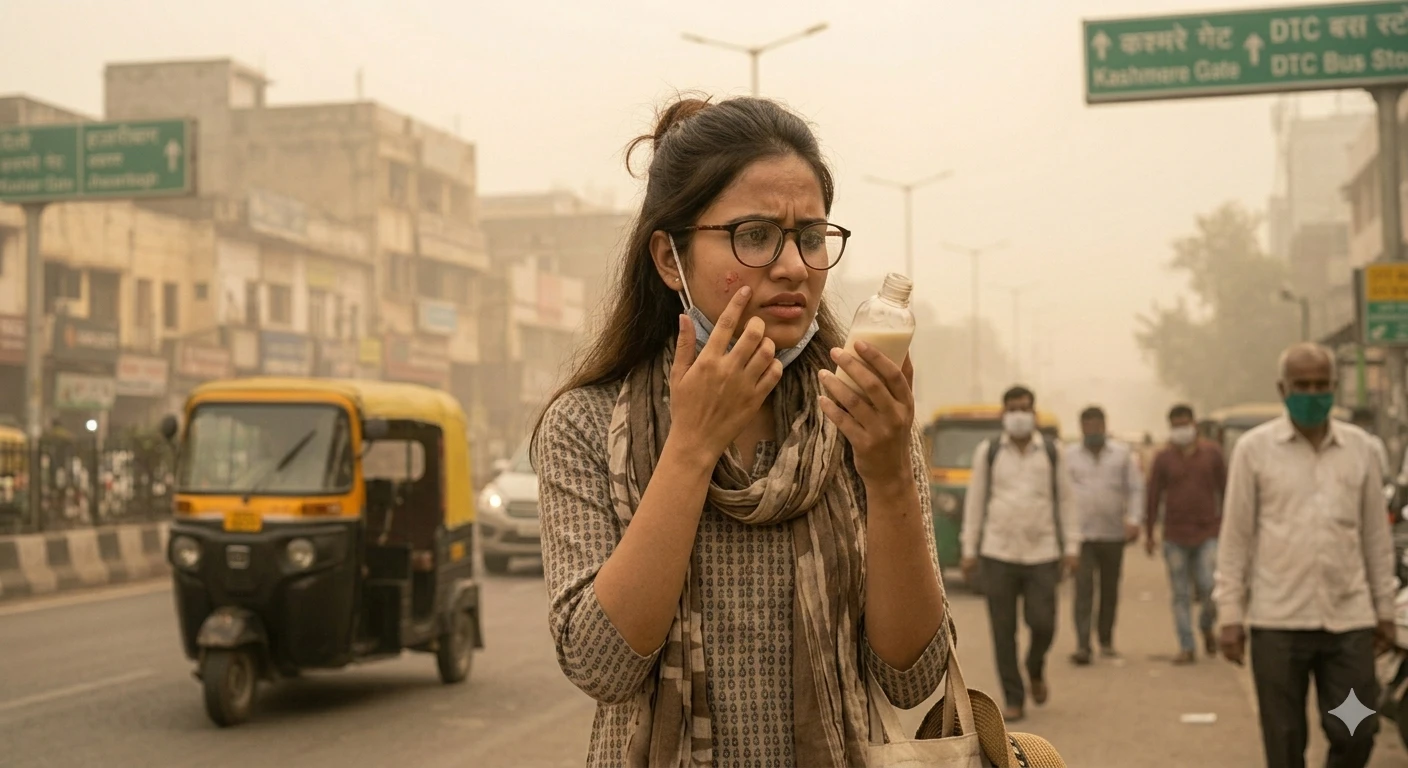
Living in Delhi means dealing with some of the world's worst air quality, and your skin pays the price every single day. From stubborn dark spots that seem to appear overnight to that dull, tired complexion that no amount of makeup can hide, skin problems Delhi pollution creates are becoming increasingly common among urban residents. The city's toxic air doesn't just affect your lungs – it's silently damaging your skin barrier, triggering inflammation, and accelerating aging in ways you might not even realize. Understanding how pollution impacts your skin and knowing the right protection strategies can make all the difference in maintaining healthy, radiant skin despite the challenging environment.
Delhi's air contains a dangerous cocktail of pollutants that penetrate deep into your skin layers, causing damage from the inside out. The fine particulate matter (PM2.5) in the air is so tiny that it can slip through your skin's natural defenses, creating free radicals that break down collagen and trigger inflammatory responses. This constant assault on your skin leads to a cascade of problems that go far beyond surface-level irritation.
PM2.5 particles are incredibly small – about 30 times smaller than the width of a human hair. These microscopic invaders can penetrate your skin barrier and reach the deeper dermal layers, where they generate reactive oxygen species that damage cellular structures. The result is accelerated aging, compromised skin barrier function, and increased sensitivity to other environmental stressors.
Pollution induced hyperpigmentation is one of the most frustrating consequences of living in Delhi. The toxic particles trigger melanin overproduction as your skin tries to protect itself, leading to uneven skin tone and persistent dark spots. Other common issues include:
Accelerated formation of fine lines and wrinkles
Increased acne breakouts due to clogged pores
Chronic inflammation and redness
Compromised skin barrier leading to dryness and sensitivity
Hyperpigmentation from environmental factors is particularly severe in Delhi due to the city's unique combination of high pollution levels, intense UV radiation, and dust particles. The constant exposure to these multiple stressors creates a perfect storm for melanin overproduction, making dark spots more stubborn and harder to treat than typical sun damage.
Research shows that effects of air pollution on skin tone are most pronounced in areas with consistently poor air quality like Delhi. The pollutants act as photosensitizers, making your skin more reactive to UV radiation and increasing melanin production even on cloudy days.
Pollution related melasma Delhi cases have increased significantly over the past decade. Unlike sun-induced pigmentation, pollution-related dark spots often appear in unusual patterns and can develop even in areas that aren't directly exposed to sunlight, such as around the hairline and neck.
Protecting your skin from Delhi's harsh environment requires a multi-layered approach that goes beyond basic skincare. Skin care for polluted environments focuses on creating a strong barrier against pollutants while supporting your skin's natural repair mechanisms.
Start with a gentle but thorough cleansing routine that removes pollutant particles without stripping your skin's natural oils. Follow with antioxidant-rich serums containing vitamin C, niacinamide, or kojic acid to neutralize free radicals and prevent oxidative damage.
Skin barrier repair pollution damage requires consistent use of ceramides, hyaluronic acid, and other barrier-supporting ingredients. These help restore your skin's natural defenses and prevent further pollutant penetration.
Managing dark spots from pollution requires patience and the right combination of active ingredients. Unlike sun damage, pollution-induced hyperpigmentation often responds better to gentle, consistent treatment rather than aggressive interventions.
Incorporate ingredients like kojic acid, arbutin, and vitamin C into your routine gradually. These work by inhibiting melanin production and promoting cellular turnover to fade existing dark spots.
For stubborn pigmentation, dermatologists may recommend chemical peels, laser treatments, or prescription retinoids. However, timing is crucial in Delhi – avoid aggressive treatments during peak pollution months when your skin is already stressed.
Dermatologist advice pollution skin care emphasizes prevention over treatment. Leading skin experts recommend adjusting your routine based on daily air quality index readings and seasonal pollution patterns in Delhi.
Consult a dermatologist if you notice sudden changes in pigmentation, persistent inflammation, or if your current routine isn't providing adequate protection against urban pollution skin concerns.
Successful management of skin issues due to Delhi air requires adapting your routine to seasonal changes, monitoring air quality, and maintaining consistent protection even when pollution levels seem lower.
While chronic exposure to high pollution levels can cause lasting changes to your skin, most pollution-induced damage is reversible with proper care and protection. The key is starting treatment early and maintaining consistent protective measures.
Most people notice improvements in skin texture and brightness within 4-6 weeks of starting a proper anti-pollution routine. However, fading dark spots and repairing barrier damage can take 3-6 months of consistent treatment.
Effective pollution protection doesn't require expensive products. Focus on proven ingredients like niacinamide, vitamin C, and broad-spectrum sunscreen. Consistency matters more than price when it comes to protecting your skin from environmental damage.
Yes, using air purifiers indoors can reduce your overall pollutant exposure and give your skin time to repair overnight. However, they should complement, not replace, a proper skincare routine designed for polluted environments.
On days when Delhi's AQI exceeds 300, consider double cleansing in the evening and applying an extra layer of antioxidant serum in the morning. Avoid introducing new products during high pollution periods as your skin may be more reactive.
Protecting your skin from Delhi's pollution requires understanding how environmental factors trigger skin problems and implementing targeted protection strategies. Focus on strengthening your skin barrier, using antioxidant-rich products, and maintaining consistent cleansing routines. Remember that treating pollution-induced hyperpigmentation takes time and patience, but with the right approach, you can maintain healthy, radiant skin even in one of the world's most polluted cities. Stay informed about daily air quality levels and adjust your skincare routine accordingly to give your skin the best possible protection against environmental damage.
