


Melasma & Hyperpigmentation: Laser vs. Peel, Your Questions Answered
Your Cart
0You May Also Like
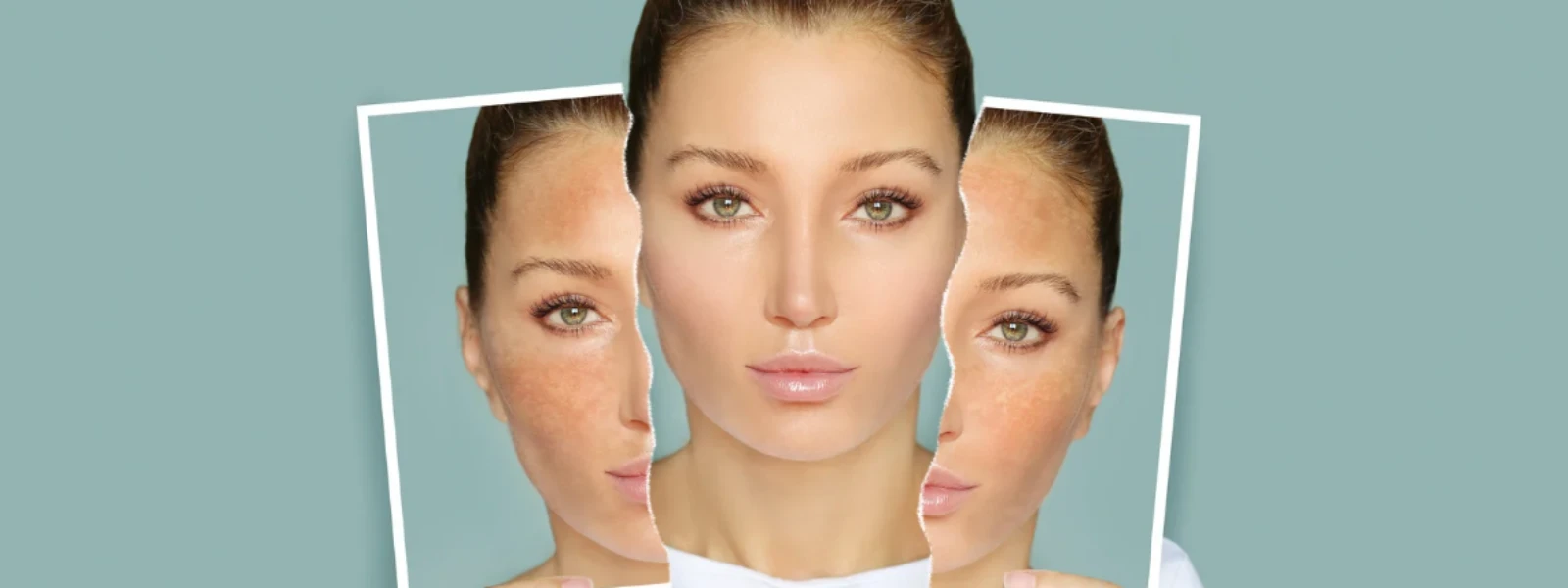
If you've been staring at a dark patch wondering whether to book a laser session or try a peel, you're not alone. Melasma and dark spots can feel hard to read — one patch may sit near the surface, another may be deeper, or return after sun, heat, acne, or irritation. That is why the answer to what is the best treatment for melasma/hyperpigmentation: laser or chemical peel is not one procedure for everyone. Your skin tone, pigment depth, downtime, and budget all matter. For melanin-rich Indian skin, caution matters too. Asaya formulates for this reality, with care focused on dark spots, acne marks, and uneven tone.
For most people, neither laser nor chemical peel is universally better — the right choice depends on pigment depth, skin tone, and individual response.
Superficial pigment may respond to a chemical peel. Deeper pigment may need laser targeting.
Darker skin needs a careful plan, since irritation can lead to more dark spots.
Both treatments need ongoing sun protection and gentle pigment care.
Dark spots form when skin makes extra melanin in one area. UV exposure, hormones, acne, and irritation can all play a part. The trigger matters because treatment can irritate skin if it is not well matched.
Epidermal pigment sits closer to the skin surface. A chemical peel for melasma may help this type through controlled exfoliation. Dermal pigment sits deeper and can be harder to shift. Laser treatment may be considered when a clinician identifies deeper skin pigmentation.
Indian and darker skin tones can develop post-inflammatory hyperpigmentation after irritation. This means heat, strong exfoliation, or an unsuitable procedure may leave new marks. A cautious plan and professional assessment are important.
Chemical peels exfoliate the upper layers of skin. Superficial peels are generally a safer starting point for darker skin tones and are often used for surface dark spots and uneven skin tone. Medium peels work deeper, but also need more care.
Improvement is gradual. Peel type, depth, and your skin response affect the timeline. A peel is not a shortcut for every form of melasma.
Lasers use focused energy to target pigment. The laser energy is absorbed by melanin deposits, breaking them down so the body can clear them over time. Q-switched and Nd:YAG laser types are commonly used for deeper pigmentation, and the treatment plan should account for your melasma pattern and skin tone.
During recovery, some redness and mild darkening of treated spots is normal before fading begins. Laser for hyperpigmentation can offer visible fading sooner for some people, but more energy is not always better. Wrong settings may trigger inflammation and worsen pigment, which is why a thorough skin tone assessment before any laser session is essential — particularly for Indian and darker skin tones where the risk of post-inflammatory hyperpigmentation is higher.
Peels are often considered for surface pigment and gradual change. Lasers may target deeper pigment more directly. Both may need more than one session, and both need careful aftercare. Results also vary from person to person — what fades quickly for one skin type may take longer or respond differently for another, which is why a consultation is the most reliable way to set realistic expectations.
A laser may show visible fading in one to two sessions. A peel may give a fresher look after one session, with fading building over later sessions. Fast results still depend on pigment depth and how your skin heals.
Superficial peels are generally a safer starting point than ablative lasers for darker skin. That does not make every peel risk-free. The safest route is the one chosen for your pigment, tolerance, and history of post-acne marks.
Microneedling is often discussed for acne scars because it focuses on skin texture. It is not the same as dark spot treatment. If a mark is flat and brown, pigment care may be the focus. If it is indented, scar-focused treatment may be discussed.
Some people have both acne marks and scars. A clinician can help separate these concerns before treatment begins.
Costs vary by treatment area, session count, clinic, and procedure type. A consultation is the right place to ask for an INR estimate and a full plan — it also gives you a clearer picture of how many sessions are realistically needed and what the aftercare involves. Avoid comparing only one-session prices when melasma may need maintenance.
Budget also includes aftercare. Gentle skincare and daily sun protection help protect the time and money spent on procedures.
A clinician may combine laser and peel treatments when acne, marks, and pigmentation need different approaches. Combination treatment should be spaced and planned to avoid too much irritation. Those with surface pigment concerns alongside deeper discolouration may be better candidates for a staged combination approach, while people with reactive skin, active inflammation, or a strong history of post-inflammatory hyperpigmentation are generally less suited to combined treatments.
More treatments at once do not always mean better results.
Use four questions to guide the choice:
Is the pigment surface-level or deeper?
Have you developed dark marks after irritation before?
How much downtime can you manage?
Can you commit to maintenance care?
For daily support, the Asaya Advanced Spot Targeting Serum contains 5% Niacinamide and 2% Alpha Arbutin. The Asaya Even Evermore Creme adds hydration with ceramides, Alpha Arbutin, and MelaMe™ Complex to support pigmentation correction. The Asaya Spot Light Sunscreen SPF 50 PA++++ supports a protect step in a pigmentation routine.
It depends on depth. Surface pigment may respond to peels. Deeper pigment may need laser targeting. Darker skin needs a cautious treatment choice.
There is no universal best procedure. Q-switched laser treatment may suit deeper melasma, while peels may suit epidermal melasma. A professional assessment can help identify the pattern.
Laser may show faster visible fading, often within one to two sessions. Peels tend to improve pigment gradually and may have lower risk for some darker skin tones.
Yes, especially for epidermal melasma. Peel type and depth matter. An unsuitable peel may irritate skin and worsen deeper melasma.
Yes. The Asaya Advanced Spot Targeting Gel is made for targeted dark spots and acne marks on oily, acne-prone skin. Keep the routine gentle and avoid adding strong exfoliants without guidance.
Melasma often needs patience because it can return when triggers remain. That's where daily skincare support matters. Asaya's MelaMe™ Complex is an advanced, skincare-engineered, melanin-first molecule designed to visibly treat discolouration and restore pigment balance within two weeks of regular use. It is tested and proven — helping break down excess melanin deposits into re-absorbable amino acids and inhibiting excess melanin production, so it supports fading existing blemishes and helps prevent new ones as part of steady, gentle care.
