


Indian Skin Pigmentation Explained: Your FAQ Guide
Your Cart
0You May Also Like
If you've ever wondered why your skin seems to develop dark spots, uneven patches, or stubborn pigmentation that just won't fade, you're not alone. Indian skin pigmentation is a common concern that affects millions of people across South Asia. Our melanin-rich skin, while beautiful and naturally protective, comes with its own unique set of challenges when it comes to pigmentation disorders. Understanding why these issues occur and how to address them effectively can transform your skincare journey from frustrating to empowering.
Indian skin contains approximately 50% more melanin than Caucasian skin, which gives us our beautiful natural tones but also makes us more susceptible to pigmentation issues. This higher melanin production means our skin reacts more intensely to triggers like sun exposure, hormonal changes, and inflammation.
Most people of Indian descent fall into Fitzpatrick skin types III to V, which means we have a genetic predisposition to develop hyperpigmentation. While this extra melanin provides natural sun protection, it also means that when our skin gets triggered, it produces melanin more readily and in larger quantities.
In Indian skin, melanocytes (the cells that produce melanin) are naturally more active. When these cells detect any form of stress – whether from UV rays, acne, or even minor scratches – they go into overdrive, producing excess melanin that shows up as dark spots or patches.
Living in tropical climates with intense sun exposure year-round, combined with high pollution levels in urban areas, creates the perfect storm for skin darkening and pigmentation issues. These environmental stressors constantly trigger melanin production, making pigmentation a persistent concern.
Understanding the different pigmentation types helps you identify what you're dealing with and choose the right treatment approach. Each type has distinct characteristics and responds differently to treatment.
The most common forms include melasma, post-inflammatory hyperpigmentation, and solar lentigines, each with unique triggers and treatment requirements.
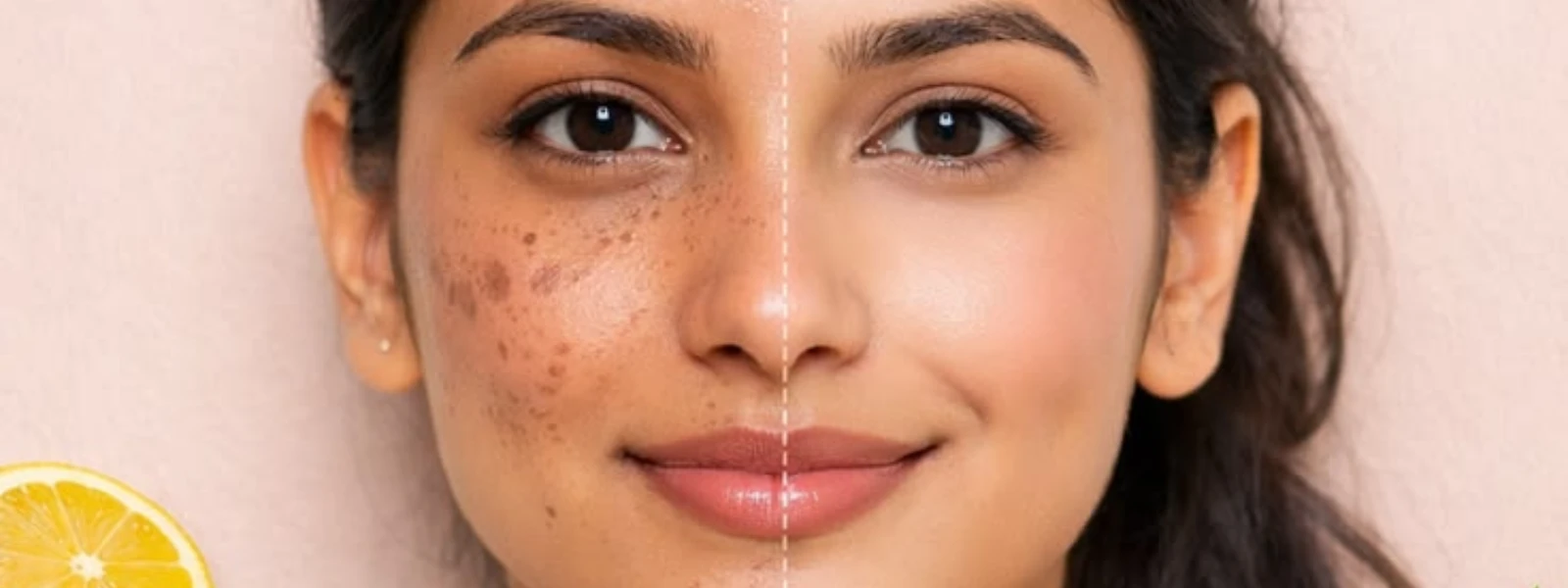
Melasma appears as symmetrical brown patches, typically on the cheeks, forehead, and upper lip. It's often triggered by pregnancy hormones (earning it the nickname "pregnancy mask") or birth control pills. Melasma treatment requires patience and consistent care, as hormonal fluctuations can cause it to return.
Post-inflammatory hyperpigmentation occurs after any skin injury or inflammation, including acne, cuts, or even aggressive skincare treatments. These dark spots can persist for months if left untreated, making prevention and early intervention crucial.
These are flat, brown spots caused by cumulative sun damage over time. Unlike freckles, which are genetic, age spots develop from years of UV exposure and become more prominent with age.
Several factors make Indian skin problems particularly challenging when it comes to pigmentation. Our genetic makeup, combined with environmental and lifestyle factors, creates a higher risk for developing uneven skin tone.
The increased melanin sensitivity means that even minor triggers can result in noticeable darkening. This heightened reactivity is both a blessing and a challenge – while it protects us from skin cancer, it also means we're more prone to developing dark spots.
Research shows that South Asian populations have genetic variations that affect how melanin is produced and distributed. These genetic factors influence not just our natural skin tone but also how readily our skin develops pigmentation in response to triggers.
Living in India exposes us to intense UV radiation year-round, high pollution levels, and often stressful urban lifestyles. These factors continuously stimulate melanin production, making pigmentation an ongoing concern rather than a seasonal issue.
When it comes to skin discoloration treatment, Indian skin requires a gentle yet effective approach. Aggressive treatments can often backfire, causing more pigmentation through irritation.
The key is finding treatments that work with your skin's natural processes rather than against them. This means choosing ingredients and methods that gradually reduce melanin production without causing inflammation.
Vitamin C serums, particularly those with stable forms like magnesium ascorbyl phosphate, help brighten skin while providing antioxidant protection. Retinol, when introduced gradually, can accelerate cell turnover and fade dark spots over time.
Ingredients like kojic acid, arbutin, and azelaic acid offer effective skin lightening without the harsh side effects of hydroquinone. These gentler alternatives work well for long-term maintenance and prevention.
Preventing new pigmentation is often easier than treating existing spots. Daily sun protection with broad-spectrum SPF 30 or higher is non-negotiable for Indian skin.
Antioxidant serums used in the morning can help neutralize free radicals from pollution and UV exposure before they trigger melanin production. Gentle skincare practices that avoid over-exfoliation or harsh scrubbing also prevent inflammatory pigmentation.
Most people start seeing improvements in 4-6 weeks with consistent treatment, but significant fading typically takes 3-6 months. Indian skin may take longer to show results due to higher melanin content, but patience and consistency are key to success.
While many ingredients work across skin tones, Indian skin often requires gentler concentrations and slower introduction of active ingredients. What works for lighter skin might be too aggressive and could actually worsen pigmentation through irritation.
This is post-inflammatory hyperpigmentation in action. Indian skin's heightened melanin response means that any inflammation, no matter how minor, can trigger excess melanin production. Using gentle skincare and avoiding picking at skin can help prevent this.
Sometimes, yes. When you start using active ingredients like retinol or vitamin C, existing pigmentation may initially appear darker as it rises to the surface before flaking off. This process, called "purging," typically lasts 2-4 weeks.
While diet alone won't cure pigmentation, foods rich in antioxidants (like berries, green tea, and turmeric) can support skin health from within. Conversely, high sugar intake and inflammatory foods may worsen existing pigmentation issues.
Complete sun avoidance isn't practical or necessary. Instead, focus on proper sun protection with broad-spectrum sunscreen, protective clothing, and seeking shade during peak hours (10 AM to 4 PM). Some sun exposure is healthy for vitamin D production.
Understanding Indian skin pigmentation explained empowers you to make informed decisions about your skincare routine. Remember that our melanin-rich skin, while prone to pigmentation, also has incredible protective qualities that we should celebrate.
The key to managing pigmentation lies in gentle, consistent care rather than aggressive treatments. Focus on prevention through daily sun protection, choose treatments specifically formulated for your skin type, and be patient with the process. With the right approach, you can achieve the even, radiant skin tone you desire while working with your skin's natural characteristics rather than against them.
