


How to Effectively Treat Melasma and Uneven Skin Tone
Your Cart
0You May Also Like
Melasma affects millions of people worldwide, creating stubborn patches of dark pigmentation that can significantly impact confidence and self-esteem. This common skin condition goes beyond simple dark spots, forming symmetrical patterns across the face that resist many conventional treatments. Understanding how to effectively address skin lightening melasma requires knowledge of both the underlying causes and proven treatment approaches. Whether you're dealing with pregnancy-related melasma or sun-induced hyperpigmentation, the right combination of treatments can help restore a more even, radiant complexion. The journey to clearer skin starts with understanding what you're dealing with and choosing evidence-based solutions that work.
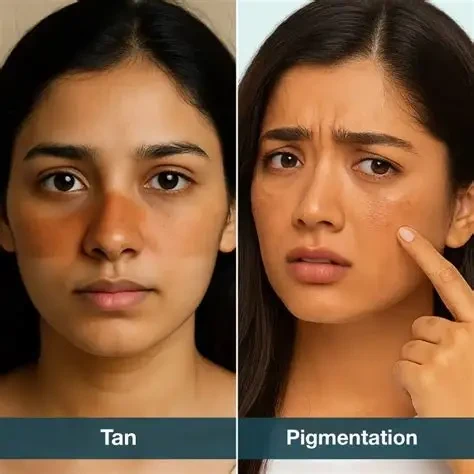
Melasma stands apart from other forms of hyperpigmentation due to its distinctive characteristics and stubborn nature. This condition creates brown or gray-brown patches that typically appear symmetrically across the face, most commonly on the cheeks, forehead, nose, and upper lip. Unlike age spots or post-inflammatory hyperpigmentation, melasma forms deeper within the skin layers, making it more challenging to treat effectively.
The key difference lies in melasma's pattern and depth. While regular dark spots on face often appear as isolated patches, melasma creates bilateral patterns that mirror each other on both sides of the face. This symmetrical distribution is a hallmark sign that helps distinguish it from sun spots or acne scarring.
Several factors contribute to melasma development, with hormonal changes being the most significant trigger. Pregnancy, birth control pills, and hormone replacement therapy can all stimulate melanin production. Sun exposure acts as a secondary trigger, often worsening existing melasma or causing it to reappear after successful treatment. Genetic predisposition also plays a role, with certain ethnicities showing higher susceptibility to this condition.
The condition disrupts normal melanin distribution, creating areas of concentrated pigmentation alongside normal skin tone. This creates a patchy, uneven skin tone that can be particularly noticeable in certain lighting conditions. The contrast between affected and unaffected areas often makes the pigmentation appear more pronounced than it actually is.
Understanding how melasma forms helps explain why certain treatments work better than others. The condition involves overactive melanocytes (pigment-producing cells) that create excess melanin in response to triggers. Effective skin lightening melasma treatments work by either inhibiting melanin production, accelerating skin cell turnover, or both.
When triggered by hormones or UV exposure, melanocytes increase their production of melanin through a complex enzymatic process. The enzyme tyrosinase plays a crucial role in this process, converting the amino acid tyrosine into melanin. Successful treatments often target this enzyme or the cellular pathways that regulate melanin production.
Proven pigmentation correction methods work by interrupting the melanin production cycle at various points. Some ingredients block tyrosinase activity, while others accelerate the natural skin renewal process to help fade existing pigmentation. The most effective approaches combine multiple mechanisms for comprehensive results.
Realistic expectations are crucial for successful melasma treatment. Most topical treatments require 8-12 weeks to show noticeable improvement, with optimal results often taking 6-12 months. The skin's natural renewal cycle takes approximately 28 days, so multiple cycles are needed to see significant changes in pigmentation.
Medical treatments remain the gold standard for effective melasma removal, offering the most reliable and scientifically-backed results. These treatments range from over-the-counter options to prescription-strength formulations and professional procedures.
Hydroquinone remains the most effective single ingredient for treating melasma. Available in 2% concentrations over-the-counter and up to 4% by prescription, it works by inhibiting tyrosinase activity. When used consistently, hydroquinone can significantly lighten melasma patches within 6-8 weeks. However, it requires careful use and sun protection to prevent irritation and rebound pigmentation.
For those who cannot tolerate hydroquinone, several alternatives offer effective skin brightening results. Kojic acid, derived from fungi, provides gentle yet effective tyrosinase inhibition. Vitamin C serums offer antioxidant protection while gradually lightening pigmentation. Alpha arbutin provides a gentler alternative to hydroquinone with similar mechanisms of action.
When topical treatments alone aren't sufficient, professional procedures can accelerate results. Chemical peels using glycolic acid or trichloroacetic acid help remove pigmented skin layers. However, laser treatments require extreme caution with melasma, as they can sometimes worsen the condition rather than improve it.
Setting appropriate expectations is crucial for successful melasma management. While some people see improvement within weeks, most require months of consistent treatment to achieve significant results. The key lies in understanding that skin lightening is a gradual process that requires patience and persistence.
Complete melasma removal is rarely achievable, but significant improvement is realistic for most people. A 50-70% reduction in pigmentation intensity represents excellent results. Some patches may fade completely while others lighten considerably, creating a much more even overall appearance.
The most effective melasma treatment protocols combine multiple approaches. A typical regimen might include a hydroquinone or alternative lightening agent, a retinoid to accelerate cell turnover, and strict sun protection. This multi-pronged approach addresses different aspects of pigmentation formation and removal.
Regular progress photos taken in consistent lighting help track improvement over time. Many people notice gradual fading that becomes more apparent when comparing photos from several weeks apart. Keeping a treatment diary can also help identify which products or approaches work best for your specific case.
Prevention remains the most important aspect of melasma management. Even the most effective treatments will fail if triggers continue to stimulate new pigmentation. A comprehensive prevention strategy addresses both environmental and internal factors that contribute to melasma development.
Broad-spectrum sunscreen with at least SPF 30 is non-negotiable for anyone dealing with melasma. Physical sunscreens containing zinc oxide or titanium dioxide often work better than chemical sunscreens for sensitive, pigmented skin. Reapplication every two hours and seeking shade during peak sun hours are equally important.
For hormone-triggered melasma, working with healthcare providers to minimize hormonal fluctuations can help prevent recurrence. This might involve adjusting birth control methods or exploring hormone replacement therapy alternatives. Pregnancy-related melasma often improves naturally after delivery, though some pigmentation may persist.
A consistent routine supporting hyperpigmentation treatment includes gentle cleansing, targeted treatment products, moisturizing, and sun protection. Avoiding harsh scrubs or aggressive treatments that can trigger inflammation is crucial, as inflammation can worsen melasma.
While medical treatments provide the most reliable results, certain natural approaches can complement professional treatments or provide gentle alternatives for sensitive skin. These methods work more slowly but offer fewer side effects for those who prefer natural solutions.
Several natural ingredients show promise for skin brightening. Licorice extract contains glabridin, which inhibits tyrosinase activity. Niacinamide (vitamin B3) helps reduce melanin transfer to skin cells while providing anti-inflammatory benefits. Green tea extract offers antioxidant protection that may help prevent further pigmentation.
While some home remedies like vitamin C-rich foods or gentle exfoliation with oatmeal may provide mild benefits, others can be harmful. Lemon juice, often recommended online, can actually increase photosensitivity and worsen pigmentation. Stick to gentle, proven ingredients and avoid harsh DIY treatments that could trigger inflammation.
A diet rich in antioxidants may support overall skin health and complement topical treatments. Foods high in vitamin C, vitamin E, and polyphenols help protect against oxidative stress that can worsen pigmentation. However, dietary changes alone are insufficient for treating established melasma.
Most people begin seeing improvement within 6-8 weeks of consistent treatment, with optimal results typically achieved after 3-6 months. However, individual response times vary based on melasma severity, skin type, and treatment adherence.
Yes, melasma has a high recurrence rate, especially with sun exposure or hormonal changes. Maintaining sun protection and using maintenance treatments can help prevent or minimize recurrence.
Combining certain ingredients can be effective, but it should be done carefully to avoid irritation. Start with one product and gradually introduce others. Always patch test new combinations and consider consulting a dermatologist for complex regimens.
Melasma-specific formulations typically contain higher concentrations of active ingredients and are designed for the stubborn nature of melasma pigmentation. Regular brightening products may be sufficient for mild cases but often lack the potency needed for established melasma.
Effective melasma treatment requires a comprehensive approach combining proven active ingredients, consistent application, and strict sun protection. While complete removal may not always be possible, significant improvement is achievable for most people with patience and the right treatment strategy. The key to success lies in understanding that melasma management is often a long-term commitment rather than a quick fix. By combining medical treatments with proper prevention strategies and realistic expectations, you can achieve meaningful improvement in skin tone and confidence. Remember that what works for one person may not work for another, so be prepared to adjust your approach based on your skin's response and always prioritize gentle, consistent care over aggressive treatments that might worsen the condition.
