


Indian Skin Melasma Tips: Your Questions Answered
Your Cart
0You May Also Like
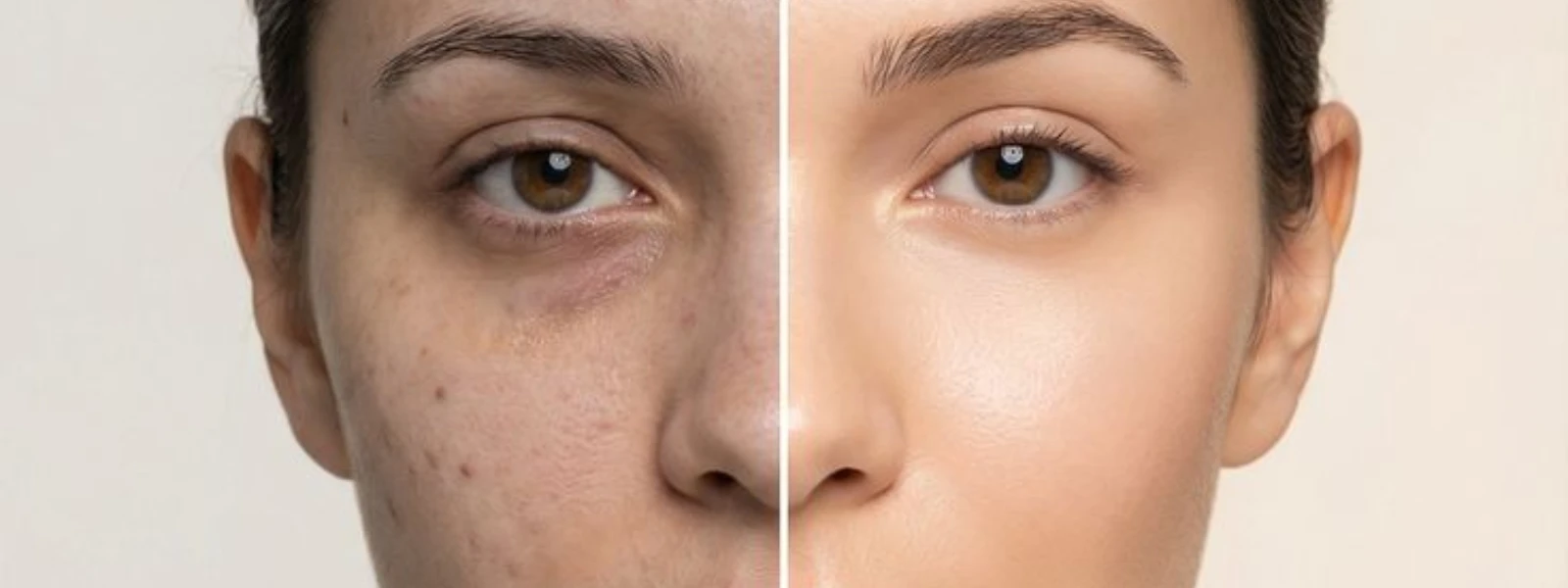
Melasma affects millions of Indian women, creating stubborn dark patches that seem impossible to fade. If you're dealing with these persistent brown spots on your cheeks, forehead, or upper lip, you're not alone. Indian skin melasma tips can help you understand why this happens and what actually works. The good news? With the right approach, you can see real improvement in your skin tone and confidence.
Melasma shows up as brown or gray patches, usually on your face. It happens when your skin makes too much melanin in certain spots. Indian skin care needs special attention because our skin types are more prone to this condition.
Indian women face higher melasma risks due to several factors. Our skin contains more melanin naturally, which means we're more likely to develop skin discoloration when triggered. Hormonal changes during pregnancy, PCOS, or birth control use can activate melasma. The intense Indian sun and humidity also play a major role in triggering and worsening these dark patches.
Most Indian women develop melasma in a butterfly pattern across their cheeks and nose bridge. You might also notice patches on your forehead or above your upper lip. These areas get the most sun exposure, making them prime targets for hyperpigmentation.
Melasma treatment requires patience and consistency. The key is using proven ingredients that can safely lighten dark spots without irritating Indian skin. Most treatments take 3-6 months to show significant results, so don't expect overnight changes.
Topical treatments work best when combined with strict sun protection. Professional treatments can speed up results, but they need careful consideration for darker skin tones to avoid post-inflammatory hyperpigmentation.
Hydroquinone remains the gold standard for pigmentation removal. It works by blocking the enzyme that produces melanin. However, it needs dermatologist supervision, especially for Indian skin. Tretinoin enhances hydroquinone's effectiveness by speeding up cell turnover.
Gentler alternatives include azelaic acid and kojic acid. These ingredients are less likely to cause irritation while still providing effective lightening. Niacinamide works well for sensitive Indian skin, reducing inflammation while evening out skin tone.
Chemical peels can help with stubborn melasma, but they must be done carefully on Indian skin. Glycolic acid and lactic acid peels are safer options than stronger peels that might cause darkening. Laser treatments carry risks for darker skin tones and should only be done by experienced dermatologists.
Natural remedies for melasma can complement medical treatments safely. While they work slower than prescription options, they're gentler and more accessible for daily use. These remedies can help improve overall skin health while supporting your main treatment plan.
Traditional Indian ingredients like turmeric have anti-inflammatory properties that can help calm irritated skin. However, it's important to have realistic expectations about what natural remedies can achieve compared to proven medical treatments.
Turmeric mixed with milk creates a gentle mask that can help with inflammation. Vitamin C from natural sources like lemon juice should be used carefully, as it can cause photosensitivity. Licorice extract contains glabridin, which can help lighten dark spots on face gradually.
Aloe vera provides soothing benefits without active lightening properties. It's excellent for calming irritated skin during treatment. Always patch test natural remedies first, as some can cause allergic reactions or increased sensitivity.
Melasma prevention is often easier than treatment. Once you've improved your melasma, preventing it from returning becomes your main focus. Sun protection forms the foundation of any prevention strategy, especially in India's intense climate.
Lifestyle factors also play important roles in prevention. Managing stress, getting adequate sleep, and maintaining hormonal balance can all help prevent melasma flare-ups.
Broad-spectrum sunscreen with SPF 30 or higher is non-negotiable. Apply it 20 minutes before going outside and reapply every 2 hours. In Indian heat and humidity, you might need to reapply more frequently. Physical barriers like wide-brimmed hats and umbrellas provide extra protection.
Hormonal management is crucial for preventing melasma recurrence. If you're on birth control or hormone therapy, discuss alternatives with your doctor. Stress reduction through yoga, meditation, or regular exercise can help balance hormones naturally.
A consistent routine helps maintain treatment results and prevents new dark spots from forming. Your routine should focus on gentle cleansing, targeted treatment, and protection. Avoid harsh scrubbing or over-exfoliation, which can worsen pigmentation.
Morning routines should prioritize protection, while evening routines focus on treatment and repair. Consistency matters more than using expensive products – stick to proven ingredients that work for your skin type.
Start with a gentle cleanser that won't strip your skin. Apply vitamin C serum to help protect against environmental damage. Follow with a lightweight moisturizer suitable for Indian humidity. Always finish with broad-spectrum sunscreen as your final step.
Double cleanse to remove sunscreen and pollution buildup. Apply your prescribed treatment products on clean, dry skin. Use a hydrating moisturizer to support your skin barrier. Limit exfoliation to once or twice weekly to avoid irritation.
Most people see initial improvement in 6-8 weeks, with significant results after 3-6 months of consistent treatment. Melasma treatment requires patience, as the skin needs time to shed pigmented cells and produce new, evenly-toned skin.
Yes, melasma can return if triggers like sun exposure or hormonal changes occur again. Maintaining sun protection and following a preventive skincare routine helps reduce recurrence risk significantly.
Some combinations work well together, while others can cause irritation. It's best to introduce one new ingredient at a time and consult a dermatologist for personalized combination therapy recommendations.
Some treatments can cause temporary darkening as they bring deeper pigment to the surface. This usually resolves within 4-6 weeks. However, if darkening persists or worsens, stop the treatment and consult your dermatologist.
Not necessarily. Many affordable, clinically-proven ingredients like hydroquinone, tretinoin, and kojic acid are highly effective. Consistency and proper use matter more than price when treating hyperpigmentation remedies.
While diet doesn't directly cause melasma, foods rich in antioxidants may support skin health. Avoiding excessive sugar and processed foods can help reduce inflammation that might worsen existing pigmentation.
Managing melasma on Indian skin requires a comprehensive approach combining proven treatments, consistent sun protection, and patience. Start with gentle, effective ingredients and build your routine gradually. Remember that prevention is easier than treatment, so maintain good habits even after seeing improvement.
Success comes from understanding your skin's unique needs and sticking to a routine that works for you. With the right Indian skin melasma tips and consistent effort, you can achieve the even, radiant skin tone you desire. Don't hesitate to seek professional guidance when needed – your skin deserves expert care.
