


How to Treat Melasma on Your Face Effectively
Your Cart
0You May Also Like
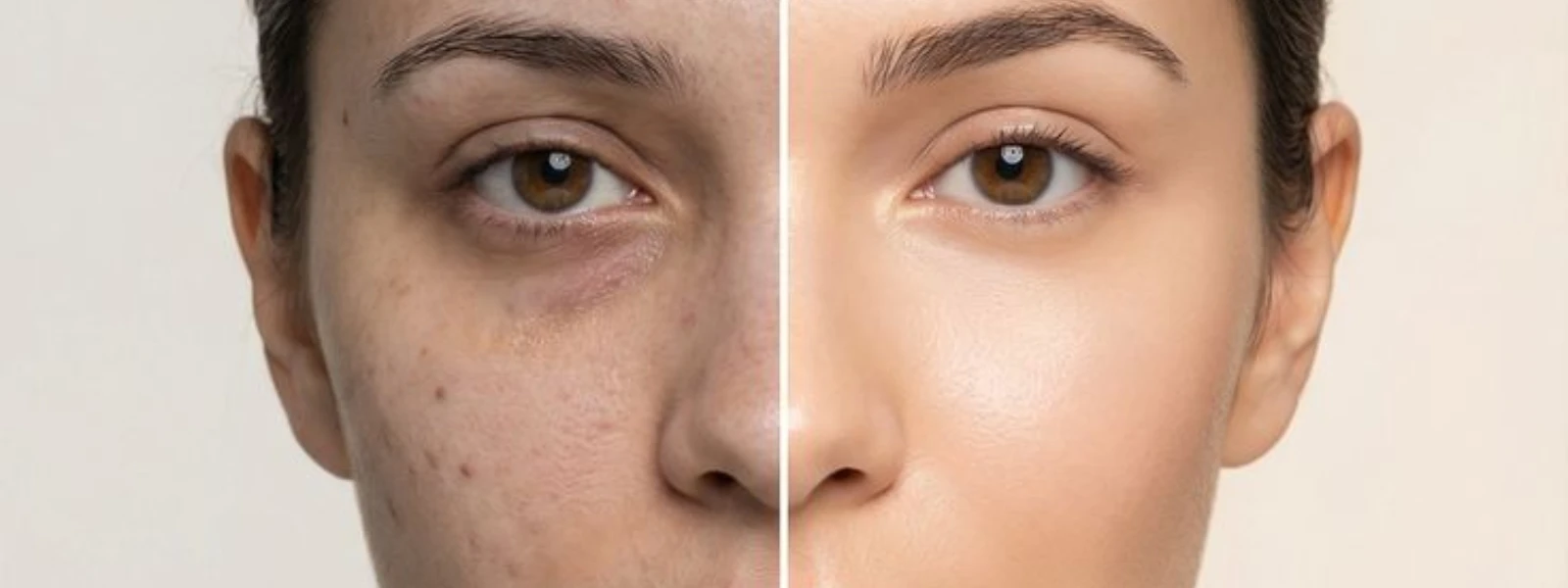
Melasma affects millions of people worldwide, creating brown or gray patches that typically appear on the face. This common skin condition can feel overwhelming, especially when it seems to appear out of nowhere or worsen despite your best efforts. The good news is that effective melasma treatment for face options exist, ranging from gentle home remedies to professional procedures. Understanding what causes melasma and how to address it properly can help you regain confidence in your skin and develop a treatment plan that works for your lifestyle.
Melasma develops when melanocytes, the cells that produce skin pigment, become overactive and create excess melanin in certain areas. This process doesn't happen randomly – specific triggers activate these cells and lead to the characteristic patches we see. Knowing these melasma causes helps you understand why treatment requires both addressing existing pigmentation and preventing future flare-ups.
Hormonal changes rank as the most common trigger for melasma development. Pregnancy hormones, birth control pills, and hormone replacement therapy can all stimulate melanin production. This explains why melasma often appears during pregnancy, earning it the nickname "pregnancy mask."
Sun exposure plays an equally important role in melasma formation. UV rays penetrate the skin and activate melanocytes, causing them to produce more pigment as a protective response. Even brief sun exposure can worsen existing melasma or trigger new patches to form.
Genetic factors also influence your likelihood of developing melasma. If family members have experienced this condition, you may have inherited a predisposition to facial pigmentation. Heat from sources like saunas, hot yoga, or even cooking can also trigger melasma in sensitive individuals.
Facial skin contains more melanocytes than other body areas, making it more susceptible to pigmentation changes. The face also receives the most sun exposure throughout the day, creating ideal conditions for melasma development.
Melasma typically appears in specific patterns on the face. The most common areas include the cheeks, forehead, bridge of the nose, and upper lip. This differs from other types of skin discoloration that might appear randomly or in response to injury.
Professional treatments offer the most effective approach to melasma removal, especially for stubborn or widespread cases. Dermatologists have access to stronger ingredients and advanced procedures that can target deep pigmentation more effectively than over-the-counter options. These treatments require professional supervision but often deliver faster and more dramatic results.
Prescription hydroquinone remains the gold standard for melasma treatment. Available in concentrations up to 4%, prescription hydroquinone works by inhibiting tyrosinase, the enzyme responsible for melanin production. This ingredient requires careful monitoring due to potential side effects with long-term use.
Triple combination therapy combines hydroquinone with tretinoin and a mild corticosteroid. This powerful combination addresses multiple aspects of melasma formation while reducing inflammation and accelerating cell turnover. Many dermatologists consider this the most effective topical treatment available.
Tranexamic acid has emerged as a promising treatment option, available both topically and orally. This ingredient works by blocking plasmin, which activates melanocytes. Studies show excellent results with fewer side effects compared to traditional treatments.
Chemical peels designed for hyperpigmentation treatment can effectively remove surface pigmentation and stimulate healthy cell renewal. Glycolic acid, lactic acid, and TCA peels offer different depths of treatment depending on your melasma severity.
Laser treatments like Q-switched lasers and fractional lasers can target deep pigmentation that topical treatments cannot reach. However, laser therapy requires careful consideration as it can sometimes worsen melasma in certain skin types.
Choosing the right melasma cream depends on your skin sensitivity, melasma severity, and treatment goals. Over-the-counter options provide gentler alternatives to prescription treatments, though they typically require longer treatment periods to show results. The key lies in finding products with proven ingredients that work synergistically to address pigmentation.
Hydroquinone 2% products offer a gentler introduction to this powerful ingredient. While less potent than prescription versions, over-the-counter hydroquinone can still provide significant improvement for mild to moderate melasma.
Kojic acid works by inhibiting tyrosinase activity and offers a natural alternative to hydroquinone. This ingredient, derived from fungi, shows particular effectiveness when combined with other brightening agents like vitamin C or arbutin.
Azelaic acid provides anti-inflammatory benefits while gently inhibiting melanin production. This ingredient works well for sensitive skin types and can be used long-term without the concerns associated with hydroquinone.
Consider your skin type when selecting melasma treatments. Sensitive skin benefits from gentler ingredients like kojic acid or vitamin C, while resilient skin might tolerate stronger formulations. Look for products that combine multiple active ingredients for comprehensive treatment.
Application technique significantly impacts treatment effectiveness. Apply treatments to clean, dry skin and always follow with sunscreen during the day. Start with every other day application to assess tolerance before increasing frequency.
While professional treatments offer the most dramatic results, melasma home remedies can provide gentle support and help maintain improvements. Natural approaches work best as part of a comprehensive treatment plan rather than standalone solutions. These remedies offer the advantage of fewer side effects and can be safely used long-term for melasma prevention.
Vitamin C serums provide antioxidant protection while gently inhibiting melanin production. Look for stable forms like magnesium ascorbyl phosphate or sodium ascorbyl phosphate that won't irritate sensitive skin. Regular use can help prevent new dark spots on face from forming.
Licorice root extract contains glabridin, which naturally inhibits tyrosinase activity. This gentle ingredient works well for sensitive skin and can be found in many natural skincare products designed for pigmentation concerns.
Green tea extract offers powerful antioxidant benefits that protect against UV damage while providing mild skin-brightening effects. You can apply cooled green tea directly to the skin or look for products containing green tea extract.
Daily sun protection forms the foundation of any melasma treatment plan. Use broad-spectrum SPF 30 or higher every day, regardless of weather conditions. Reapply every two hours and consider physical sunscreens containing zinc oxide or titanium dioxide for sensitive skin.
Managing hormonal triggers requires working with healthcare providers to find alternatives to medications that worsen melasma. If pregnancy-related melasma develops, focus on prevention strategies as many treatments aren't safe during pregnancy.
Successful melasma treatment requires a systematic approach that addresses both existing pigmentation and prevention of new spots. Creating a comprehensive plan helps ensure consistent results while minimizing potential side effects. The key lies in combining appropriate treatments with realistic expectations and consistent application.
Begin with a thorough skin assessment to determine melasma severity and identify potential triggers. Take photos to track progress over time, as improvements often occur gradually and can be difficult to notice day-to-day.
Start with gentler treatments and gradually increase intensity as your skin adapts. This approach minimizes irritation while allowing you to find the most effective combination for your specific needs. Most people see initial improvements within 6-8 weeks of consistent treatment.
Track your skin's response to treatment and adjust accordingly. If irritation develops, reduce application frequency or switch to gentler ingredients. Conversely, if you see no improvement after 12 weeks, consider stronger treatments or professional consultation.
Long-term maintenance requires ongoing sun protection and periodic use of active ingredients to prevent recurrence. Many people find that seasonal adjustments to their routine help maintain results year-round.
Triple combination therapy containing hydroquinone, tretinoin, and a mild corticosteroid is considered the most effective treatment. Tranexamic acid, both topical and oral, also shows excellent results with fewer side effects.
Melasma can be significantly improved and sometimes cleared completely, but it tends to recur if triggers like sun exposure or hormonal changes aren't managed. Long-term maintenance with sun protection and periodic treatment helps prevent recurrence.
Most people begin seeing improvements within 6-8 weeks of consistent treatment. Significant results typically require 3-6 months, while complete clearance may take 6-12 months depending on melasma severity and treatment approach.
Natural remedies like vitamin C, licorice root extract, and kojic acid can provide gentle improvement, especially for mild melasma. However, they typically work slower than prescription treatments and are most effective when combined with professional treatments.
Avoid harsh scrubbing, excessive heat exposure, and inconsistent sun protection. Some laser treatments can worsen melasma in certain skin types, so professional consultation is essential before considering advanced procedures.
Effective melasma treatment requires understanding your specific triggers and choosing appropriate treatments for your skin type and lifestyle. While the condition can be challenging to treat, consistent application of proven ingredients combined with diligent sun protection can lead to significant improvement. Remember that melasma treatment is a marathon, not a sprint – patience and consistency are key to achieving and maintaining clear, even-toned skin.
Whether you choose professional treatments, over-the-counter options, or natural remedies, the most important factor is developing a sustainable routine that you can maintain long-term. With the right approach and realistic expectations, you can successfully manage melasma and enjoy the confidence that comes with healthy, radiant skin.
