


How to Prevent Pollution Dark Marks on Your Skin
Your Cart
0You May Also Like
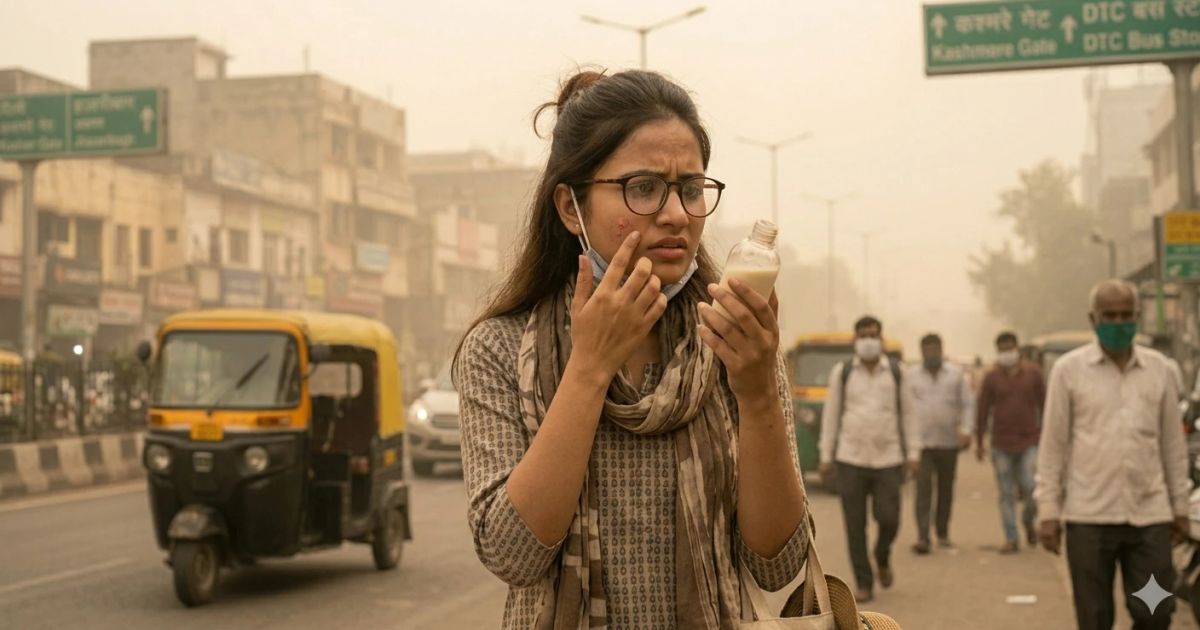
Living in urban India means your skin faces a daily battle against pollution. Every time you step outside, tiny particles and harmful chemicals settle on your face, triggering a cascade of damage that leads to stubborn dark marks. These environmental dark spots don't just appear overnight – they're the result of months of accumulated exposure to smog, dust, and toxic air. The good news? You can protect your skin and prevent these marks from forming in the first place. Understanding how pollution affects your skin is the first step toward building an effective defense strategy.
When we talk about pollution induced hyperpigmentation, we're looking at a complex process that happens deep within your skin cells. Air pollutants like PM2.5 particles, nitrogen dioxide, and ozone don't just sit on your skin's surface – they penetrate through your protective barrier and cause real damage from within.
These microscopic invaders trigger what scientists call oxidative stress. Think of it like rust forming on metal, but happening inside your skin cells. This process activates your melanocytes – the cells responsible for producing pigment – causing them to go into overdrive and create those frustrating dark patches.
Your skin barrier works like a protective wall, but pollution particles are incredibly small. PM2.5 particles are 30 times smaller than the width of a human hair, making them small enough to slip through even healthy skin barriers. Once inside, they set off inflammatory reactions that can last for hours or even days.
Most people don't realize that air pollution skin damage starts immediately upon exposure. Within just 24 hours, pollution can increase melanin production by up to 20%. However, visible dark marks typically appear after 4-6 weeks of consistent exposure, which is why many people don't connect their skin issues to environmental factors.
The process of free radical damage hyperpigmentation is like a domino effect in your skin. When pollution particles interact with your skin cells, they steal electrons from healthy molecules, creating unstable free radicals. These damaged molecules then try to stabilize themselves by taking electrons from other healthy cells, creating a chain reaction of damage.
This oxidative stress skin darkening process specifically targets your skin's natural antioxidant defenses. When these defenses are overwhelmed, your skin responds by producing excess melanin as a protective mechanism – similar to how it darkens when exposed to UV rays.
Pollution doesn't just cause direct damage – it also triggers inflammation. This inflammatory response can last for weeks, continuously stimulating melanin production even after the initial exposure has ended. This is why some people notice their skin getting darker during high-pollution seasons, even when they're spending less time outdoors.
The smog effect on skin includes weakening your natural protective barrier. A compromised barrier allows more pollutants to penetrate deeper, creating a vicious cycle where damaged skin becomes even more vulnerable to future pollution exposure.
Building an effective urban pollution skincare routine requires a multi-layered approach. Think of it as creating multiple shields between your skin and environmental aggressors. The key is consistency – sporadic protection won't give you the results you need for preventing pollution dark marks.
Your morning routine should focus on creating a protective barrier, while your evening routine should concentrate on repair and removal of accumulated pollutants.
Start with antioxidant-rich serums containing vitamin C, niacinamide, or vitamin E. These ingredients neutralize free radicals before they can cause damage. Apply a broad-spectrum sunscreen with at least SPF 30, as UV rays amplify pollution damage by up to 40%.
Double cleansing is non-negotiable for removing pollution particles. Start with an oil-based cleanser to dissolve pollutants, followed by a gentle water-based cleanser. This two-step process removes up to 95% more pollution residue than single cleansing.
Incorporate gentle exfoliation 2-3 times per week to remove dead skin cells that trap pollutants. Use clay masks weekly to draw out deep-seated impurities and strengthen your skin barrier with nourishing treatments.
Beyond basic skincare, addressing outdoor pollution skin concerns requires strategic lifestyle modifications. These changes can reduce your overall pollution exposure by up to 60%, significantly decreasing your risk of developing environmental dark spots.
Timing your outdoor activities makes a huge difference. Air quality is typically worst during rush hours (7-10 AM and 5-8 PM) and best in the early morning or late evening when traffic is lighter.
Use air quality apps to check pollution levels before heading out. On days when the Air Quality Index (AQI) exceeds 150, consider wearing protective face coverings and limiting outdoor exposure to essential activities only.
Indoor air can be 2-5 times more polluted than outdoor air. Invest in air purifiers with HEPA filters for your bedroom and main living areas. Plants like snake plants and peace lilies also help filter indoor air naturally.
Antioxidant-rich foods provide internal protection against pollution's impact on skin tone. Include berries, green tea, dark leafy greens, and nuts in your daily diet to boost your skin's natural defense mechanisms.
If you already have pollution related acne scars or dark spots, don't lose hope. With the right approach, most environmental hyperpigmentation can be significantly improved within 8-12 weeks of consistent treatment.
The key is using ingredients that target multiple pathways of pigmentation while supporting your skin's natural repair processes. Gentle but effective approaches work better than harsh treatments that can cause additional inflammation.
Chemical peels containing glycolic acid or lactic acid can accelerate the removal of pigmented skin cells. Microneedling combined with vitamin C serums helps stimulate collagen production while delivering brightening ingredients deeper into the skin.
Consistent use of ingredients like kojic acid, arbutin, and niacinamide can provide significant improvement. Start with lower concentrations and gradually increase as your skin builds tolerance. Always use these treatments in the evening and follow with broad-spectrum sunscreen during the day.
Most people notice improvements in skin texture and clarity within 2-3 weeks of starting a consistent anti-pollution routine. However, existing dark marks typically take 6-8 weeks to show significant fading, as this is how long it takes for your skin to complete its natural renewal cycle.
While you can't eliminate all pollution exposure, you can reduce your risk of developing dark marks by up to 80% with proper protection. The key is consistency in your skincare routine and making smart choices about when and how you expose your skin to polluted environments.
Double cleansing is the gold standard for pollution removal. Use an oil-based cleanser first to dissolve pollution particles and makeup, followed by a gentle foaming cleanser to remove any remaining residue. This method removes significantly more pollutants than single cleansing.
Indoor air can still contain pollutants, especially if you live near busy roads or industrial areas. Using air purifiers, keeping windows closed during high-pollution hours, and maintaining good ventilation all help reduce indoor pollution exposure.
Preventing pollution dark marks requires a comprehensive approach that combines protective skincare, smart lifestyle choices, and consistent daily habits. The most important factor is starting your protection routine before damage becomes visible – prevention is always easier than treatment.
Remember that your skin's response to pollution is highly individual. What works for your friend might need adjustment for your skin type and pollution exposure level. Pay attention to how your skin responds and adjust your routine accordingly. With patience and consistency, you can maintain clear, even-toned skin even in polluted urban environments.
