


How to Prevent Facial Pigmentation Safely: A Step-by-Step Guide
Your Cart
0You May Also Like
Facial pigmentation affects millions of people worldwide, leaving many searching for safe and effective prevention methods. Dark spots, uneven skin tone, and discoloration can develop from various factors including sun exposure, hormonal changes, and inflammation. The good news is that understanding how to prevent facial pigmentation safely can help you maintain clear, even-toned skin without resorting to harsh treatments. Prevention is always more effective and gentler than trying to reverse existing damage, making it the smartest approach for long-term skin health.
Facial pigmentation occurs when melanin, the pigment responsible for skin color, becomes overproduced or unevenly distributed. This process can create dark spots, patches, or overall skin discoloration that affects your complexion's uniformity.
The primary skin discoloration causes include ultraviolet radiation from sun exposure, which triggers melanin production as a protective response. Hormonal fluctuations during pregnancy, menopause, or while taking birth control can also stimulate pigment cells. Additionally, inflammation from acne, injuries, or aggressive skincare treatments often leads to post-inflammatory hyperpigmentation.
Several risk factors increase your likelihood of developing pigmentation issues. These include having darker skin tones, which naturally produce more melanin, genetic predisposition to pigmentation disorders, and certain medications that increase photosensitivity. Age also plays a role, as cumulative sun damage becomes more apparent over time.
Understanding the difference between prevention and treatment is crucial for maintaining healthy skin. Safe skin lightening focuses on preventing new pigmentation from forming rather than aggressively targeting existing spots with potentially harmful ingredients.
Prevention works by protecting skin from triggers that stimulate excess melanin production and supporting natural cell turnover processes. This approach is gentler, more sustainable, and carries fewer risks than intensive treatment methods. Safe prevention strategies typically show results within 8-12 weeks of consistent use, while maintaining long-term skin health.
Sun protection forms the foundation of any effective pigmentation prevention routine. Ultraviolet radiation remains the leading cause of facial pigmentation, making daily sunscreen application non-negotiable for maintaining even skin tone.
Choose a broad-spectrum sunscreen with at least SPF 30 that protects against both UVA and UVB rays. Apply generously to all exposed areas 15-20 minutes before sun exposure, and reapply every two hours or after swimming, sweating, or toweling off.
Physical sunscreens containing zinc oxide or titanium dioxide work immediately upon application and are less likely to cause irritation. Chemical sunscreens absorb UV rays and may be more cosmetically elegant but require 20-30 minutes to become effective.
Complement sunscreen with wide-brimmed hats, UV-protective clothing, and seeking shade during peak sun hours (10 AM to 4 PM). Don't forget indoor protection, as windows allow UVA rays to penetrate, and blue light from screens may contribute to pigmentation in some individuals.
Several scientifically-backed ingredients can help prevent new pigmentation while supporting overall skin health. These ingredients work through different mechanisms to address various aspects of melanin reduction and skin protection.
Vitamin C stands out as a powerful antioxidant that neutralizes free radicals and inhibits tyrosinase, the enzyme responsible for melanin production. Use a stable form like magnesium ascorbyl phosphate or sodium ascorbyl phosphate in concentrations of 10-20% for optimal results.
Niacinamide (vitamin B3) reduces inflammation, strengthens the skin barrier, and helps prevent post-inflammatory hyperpigmentation. This gentle ingredient works well for sensitive skin and can be used morning and evening in concentrations of 2-10%.
Retinoids accelerate cell turnover, preventing the accumulation of pigmented cells in the upper skin layers. Start with a low concentration retinol or prescription tretinoin, using it 2-3 times per week initially and gradually increasing frequency as tolerated.
Azelaic acid provides gentle exfoliation while regulating melanin production. This ingredient is particularly effective for those with sensitive skin or rosacea, as it also has anti-inflammatory properties.
While professional treatments and proven ingredients form the backbone of prevention, natural remedies for pigmentation can provide additional support when used consistently and safely.
Aloe vera contains compounds that may inhibit tyrosinase activity and provide anti-inflammatory benefits. Green tea extract offers powerful antioxidants that protect against UV damage and may help prevent pigmentation formation. Licorice extract contains glabridin, which can help regulate melanin production naturally.
Support your skin from within by consuming antioxidant-rich foods like berries, leafy greens, and citrus fruits. Stay hydrated with adequate water intake, and manage stress levels through regular exercise, meditation, or other stress-reduction techniques.
Maintain a gentle skincare routine to prevent inflammation that can trigger pigmentation. Use mild, fragrance-free cleansers, avoid over-exfoliation, and always follow up with a moisturizer to maintain skin barrier function.
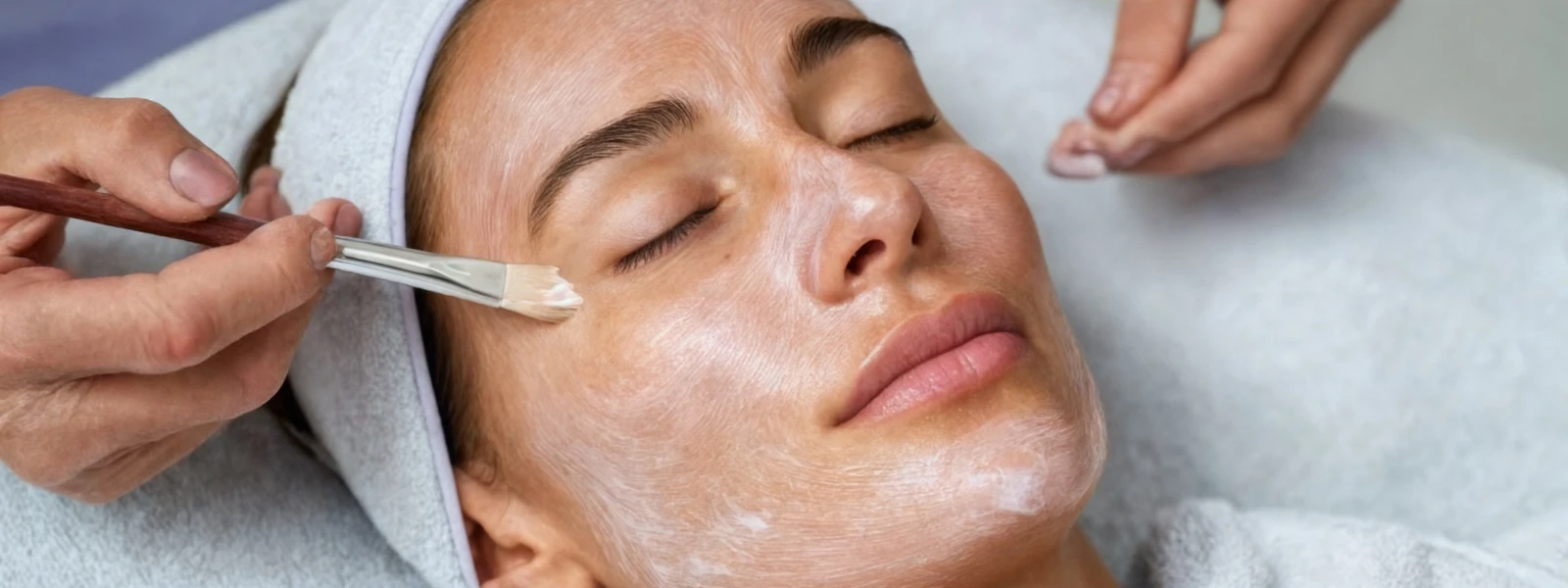
Professional treatments can enhance your at-home prevention routine when performed by qualified practitioners. These treatments focus on uneven skin tone correction through gentle, preventive approaches rather than aggressive intervention.
Light chemical peels using glycolic or lactic acid can promote gentle exfoliation and prevent pigmentation buildup. LED light therapy may help reduce inflammation and support healthy cell turnover. Regular professional facials can also help maintain skin health and catch potential issues early.
Seek professional help if you notice sudden changes in pigmentation, asymmetrical or irregular spots, or if over-the-counter prevention methods aren't providing adequate results after 3-4 months of consistent use.
Prevention is key to stopping new hyperpigmentation. Use daily broad-spectrum sunscreen, incorporate proven ingredients like vitamin C and niacinamide, maintain a gentle skincare routine, and avoid picking at blemishes or irritating the skin.
Most people notice improvements in skin tone and reduced new pigmentation formation within 8-12 weeks of consistent prevention practices. However, preventing new spots is an ongoing process that requires daily commitment.
Vitamin C is more effective for prevention than removal of existing spots. While it may help lighten some discoloration over time, its primary benefit lies in preventing new pigmentation from forming through antioxidant protection.
Prevention focuses on stopping new pigmentation before it forms using gentle, protective methods. Treatment targets existing spots with more intensive approaches. Prevention is generally safer, more sustainable, and less likely to cause irritation.
Some natural ingredients like aloe vera, green tea, and licorice extract can support pigmentation prevention when used consistently. However, they work best when combined with proven methods like sunscreen use and established active ingredients.
Preventing facial pigmentation safely requires a comprehensive approach combining daily sun protection, proven active ingredients, and healthy lifestyle practices. Remember that consistency is crucial for success, and prevention is always more effective than trying to reverse existing damage. Start with gentle methods, be patient with results, and don't hesitate to seek professional guidance when needed. By following these evidence-based strategies, you can maintain clear, even-toned skin while avoiding the risks associated with aggressive treatment methods.
