


How to Treat Hyperpigmentation Naturally
Your Cart
0You May Also Like
Dark spots, uneven skin tone, and stubborn patches of discoloration can feel overwhelming. But here's the good news: your kitchen and nature's pharmacy hold powerful natural hyperpigmentation solutions that can transform your skin without harsh chemicals. From vitamin C-rich citrus fruits to gentle plant extracts, these time-tested remedies work by targeting melanin production at its source. Whether you're dealing with melasma from pregnancy, age spots from sun exposure, or post-acne marks, natural approaches offer safe, effective alternatives that respect your skin's delicate balance.
Hyperpigmentation happens when your skin produces too much melanin, creating those frustrating dark patches that seem to appear overnight but take forever to fade. Understanding what you're dealing with helps you choose the right hyperpigmentation treatment approach. The most common culprits include sun damage from UV exposure, hormonal fluctuations during pregnancy or menopause, and inflammation from acne or injuries. Your genetics also play a role in how your skin responds to these triggers.
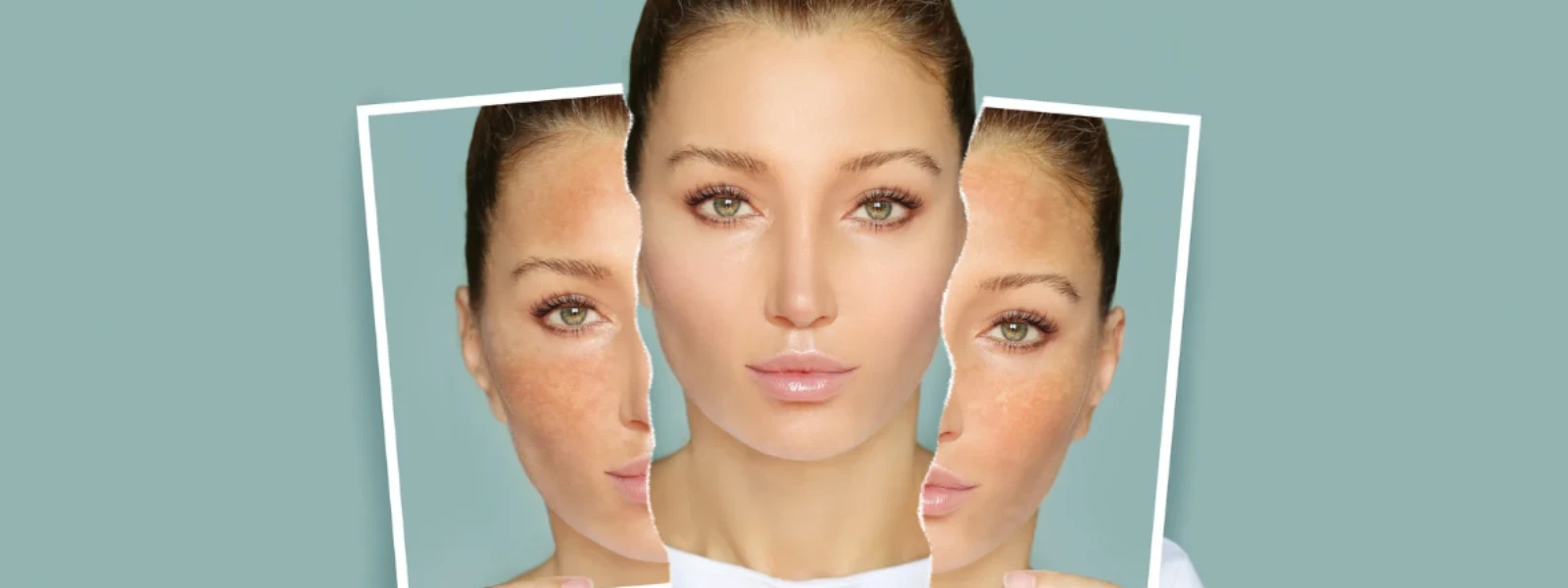
Melasma typically appears as brown patches on the face, especially during pregnancy or when taking hormonal medications. Post-inflammatory hyperpigmentation shows up after acne, cuts, or other skin trauma. Age spots and sunspots develop from years of sun exposure, while acanthosis nigricans creates dark, velvety patches often around the neck.
Sun exposure remains the biggest trigger for most types of hyperpigmentation. UV rays stimulate melanocytes to produce excess melanin as a protective response. Hormonal changes, particularly during pregnancy or from birth control, can trigger melasma. Inflammation from acne, eczema, or injuries also signals your skin to produce more pigment.
Natural ingredients work through multiple pathways to address hyperpigmentation. Some inhibit tyrosinase, the enzyme responsible for melanin production. Others accelerate cell turnover to help pigmented cells shed faster. Many natural remedies also provide anti-inflammatory benefits that prevent new dark spots from forming.
Nature provides powerful compounds that rival synthetic ingredients in their ability to fade dark spots and correct uneven skin tone. These natural alternatives work gently but effectively, often with fewer side effects than their chemical counterparts. The key lies in understanding which natural ingredients have scientific backing and how to use them properly for maximum benefit.
Vitamin C stands as one of the most researched natural skin brighteners. It works by inhibiting tyrosinase and providing antioxidant protection against free radical damage. Fresh lemon juice contains natural vitamin C, but stable forms like magnesium ascorbyl phosphate work better for sensitive skin. Apply vitamin C treatments in the morning for best results.
Natural AHAs gently exfoliate the skin's surface, helping pigmented cells shed faster. Lactic acid from sour milk or yogurt provides gentle exfoliation perfect for sensitive skin. Glycolic acid naturally occurs in sugar cane and offers deeper penetration. Citric acid from citrus fruits combines exfoliation with vitamin C benefits.
Several plants produce compounds that naturally inhibit melanin production. Kojic acid from rice fermentation effectively lightens dark spots without irritation. Arbutin from bearberry extract provides gentle lightening action. These natural alternatives offer similar benefits to hydroquinone without the associated risks.
Your kitchen likely contains several powerful ingredients for treating hyperpigmentation naturally. These accessible remedies have been used for centuries and now have scientific research supporting their effectiveness for skin discoloration remedies. The beauty of natural treatments lies in their gentle action and minimal side effects when used properly.
Lemon juice mixed with honey creates a powerful mask that combines citric acid exfoliation with honey's moisturizing properties. Apply this mixture for 15-20 minutes twice weekly. Turmeric paste with milk harnesses curcumin's anti-inflammatory effects while lactic acid gently exfoliates. Fresh potato juice contains vitamin C and natural enzymes that help lighten dark spots when applied daily.
Aloe vera gel contains aloin, a compound that naturally inhibits melanin production. Apply fresh aloe gel twice daily for best results. Licorice root extract provides glabridin, which effectively suppresses melanin without irritation. Green tea extract offers EGCG antioxidants that protect against further damage while supporting skin repair.
Rosehip seed oil delivers natural vitamin A and essential fatty acids that support skin renewal. Apply a few drops nightly after cleansing. Jojoba oil serves as an excellent carrier for essential oils like frankincense or carrot seed oil. A gentle scrub made from coconut oil and baking soda provides physical exfoliation to help remove pigmented cells.
Different types of hyperpigmentation respond better to specific natural treatments. Understanding your particular condition helps you choose the most effective approach for melasma treatment, sunspots removal, or age spot reduction. Tailoring your treatment to your specific needs increases your chances of success while minimizing potential irritation.
Pregnancy-safe options include vitamin C from natural sources, aloe vera gel, and gentle fruit enzymes from papaya or pineapple. Avoid strong acids and stick to gentle, nourishing treatments. Remember that hormonal melasma often fades naturally after pregnancy, so patience is key.
Mature skin benefits from gentle exfoliation combined with nourishing oils. Rice water contains natural kojic acid and vitamins that help fade age spots gradually. Combine this with rosehip oil for added vitamin A benefits. Focus on consistency rather than intensity for best results.
Post-sun exposure care should include cooling aloe vera gel followed by vitamin C treatment. Apple cider vinegar diluted with water makes an effective toner for treating existing sunspots. Always follow sun exposure with antioxidant-rich treatments to prevent further damage.
Success with natural hyperpigmentation treatment requires consistency and patience. Building a routine that fits your lifestyle increases your chances of sticking with it long enough to see results. A well-structured routine addresses different aspects of hyperpigmentation while supporting overall skin health.
Start with gentle cleansing using honey or milk to preserve your skin's natural barrier. Apply vitamin C treatment from fresh citrus juice or stable vitamin C sources. Follow with a light moisturizer and natural sun protection using zinc oxide or protective clothing.
Evening routines focus on treatment and repair. Use gentle exfoliation 2-3 times weekly with natural AHAs or physical scrubs. Apply targeted treatments like potato juice or licorice extract to dark spots. Finish with nourishing oils like rosehip or jojoba to support overnight repair.
Once weekly, use more intensive treatments like turmeric masks or apple cider vinegar peels. These deeper treatments help accelerate results while giving your skin time to recover between applications. Track your progress with photos to stay motivated.
Natural treatments work more slowly than chemical peels or laser treatments, but they offer gentler, more sustainable results. Understanding realistic timelines helps maintain motivation during your uneven skin tone correction journey. Patience becomes your greatest asset when working with natural remedies, as they require time to show their full potential.
During the first two weeks, you'll notice improved skin texture and brightness. Month one brings visible lightening of newer, surface-level pigmentation. Months three to six show significant improvement in deeper pigmentation. Long-term maintenance prevents new spots from forming.
Your skin type, the depth of pigmentation, and consistency of application all influence results. Darker, deeper pigmentation takes longer to fade than surface-level discoloration. Environmental factors like sun exposure and stress can slow progress.
While natural ingredients are generally safer than synthetic alternatives, they still require proper use to avoid irritation or adverse reactions. Understanding safety guidelines ensures effective treatment without unwanted side effects. Even natural ingredients can cause reactions in sensitive individuals, making patch testing essential before full application.
Always test new ingredients on a small patch of skin before full application. Apply the treatment to your inner wrist and wait 24-48 hours for any reaction. Watch for redness, itching, or burning sensations that indicate sensitivity.
Natural treatments can increase photosensitivity, making sun protection crucial. Use mineral sunscreens with zinc oxide or titanium dioxide. Wear protective clothing and seek shade during peak sun hours. Without proper protection, new pigmentation can form faster than treatments can fade existing spots.
Yes, hyperpigmentation can fade naturally through your skin's renewal process, but it typically takes 6-12 months or longer. Natural treatments can accelerate this process significantly while providing additional skin benefits.
Pregnant women should use gentle, pregnancy-safe ingredients like vitamin C from natural sources, aloe vera, and kojic acid from rice water while avoiding retinoids and hydroquinone. Always consult your healthcare provider before starting new treatments.
Sun exposure, hormonal fluctuations, inflammation, and picking at dark spots can worsen hyperpigmentation. Stress and certain medications can also trigger increased melanin production.
Natural treatments typically show initial results in 2-4 weeks, with significant improvement visible after 3-6 months of consistent use. Patience and consistency are key to success with natural approaches.
Yes, but introduce new treatments gradually to avoid irritation. Start with one treatment and add others slowly, always patch testing first. Some combinations work synergistically for better results.
Natural hyperpigmentation solutions offer a gentle, effective path to clearer, more even-toned skin. While they require patience and consistency, these time-tested remedies work with your skin's natural processes rather than against them. Remember that sun protection remains the most important step in any hyperpigmentation treatment plan. With dedication and the right natural ingredients, you can achieve the radiant, even complexion you desire while nourishing your skin with nature's most powerful compounds.
