


How to Fix Skin Discoloration: Causes and Treatments
Your Cart
0You May Also Like
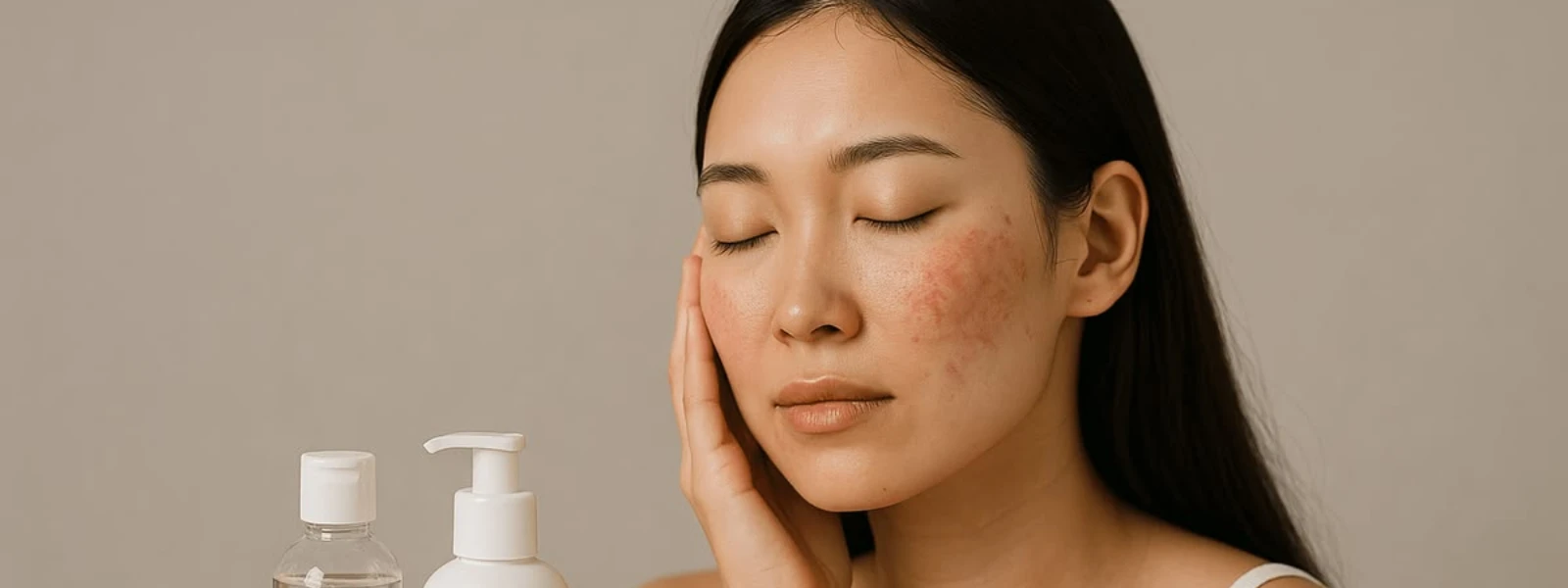
Dealing with uneven skin tone can feel overwhelming, especially when dark spots seem to appear out of nowhere. Whether you're battling stubborn age spots, melasma patches, or post-acne marks, understanding how to fix skin discoloration starts with knowing what's causing it. The good news? Most forms of hyperpigmentation respond well to the right combination of treatments, patience, and consistent care. From gentle at-home remedies to professional procedures, there are proven solutions that can help restore your skin's natural radiance and boost your confidence along the way.
Not all dark spots are created equal, and identifying the type of skin discoloration you're dealing with is the first step toward effective treatment. Each type has different triggers and responds to specific approaches, making proper identification crucial for success.
Melasma appears as symmetrical brown or gray patches, typically on the face, and is often triggered by hormonal changes during pregnancy or from birth control use. Post-inflammatory hyperpigmentation develops after skin trauma like acne, cuts, or burns, leaving behind darker marks where the injury occurred.
Solar lentigines, commonly called age spots or sunspots, result from years of UV exposure and typically appear on areas like hands, face, and shoulders. These flat, brown spots are among the most common forms of skin discoloration in adults over 40.
Understanding hyperpigmentation causes helps you tackle the problem at its source while preventing future discoloration. Most skin pigmentation issues stem from an overproduction of melanin, the pigment that gives skin its color.
Sun exposure remains the leading cause of skin discoloration, with UV rays triggering melanin production as a protective response. Hormonal fluctuations during pregnancy, menopause, or from medications can also stimulate excess pigment production, particularly in women.
Certain medications, including some antibiotics and chemotherapy drugs, can cause drug-induced pigmentation. Inflammatory skin conditions like eczema or acne create an environment where dark spots on skin are more likely to develop and persist.
When at-home treatments aren't delivering the results you want, professional skin discoloration treatment options can provide more dramatic and faster improvements. These procedures work by targeting melanin deposits or accelerating skin cell turnover.
Laser treatments like Q-switched and picosecond lasers specifically target melanin without damaging surrounding tissue. IPL (Intense Pulsed Light) therapy uses broad-spectrum light to break down pigment clusters, making it particularly effective for sunspots removal and general skin brightening.
Professional chemical peels use stronger concentrations of acids to remove damaged skin layers and reveal fresher, more even-toned skin underneath. Microneedling combined with topical treatments can enhance product penetration and stimulate natural skin renewal processes.
Many people achieve significant improvement in uneven skin tone using consistent at-home treatments. The key is choosing the right active ingredients and using them properly to maximize their effectiveness.
Vitamin C serums provide powerful antioxidant protection while inhibiting melanin production, making them excellent for both treatment and prevention. Retinoids accelerate cell turnover, helping fade existing spots while preventing new ones from forming.
Other effective ingredients include:
Niacinamide - Reduces melanin transfer and improves skin barrier function
Kojic acid - Inhibits tyrosinase enzyme involved in melanin production
Azelaic acid - Provides gentle exfoliation with anti-inflammatory benefits
Alpha arbutin - Natural hydroquinone alternative for gentle lightening
Start with one active ingredient and gradually introduce others to avoid irritation. Morning routines should focus on antioxidants like vitamin C and sun protection, while evening routines can incorporate stronger actives like retinoids or acid treatments.
For those preferring gentler approaches, several natural remedies for hyperpigmentation have shown promising results in clinical studies. While these options work more slowly than synthetic alternatives, they're often better tolerated by sensitive skin.
Licorice root extract contains glabridin, a compound that inhibits tyrosinase activity and provides gentle lightening effects. Aloe vera gel with natural aloin compounds can help fade dark spots while soothing inflammation.
Green tea extract applied topically provides polyphenol protection against further damage while supporting skin healing. Turmeric masks, when used consistently, can help reduce inflammation and gradually improve skin tone, though results take patience and persistence.
Different types of pigmentation require tailored treatment strategies for optimal results. Understanding these specific approaches helps you choose the most effective path for your particular concerns.
Melasma treatment requires a gentle but persistent approach, as this condition is notoriously stubborn and prone to recurrence. Triple combination creams containing hydroquinone, tretinoin, and a mild steroid often provide the best results when used under dermatological supervision.
Age spots treatment typically responds well to both topical treatments and professional procedures. Consistent use of retinoids combined with vitamin C can gradually fade these spots, while laser treatments can provide faster results for stubborn areas.
The most effective approach to managing skin discoloration combines active treatment with robust prevention strategies. Protecting your skin from future damage ensures that your hard-earned results last longer and prevents new spots from forming.
Broad-spectrum sunscreen with at least SPF 30 should be applied daily, regardless of weather or season. Look for formulas containing iron oxides, which provide additional protection against visible light that can trigger melasma and other pigmentation issues.
Avoiding peak sun hours between 10 AM and 4 PM significantly reduces UV exposure. Wearing wide-brimmed hats and UV-protective clothing provides additional defense, especially during outdoor activities or extended sun exposure.
Most topical treatments show initial improvements within 4-6 weeks, with significant results becoming visible after 3-6 months of consistent use. Professional treatments may show faster results but often require multiple sessions spaced several weeks apart.
While most forms of hyperpigmentation can be significantly improved, complete elimination isn't always possible, especially for deep or long-standing discoloration. However, consistent treatment can achieve substantial fading and prevent new spots from forming.
Natural remedies work more slowly than synthetic alternatives but can be effective with patience and consistency. They're often better tolerated by sensitive skin and can be excellent maintenance options once initial improvement is achieved.
Daily sun protection is the most crucial step, as continued UV exposure can worsen existing discoloration and trigger new spots. Without proper sun protection, even the most effective treatments will have limited long-term success.
Successfully addressing skin discoloration requires a comprehensive approach that combines the right treatments with consistent prevention strategies. Whether you choose professional procedures, at-home treatments, or natural remedies, patience and persistence are essential for achieving lasting results. Remember that skin pigmentation correction is a gradual process, and protecting your skin from further damage is just as important as treating existing spots. Start with gentle, proven ingredients, maintain realistic expectations, and don't hesitate to consult a dermatologist for stubborn or concerning discoloration that doesn't respond to initial treatments.
