


How to Fade Post-Tan: Speed Up Tan Fading Naturally
Your Cart
0You May Also Like
Getting rid of an unwanted tan can feel like an uphill battle, especially when you're dealing with streaky self-tanner or an overly dark sun tan that's overstayed its welcome. Whether you're trying to remove self tanner before a big event or simply want to lighten self tan that turned out darker than expected, the good news is that there are proven methods to speed up the process. Understanding how to fade post-tan effectively involves combining the right techniques with patience, as your skin naturally sheds and renews itself. From gentle exfoliation methods to targeted treatments, we'll explore safe and effective ways to help you achieve the even skin tone you're looking for.
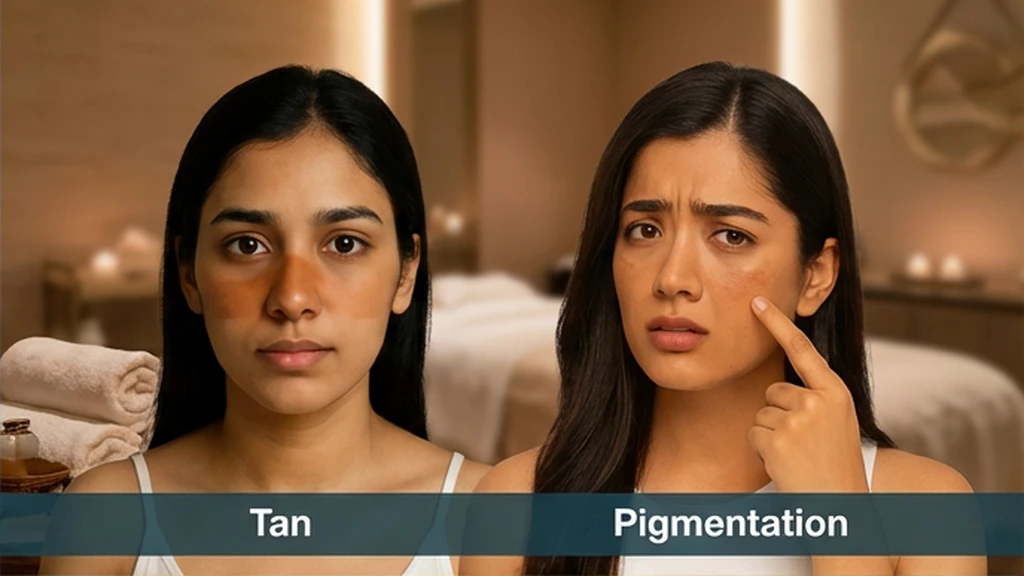
When your skin develops a tan, whether from sun exposure or self-tanning products, you're essentially dealing with increased melanin production or artificial color deposits in your skin's outer layers. Natural sun tans occur when UV rays trigger melanocytes to produce more melanin as a protective response. This process can take weeks to fade naturally as your skin cells turnover.
Self-tanners and spray tans work differently by using DHA (dihydroxyacetone) that reacts with amino acids in your skin's surface to create a brown color. The key difference is that artificial tans only affect the outermost layer of skin, making them easier to remove self tanner compared to deep sun tans that penetrate multiple skin layers.
Several factors determine how long your tan will stick around. Skin type plays a major role - those with naturally oily skin tend to see faster fading because of increased cell turnover. The depth and intensity of your tan also matters, as darker applications take longer to fade completely.
Most self-tanners naturally fade within 5-7 days without intervention, while sun tans can persist for 2-4 weeks. However, with the right approach to speed up tan fading, you can significantly reduce this timeline.
When you need to get rid of spray tan quickly, immediate action is your best friend. Fresh tans that are less than 24 hours old respond much better to removal techniques than older, more set-in color. The sooner you start the removal process, the more successful you'll be.
Professional tan removal products contain specific ingredients designed to break down DHA and lift artificial color from your skin. These products work faster than home remedies but can be more expensive.
Coconut oil, baby oil, and olive oil can help dissolve self-tanner bonds. Apply generously, let it sit for 10-15 minutes, then gently massage in circular motions before showering with warm water.
Mix baking soda with water to create a paste, then gently scrub problem areas. This method works particularly well for stubborn patches and can help fix patchy self tan issues.
Exfoliation is your most powerful tool for removing unwanted tan color. By removing dead skin cells that hold the tan pigment, you're essentially exfoliate fake tan away layer by layer. The key is finding the right balance between effective removal and protecting your skin barrier.
Creating your own tan removal scrub at home can be both effective and gentle on your skin. Natural ingredients often work just as well as commercial products without the harsh chemicals.
Coffee grounds mixed with coconut oil create an excellent scrub that helps remove tan while moisturizing. Sugar scrubs with honey provide gentle exfoliation with added skin-soothing benefits.
Use a natural bristle brush on dry skin before showering. Start from your feet and work upward in circular motions. This method helps lighten self tan while improving circulation.
Exfoliating gloves or mitts can be more effective than scrubs alone. Limit exfoliation to once daily to avoid irritation, and always moisturize afterward to maintain skin health.
Certain ingredients can help break down melanin and artificial tan pigments more quickly than natural skin turnover alone. Vitamin C is particularly effective because it inhibits melanin production while promoting skin renewal. Niacinamide works similarly by reducing pigment transfer and evening out skin tone.
Natural lightening agents like lemon juice contain citric acid that can help fade tan color, though they should be used carefully to avoid irritation. These ingredients work as natural tan remover options when used consistently.
Apply vitamin C serum to clean skin twice daily. Look for stable forms like magnesium ascorbyl phosphate that won't irritate while helping to fade pigmentation.
Cucumber slices, tomato juice, and diluted lemon juice can provide gentle lightening effects. Always patch test first and avoid sun exposure when using citrus-based treatments.
Different areas of your body require different approaches when learning how to fade post-tan effectively. Your face needs gentler treatment than your body, while hands and feet often hold onto color longer due to thicker skin. Understanding these differences helps you how to even out tan more successfully.
Patchy tan areas are particularly frustrating because they create uneven color distribution. The good news is that these areas often respond well to targeted treatment since they typically indicate areas where the tan didn't penetrate as deeply.
Use gentle exfoliants like oatmeal or rice powder mixed with milk. Avoid harsh scrubs that can damage delicate facial skin.
These areas need more intensive treatment. Soak in warm water with baking soda, then use a pumice stone or foot file for gentle removal.
Focus exfoliation on the darker areas while moisturizing lighter areas to help create a more gradual transition between tanned and natural skin.
Beyond basic exfoliation, several advanced home remedies can help you wash off spray tan more effectively. These treatments work by combining multiple mechanisms - some break down pigments, others accelerate skin turnover, and some provide gentle bleaching effects. The key is consistency and patience, as natural methods take time to show results.
Steam treatments can be particularly effective because they open your pores and soften the skin, making it easier to remove tan pigments. This approach works well when combined with gentle exfoliation techniques.
The lactic acid in milk provides gentle exfoliation while honey moisturizes. Apply this mixture as a mask for 15-20 minutes before gently scrubbing off.
Mix turmeric powder with plain yogurt to create a natural lightening mask. The enzymes in yogurt help break down pigments while turmeric provides anti-inflammatory benefits.
Take long, warm showers or use a facial steamer to soften skin before exfoliation. Follow with intensive moisturizing to support healthy skin turnover.
While learning how to fade post-tan is important, preventing unwanted tan buildup is equally valuable. Proper moisturizing during the fading process helps control how evenly your tan disappears, preventing the patchy look that can occur with uneven fading. Sun protection is crucial during tan removal because freshly exfoliated skin is more sensitive to UV damage.
Understanding the difference between gradual fading and rapid removal helps you choose the right approach for your situation. Gradual methods are gentler on your skin but take longer, while rapid removal techniques work faster but require more careful skin barrier protection.
Use a gentle, fragrance-free moisturizer twice daily to support healthy skin turnover and prevent flaking that can create uneven color.
Start tan removal at least one week before important events to allow time for your skin to recover and achieve the desired result.
The fastest way to fade a tan combines daily exfoliation with vitamin C treatments and professional tan removal products. For self-tanners, oil-based removal followed by gentle scrubbing can show results within 24-48 hours. Natural sun tans take longer but respond well to consistent exfoliation and skin-lightening ingredients.
Focus on ingredients that inhibit melanin production like vitamin C, niacinamide, and kojic acid. Combine these with gentle exfoliation using natural scrubs made from sugar, coffee grounds, or oatmeal. Consistent moisturizing helps support healthy skin turnover for more even fading.
Fresh tans are easiest to remove. Apply coconut oil or baby oil liberally, let it sit for 15 minutes, then gently scrub with a washcloth in the shower. Follow with a baking soda paste on stubborn areas. Most 1-day old self-tanners will fade significantly with this method.
Yes, both natural and artificial tans will eventually fade completely as your skin naturally renews itself. Self-tanners typically fade within 1-2 weeks, while sun tans can take 4-6 weeks to disappear entirely. Using the right fading techniques can speed up this process significantly.
Self-tanners only affect the skin's surface and respond well to oil-based removal and exfoliation. Natural sun tans involve deeper melanin production and require ingredients that address pigmentation at the cellular level, like vitamin C and niacinamide, combined with consistent exfoliation over a longer period.
Successfully fading post-tan requires understanding the type of tan you're dealing with and choosing the right combination of techniques. Self-tanners respond quickly to oil-based removal and exfoliation, while natural sun tans need more patience and targeted treatments with skin-lightening ingredients. Remember that consistency is more important than intensity - gentle daily treatment will give you better results than aggressive scrubbing that can damage your skin barrier.
The key to even fading is maintaining proper skin hydration throughout the process and protecting your skin from further sun exposure. Whether you're dealing with a patchy self-tan mishap or trying to fade summer color before fall, these natural and effective methods will help you achieve the even skin tone you're looking for safely and efficiently.
