


How to Fade Beach Tan Fast: Natural Tan Removal Tips
Your Cart
0You May Also Like
That post-vacation glow might look amazing in photos, but when you're back to reality, you might be wondering how to fade beach tan quickly. Unlike fake tans that wash off easily, beach tans penetrate deeper into your skin through melanin production. The good news? With the right approach combining gentle exfoliation, natural remedies, and consistent skincare, you can speed up the tan removal process significantly. Let's explore proven methods to restore your original skin tone safely and effectively.
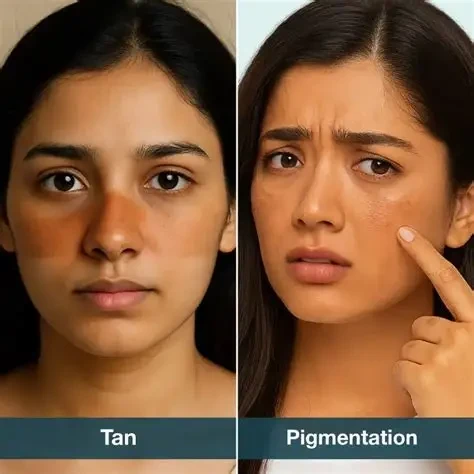
Beach tans form when UV rays trigger melanin production deep in your skin cells as a protective mechanism. This process creates lasting pigmentation that's quite different from surface-level fake tans. The melanin gets distributed unevenly, often leading to hyperpigmentation after tan and patchy areas that fade at different rates.
Common problem areas include your face, shoulders, back, and legs where sun exposure was most intense. You might notice uneven skin tone after tan because areas like your forehead and nose received more UV exposure than areas covered by hair or clothing. Understanding this helps set realistic expectations for your tan removal journey.
Your skin naturally sheds dead cells every 28 to 40 days through cellular turnover. This means most beach tans will fade significantly within 4-6 weeks without any intervention. However, several factors affect this timeline including your skin type, the depth of your tan, and your age.
Younger skin typically sheds cells faster, while mature skin may take longer to show tan fading results. Areas with thicker skin like your back and legs often hold onto pigmentation longer than delicate facial skin. Setting realistic expectations helps you stay consistent with your tan removal routine.
The first 48 hours after sun exposure are crucial for minimizing long-term pigmentation. Start with cool compresses and pure aloe vera gel to calm inflammation and prevent deeper melanin formation. Hydrate extensively both internally and externally to support your skin's natural healing process.
Physical exfoliation with soft washcloths or gentle scrubs helps remove tanned surface cells. Limit this to 2-3 times weekly to avoid irritation. Chemical exfoliation using mild AHAs like lactic acid can be more effective for sun tan removal without harsh scrubbing.
Sun exposure damages your skin barrier, making intensive moisturizing essential. Look for ingredients like ceramides, hyaluronic acid, and niacinamide that repair and hydrate while supporting faster cell turnover.
Natural remedies can effectively support your skin's healing process when used consistently. These methods work by gently exfoliating dead cells, providing antioxidants, and supporting healthy cell turnover to reduce tan naturally.
Here are the most effective natural approaches to get rid of tan:
Lemon juice and honey mask: Mix equal parts fresh lemon juice and raw honey. Apply for 15 minutes before rinsing. The citric acid provides gentle exfoliation while honey soothes and moisturizes.
Yogurt and turmeric treatment: Combine 2 tablespoons plain yogurt with a pinch of turmeric. The lactic acid in yogurt exfoliates while turmeric reduces inflammation.
Oatmeal scrub recipe: Blend oats into a fine powder, mix with milk to form a paste. Gently massage in circular motions for natural physical exfoliation.
Cucumber and rose water toner: Blend cucumber with rose water for a cooling, hydrating treatment that soothes sun-damaged skin.
Aloe vera gel application: Use pure aloe vera gel twice daily to heal, soothe, and support natural cell regeneration.
Papaya enzyme mask: Mash ripe papaya and apply for 20 minutes. Natural enzymes gently dissolve dead skin cells.
While natural remedies help, a targeted post-tan skincare routine with proven active ingredients can accelerate results significantly. Consistency is key for seeing improvements in how to lighten skin after tan.
Start with vitamin C serum to brighten and protect against further damage. Follow with broad-spectrum SPF 50 sunscreen to prevent additional pigmentation. Never skip sunscreen during tan removal treatments.
Incorporate gentle retinoids or retinol to boost cell turnover. Start with 2-3 times weekly and gradually increase as your skin adjusts. These ingredients are among the most effective for fade tan fast results.
Use AHA or BHA chemical exfoliants 1-2 times weekly for deeper exfoliation. Glycolic acid and salicylic acid are particularly effective for removing tanned surface cells and preventing clogged pores.
Many people unknowingly sabotage their tan fading tips efforts through common mistakes. Over-exfoliating is the biggest culprit, causing irritation that actually slows healing and can worsen pigmentation.
Avoid these mistakes for better results:
Using harsh bleaching agents or lemon juice undiluted
Skipping sunscreen during treatment periods
Inconsistent application of treatments
Ignoring your skin type and sensitivity levels
Expecting overnight results and giving up too quickly
Combine gentle daily exfoliation, vitamin C serum, retinol treatments, and consistent sunscreen use. Natural remedies like yogurt masks can support the process. Expect visible improvements in 2-3 weeks with consistent effort.
No treatment can remove beach tan overnight safely. Melanin production occurs deep in skin layers and requires time to fade through natural cell turnover. Quick fixes often cause irritation and worsen pigmentation.
Fake tans sit on skin surface and wash off easily with exfoliation. Beach tans involve actual melanin production in deeper skin layers, requiring consistent treatment over weeks to fade naturally.
Facial skin is more delicate and requires gentler treatments. Use lower concentrations of active ingredients and always patch test. Body skin can typically handle stronger exfoliation methods.
Consult a dermatologist if you notice irregular pigmentation, moles changing shape or color, persistent dark spots after 6-8 weeks, or any signs of sun damage beyond normal tanning.
Fading beach tan requires patience and consistency rather than harsh quick fixes. Natural methods like gentle exfoliation, hydrating masks, and proven active ingredients work best when used regularly over 4-6 weeks. Remember that protecting your skin from further sun damage is just as important as treating existing pigmentation. With the right approach, you can safely restore your natural skin tone while maintaining healthy, glowing skin.
