


How to Build Coverage with Tinted SPF
Your Cart
0You May Also Like
If you've been dealing with dark spots that just won't budge, you're not alone. Hyperpigmentation is one of the most common skin concerns for people with Indian and melanin-rich skin — and one of the most frustrating, because it tends to stick around long after the original breakout or irritation has healed. The good news is that sun protection plays a bigger role in fading those spots than most people realise. Knowing how to build coverage with tinted SPF — and layer it correctly — is what makes the difference between a routine that protects and one that actually works on dark spots. Tinted sunscreen gives you light coverage that evens out your skin tone while actively protecting it from the UV exposure that makes dark spots darker. Asaya's range of sunscreens was built with exactly this in mind.
UV exposure is one of the main reasons hyperpigmentation gets worse — daily SPF is non-negotiable if you want dark spots to fade.
Tinted sunscreen gives you light, even coverage while protecting your skin, making it a practical two-in-one for dark spots and uneven tone.
Layering tinted SPF correctly — and reapplying it — is what makes the difference between protection that works and protection that doesn't.
Here's something worth knowing: UV rays don't cause dark spots on their own, but they make existing ones significantly darker. When your skin is exposed to sunlight, it produces more melanin as a defence mechanism. If you already have a patch of excess melanin from a past breakout or irritation, that patch absorbs even more UV energy — and gets darker faster than the surrounding skin. This is why people often notice their dark spots looking worse in summer or after a beach trip. Skipping sunscreen while using brightening actives is a bit like trying to fill a bucket with a hole in it. The actives work to fade pigment, but unprotected UV exposure keeps triggering more. Daily SPF — applied every morning and reapplied through the day — is what lets the fading actually happen.
Layering tinted SPF correctly matters more than most people realise — especially for melanin-rich skin, where UV-triggered pigmentation can be harder to reverse. The order in which you apply your products directly affects how much SPF protection you actually receive. When sunscreen is mixed into a moisturiser or applied beneath other products that haven't fully absorbed, the film it forms on the skin is uneven, which reduces its efficacy. For anyone managing hyperpigmentation, melasma, or post-acne marks, that gap in protection can mean the difference between spots fading and spots deepening.
The right approach is straightforward: apply your serum or moisturiser first, let it absorb for a minute or two, then apply your tinted sunscreen as the last step before you leave the house. Don't mix it into your moisturiser — that dilutes the SPF and reduces how well it protects you. Applying it as a dedicated final layer ensures the protective film forms properly across your skin.
Most people apply about half the amount of sunscreen they actually need. For your face, you're looking at roughly half a teaspoon — or two finger lengths of product. Less than that and you're not getting the SPF level stated on the pack.
Sunscreen breaks down with UV exposure, sweat, and touch. Reapplying every two to three hours is what keeps your protection consistent. If you're wearing tinted SPF, reapplication is easier because it also refreshes your coverage. A spray SPF works well here — the Asaya Sheerscreen Mist SPF 50+ is a clear, quick-drying option that works over makeup and doesn't leave any white residue, making midday reapplication genuinely easy.
Not all sunscreens are built the same. The right one for you depends on your skin type, how much coverage you want, and whether you have specific concerns like sensitivity or active breakouts.
You want something that controls oil without clogging pores. The Asaya Hint of Tint SPF 50 Tinted Sunscreen is a breathable satin-matte formula with 5% Niacinamide and SPF 50 PA++++. It comes in five shades, offers blue-light protection, and works well in humid weather without feeling heavy. For those who want UV protection without tint, the Asaya Sheer Milk Sunscreen SPF 50 PA++++ is another strong option for oily and combination skin — lightweight, non-comedogenic, and designed to sit comfortably under makeup.
Mineral sunscreens sit on top of the skin rather than being absorbed, which makes them less likely to cause irritation. The Asaya Sun Drip Mineral Sunscreen uses non-nano Zinc Oxide alongside Cica and an anti-pollution complex. It's pregnancy-safe, fragrance-free, and designed for skin that tends to react to chemical filters. While it isn't a tinted formula, it's a relevant option for those with sensitive skin who want a reliable mineral base — either as a standalone or layered beneath light coverage. The ultra-fluid texture means no white cast, which is a common concern with mineral formulas.
If fading pigment is your main goal, look for a sunscreen that does more than just protect. The Asaya Spot Light Sunscreen SPF 50 PA++++ contains MelaMe™ Complex, Niacinamide, and Licorice Extract — a combination that works to fade existing dark spots while the SPF prevents new ones from forming.
For many people, yes — especially on days when you want a lighter routine. A tinted sunscreen with good pigment coverage can even out your skin tone and reduce the appearance of dark spots without the weight of a full foundation. The Asaya Hint of Tint SPF 50 Tinted Sunscreen comes in five shades and gives a satin-matte finish that works well as a standalone base.
It does both. The Asaya Spot Light Sunscreen SPF 50 PA++++ contains MelaMe™ Complex alongside Niacinamide and Licorice Extract, which means it's actively working on existing pigmentation while protecting your skin from UV-triggered darkening. Most people see visible fading with consistent daily use over about two weeks.
If you're near windows or on screens for long hours, reapplying once midday is a reasonable habit. UV rays come through glass, and there's emerging evidence that blue light from screens may contribute to pigmentation over time, particularly for those with melasma — so if you're spending long hours in front of a screen, a midday reapplication is a sensible precaution. A spray SPF makes reapplication easy without disturbing your coverage.
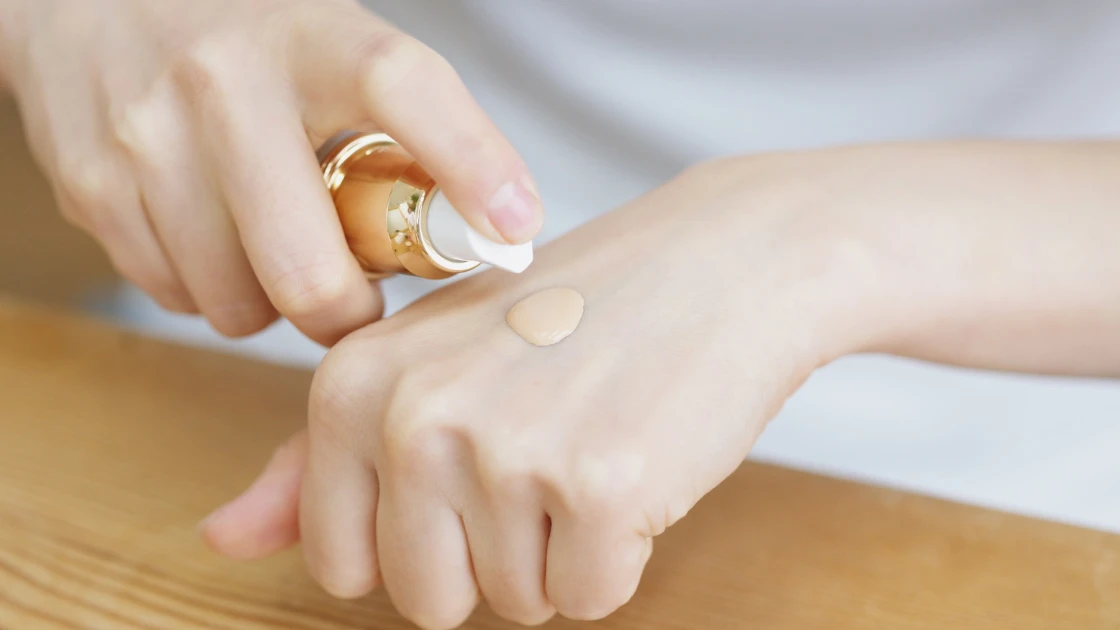
Application technique makes a real difference. Use your fingertips rather than a brush, and pat the product into your skin rather than rubbing it — this helps it meld with your skin tone more naturally and avoids pilling. Applying to skin that's slightly damp (just after moisturiser has absorbed but before it's fully dry) can also help the formula spread more evenly and blend seamlessly into the skin.
Hyperpigmentation takes time to form, and it takes consistent effort to fade. Sun protection is the single most important step you can take to stop dark spots from getting worse — and tinted sunscreen makes that step easier by giving you coverage and protection in one go.
If you want your sunscreen to do more than just protect, Asaya's MelaMe™ Complex is worth understanding. It works by helping your skin break down existing melanin buildup naturally, while slowing down how much new pigment forms — so it's fading what's already there and stopping more from showing up. Most people see visible results within two weeks of consistent use. It's in the Asaya Spot Light Sunscreen SPF 50 PA++++, which means your daily SPF step is also actively working on your pigmentation.
Start with the basics: apply enough, apply it every day, and reapply when you need to. The rest follows from there.
