


Fade Dark Spots for Gen Z: Your FAQ Answered
Your Cart
0You May Also Like
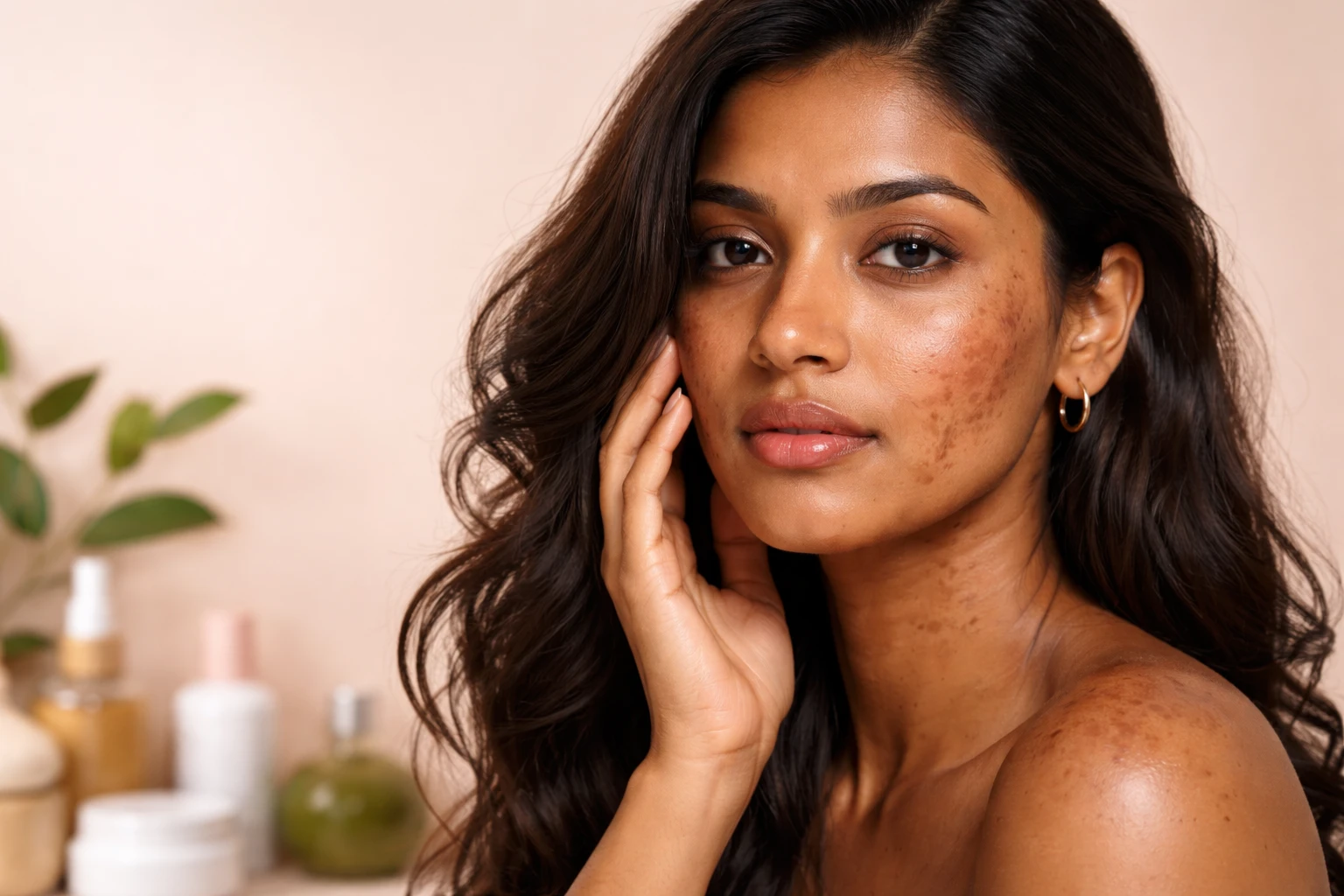
Dark spots and hyperpigmentation have become major skincare concerns for Gen Z, with studies showing that 78% of young adults aged 18-25 experience some form of post-acne marks or uneven skin tone. Unlike previous generations who might have accepted these marks as inevitable, today's Gen Z is actively seeking fade dark spots for gen z solutions that work fast and fit their busy lifestyles. From late-night study sessions to social media pressure for flawless selfies, young adults are dealing with unique skin challenges that require targeted, evidence-based approaches. The good news? With the right knowledge and consistent routine, achieving an even, radiant complexion is absolutely achievable for young skin.
Gen Z skin faces unique challenges that previous generations didn't encounter. The combination of increased screen time, environmental stressors, and hormonal fluctuations creates the perfect storm for hyperpigmentation treatment gen z needs. Understanding what causes these dark spots is the first step toward effective treatment.
Post-acne marks top the list of concerns for young skin. When acne heals, it often leaves behind dark patches called post-inflammatory hyperpigmentation (PIH). This happens because inflammation triggers excess melanin production, creating those stubborn marks that can last months without proper treatment.
Sun damage accumulates faster than most Gen Z individuals realize. Despite growing awareness about SPF, many young adults still skip daily sunscreen application, leading to premature dark spots and uneven tone. Hormonal fluctuations during late teens and early twenties also contribute significantly to melasma and other pigmentation issues.
Post-inflammatory hyperpigmentation appears as flat, discolored patches where acne once was. These marks are typically brown or black and fade gradually over time with proper teen skincare dark spots treatment. Unlike true acne scars, PIH doesn't involve texture changes and responds well to topical treatments.
The skincare industry offers numerous ingredients claiming to fade dark spots, but only a few have solid scientific backing for dark spot corrector for young skin applications. Understanding these ingredients helps Gen Z make informed choices without falling for marketing hype.
Niacinamide stands out as one of the gentlest yet most effective ingredients for young skin. At concentrations of 10-20%, it reduces melanin transfer to skin cells while strengthening the skin barrier. This makes it perfect for sensitive Gen Z skin that's still developing tolerance to active ingredients.
Vitamin C in the form of L-Ascorbic Acid provides dual benefits: antioxidant protection against future damage and active spot-fading properties. For best results, look for concentrations between 10-20% in stable formulations that won't oxidize quickly.
Kojic acid has gained popularity as a natural tyrosinase inhibitor, effectively blocking the enzyme responsible for melanin production. When combined with other brightening agents, it creates powerful brightening serum for gen z formulations that show visible results within 2-4 weeks of consistent use.
Creating an effective routine for even skin tone gen z goals requires strategic layering of products and ingredients. The key lies in consistency rather than using every trending product on the market.
Start with a gentle cleanser that removes overnight buildup without stripping the skin. Follow with a vitamin C serum to provide antioxidant protection throughout the day. The most crucial step is applying broad-spectrum SPF 30 or higher, as sun protection prevents new dark spots while existing ones fade.
Evening routines focus on post-acne marks treatment through active ingredients. After cleansing, apply niacinamide or retinoid products, depending on your skin's tolerance. Always follow with a moisturizer to maintain skin barrier health, which is essential for proper healing and pigment turnover.
While consistent at-home care forms the foundation of acne scar removal gen z efforts, some cases benefit from professional intervention. Understanding when to seek dermatological help versus continuing with over-the-counter options saves time and money.
Deep, persistent dark spots that haven't responded to 12 weeks of consistent at-home treatment may require professional intervention. Chemical peels using glycolic or salicylic acid can accelerate cell turnover, revealing fresh, even-toned skin underneath.
The majority of Gen Z pigmentation concerns respond well to consistent at-home care. The key is choosing products with clinically proven concentrations of active ingredients and using them consistently for at least 8-12 weeks before evaluating results.
Effective skincare for hyperpigmentation gen z doesn't require breaking the bank. Many affordable options contain the same active ingredients as expensive alternatives, just in different packaging and concentrations.
Focus on ingredient lists rather than brand names when shopping for reduce dark patches gen z products. A ₹500 niacinamide serum with 10% concentration works just as effectively as a ₹3000 luxury version with the same active ingredient percentage.
Gen Z's enthusiasm for skincare sometimes leads to over-treatment and ingredient conflicts that actually worsen pigmentation. Understanding these common pitfalls helps achieve youthful skin complexion goals faster.
Using multiple acids simultaneously or applying retinoids with vitamin C can cause irritation that leads to more dark spots. Start with one active ingredient and gradually introduce others once your skin builds tolerance.
Most people notice initial improvements within 4-6 weeks of consistent use, with significant fading occurring by 8-12 weeks. Deeper pigmentation may take up to 6 months to fully resolve. The key is patience and consistency with your routine.
Yes, but introduce them gradually. Start with one ingredient for 2-3 weeks, then slowly add others. Niacinamide pairs well with most ingredients, while vitamin C and retinoids should be used at different times of day to avoid irritation.
Some natural ingredients like kojic acid and arbutin have proven efficacy, but they generally work slower than synthetic alternatives. Lemon juice and other DIY remedies can actually worsen pigmentation due to photosensitivity, so stick to clinically proven natural ingredients in proper formulations.
While the basic approach remains similar, melasma often requires stronger treatments than post-acne marks. Sun spots respond well to vitamin C and niacinamide, while hormonal pigmentation may need retinoids or professional treatment for best results.
Gentle ingredients like niacinamide and vitamin C are safe for teens. Retinoids should be introduced carefully after age 16, starting with low concentrations. Always use sunscreen when using any active ingredients, as they can increase photosensitivity.
This is normal with active ingredients that increase cell turnover. As deeper pigmentation rises to the surface, spots may temporarily appear darker. This "purging" phase typically lasts 2-4 weeks before improvement becomes visible.
Achieving clear, even-toned skin requires patience, consistency, and the right combination of ingredients for your specific concerns. Gen Z has access to more effective and affordable skincare options than any previous generation, making it entirely possible to fade dark spots and maintain healthy skin throughout your twenties and beyond. Remember that sun protection remains the most important step in both preventing new dark spots and allowing existing treatments to work effectively. Start with gentle, proven ingredients, build your routine gradually, and don't hesitate to seek professional guidance for persistent concerns that don't respond to consistent at-home care.
