


Facial Pigmentation on Indian Skin: Your FAQ Answered
Your Cart
0You May Also Like
If you've ever wondered why does facial pigmentation happen to indian skin types more frequently than others, you're not alone. Many people with Indian skin tones notice dark spots, uneven patches, and stubborn pigmentation that seems harder to fade. The truth is, Indian skin has unique characteristics that make it both beautifully resilient and more prone to pigmentation challenges. Understanding these factors can help you make better skincare choices and manage pigmentation more effectively. Let's dive into the most common questions about facial pigmentation on Indian skin and get you the answers you need.
Indian skin typically falls under Fitzpatrick skin types IV to VI, which means it naturally produces more melanin than lighter skin tones. While this extra melanin acts as built-in sun protection, it also makes the skin more reactive to various triggers. When your skin encounters inflammation, hormonal changes, or UV exposure, those melanin-producing cells called melanocytes go into overdrive.
The result? Hyperpigmentation causes indian skin to develop dark spots and uneven patches more easily than lighter skin tones. Think of it like having a very sensitive alarm system - it's great for protection, but it can also go off when you don't really need it to.
Melanin works like your skin's natural sunscreen, absorbing harmful UV rays before they can damage deeper skin layers. However, this protective mechanism can sometimes work too well. When your skin detects any threat - whether it's sun exposure, acne, or even friction from tight clothing - it produces extra melanin as a defense response.
Your family history plays a huge role in how your skin responds to pigmentation triggers. If your parents or grandparents dealt with dark spots on indian face or melasma, you're more likely to experience similar issues. Additionally, living in India's intense tropical and subtropical climate means year-round UV exposure, which keeps those melanocytes constantly active.
Not all dark spots are created equal. Understanding the different types of pigmentation can help you choose the right treatment approach. Each type has its own triggers and responds differently to various treatments.
Melasma treatment indian skin requires special attention because this type of pigmentation is deeply rooted in hormonal changes. You'll typically see symmetrical brown or gray patches on your cheeks, forehead, nose bridge, or upper lip. Pregnancy, birth control pills, and hormone replacement therapy are common triggers.
This is probably the most frustrating type for many people. Post-inflammatory hyperpigmentation indian skin develops after any kind of skin injury or inflammation. That pimple you picked last month? It can leave a dark mark that lasts for months. Even something as simple as a mosquito bite or razor burn can trigger this response in reactive Indian skin.
Sun spots indian skin typically appear on areas that get the most sun exposure - your face, hands, and shoulders. These develop gradually over years of UV exposure and become more noticeable as you age. They're usually flat, brown spots that can range from light tan to dark brown.
Understanding what triggers pigmentation in the first place is crucial for both treatment and prevention. For Indian skin, several factors work together to create the perfect storm for pigmentation issues.
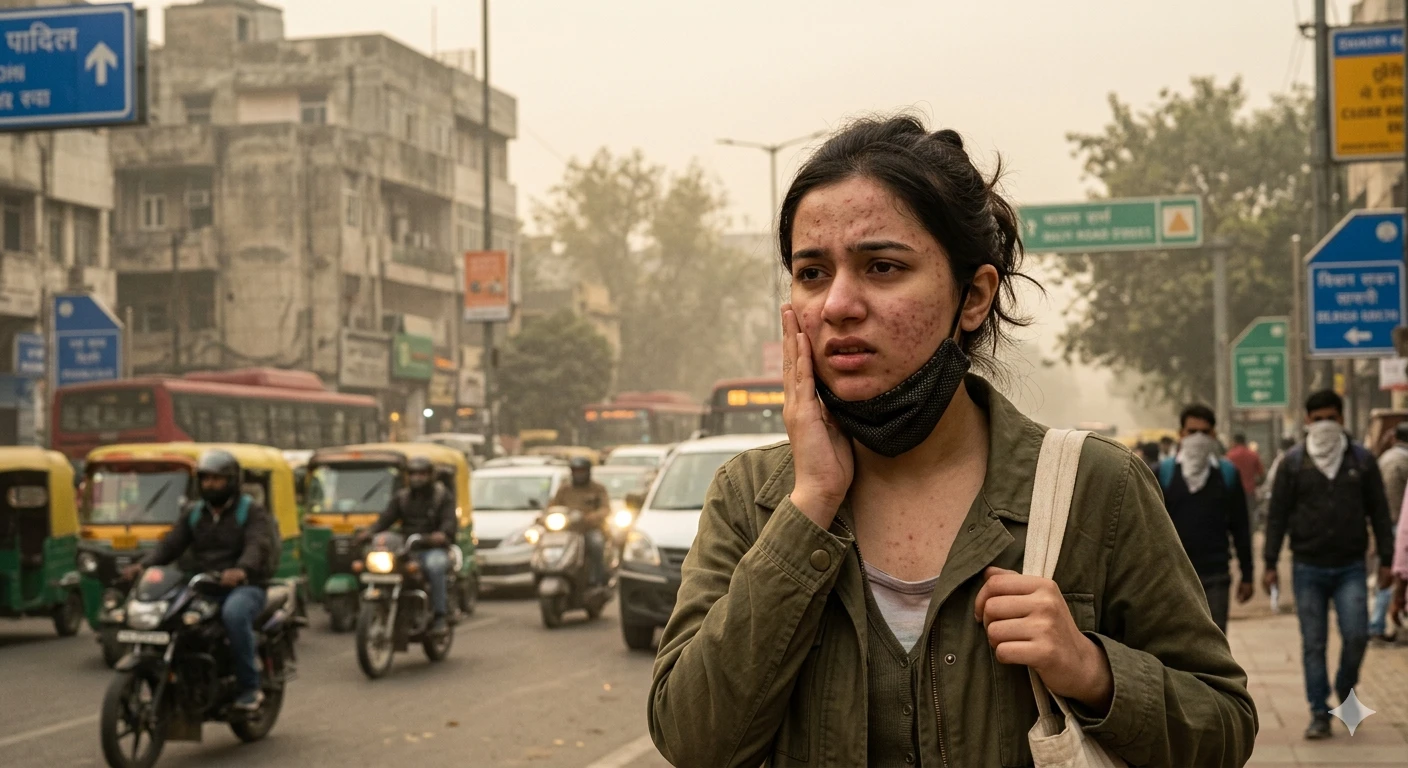
India's climate presents unique challenges. The intense UV radiation, especially during summer months, can trigger pigmentation even with brief sun exposure. Air pollution in major cities adds another layer of oxidative stress that can worsen uneven skin tone indian individuals often struggle with.
Hormonal changes during pregnancy, menstrual cycles, or conditions like PCOS can significantly impact pigmentation. These hormones directly influence melanin production, which is why many women notice their pigmentation getting worse during certain life phases.
Sometimes well-meaning skincare practices can backfire. Over-scrubbing, using harsh ingredients, or trying too many products at once can irritate the skin and trigger more pigmentation. Even certain traditional remedies, while natural, can sometimes cause more harm than good if not used properly.
The good news is that pigmentation on Indian skin is treatable, though it requires patience and the right approach. Skin pigmentation remedies for brown skin work best when they're gentle yet effective, targeting the pigmentation without causing irritation that could make things worse.
Dermatologists can offer several skin lightening treatments indian skin can safely tolerate. Chemical peels with glycolic acid or lactic acid can help speed up cell turnover and fade dark spots. However, it's crucial to work with a dermatologist experienced with darker skin tones, as some treatments that work well on lighter skin can cause more pigmentation on Indian skin.
Several ingredients have proven effective for treating pigmentation on Indian skin. Vitamin C serums can help brighten existing spots and prevent new ones. Niacinamide is particularly gentle and effective for sensitive Indian skin. Kojic acid and arbutin are also excellent options that work well without causing irritation.
Acne scars indian skin pigmentation requires a two-pronged approach: treating the acne to prevent new spots and fading existing marks. Salicylic acid can help with both by keeping pores clear and gently exfoliating the skin surface.
While treating existing pigmentation is important, prevention is always easier than cure. The key is protecting your skin from the triggers that cause pigmentation in the first place.
Sunscreen isn't optional for Indian skin - it's essential. Look for broad-spectrum SPF 30 or higher, and reapply every two hours when you're outdoors. Even on cloudy days, UV rays can penetrate and trigger pigmentation.
Avoid aggressive scrubbing or picking at your skin. Use lukewarm water instead of hot water for cleansing, and pat your skin dry instead of rubbing. These small changes can prevent unnecessary irritation that leads to pigmentation.
If you have conditions like PCOS or thyroid issues that affect your hormones, working with your doctor to manage these can help reduce pigmentation triggers. Sometimes addressing the root cause makes a bigger difference than topical treatments alone.
Indian skin produces more melanin naturally, which makes it more reactive to triggers like sun exposure, inflammation, and hormonal changes. This higher melanin content means your skin is more likely to develop dark spots as a protective response to perceived threats.
The primary causes of dark patches on face indian skin include sun exposure, hormonal changes (especially during pregnancy or due to PCOS), post-inflammatory hyperpigmentation from acne or injuries, and genetic predisposition. Environmental factors like pollution can also contribute.
Pigmentation on Indian skin typically takes 3-6 months to show significant improvement with consistent treatment. However, some people may see initial results in 2-4 weeks with targeted treatments, while deeper pigmentation can take up to a year to fully fade.
Not always. Some treatments that work well on lighter skin can actually worsen pigmentation on Indian skin. It's important to choose treatments specifically formulated for darker skin tones and to start with lower concentrations of active ingredients.
Melasma isn't necessarily permanent, but it can be persistent and may return if triggered again. With proper treatment and sun protection, many people see significant improvement. However, hormonal melasma may return during pregnancy or with hormonal changes.
Pigmentation appears as flat, discolored patches on the skin surface, while acne scars involve changes in skin texture - either raised or depressed areas. Both can occur together, and acne scars indian skin pigmentation often requires treating both the textural changes and the discoloration.
Some natural ingredients like turmeric, licorice root, and vitamin C can be helpful for mild pigmentation. However, they typically work slower than clinical treatments and may not be strong enough for stubborn pigmentation. Always patch test natural remedies first.
You don't need to avoid sun completely, but protection is crucial. Use broad-spectrum sunscreen daily, seek shade during peak hours (10 AM to 4 PM), and wear protective clothing when possible. Even brief unprotected sun exposure can worsen existing pigmentation.
Understanding why does facial pigmentation happen to indian skin types is the first step toward effective treatment and prevention. Your skin's natural melanin production, while protective, makes it more reactive to various triggers. The key to managing pigmentation lies in gentle, consistent care that addresses both existing spots and prevents new ones from forming.
Remember that treating pigmentation on Indian skin requires patience and the right approach. What works for your friend might not work for you, and that's completely normal. Focus on gentle, proven ingredients, never skip sunscreen, and don't hesitate to consult a dermatologist if over-the-counter treatments aren't giving you the results you want. With the right strategy, you can achieve the even, radiant skin tone you're looking for.
