


Facial Pigmentation on Indian Skin: Your FAQ
Your Cart
0You May Also Like
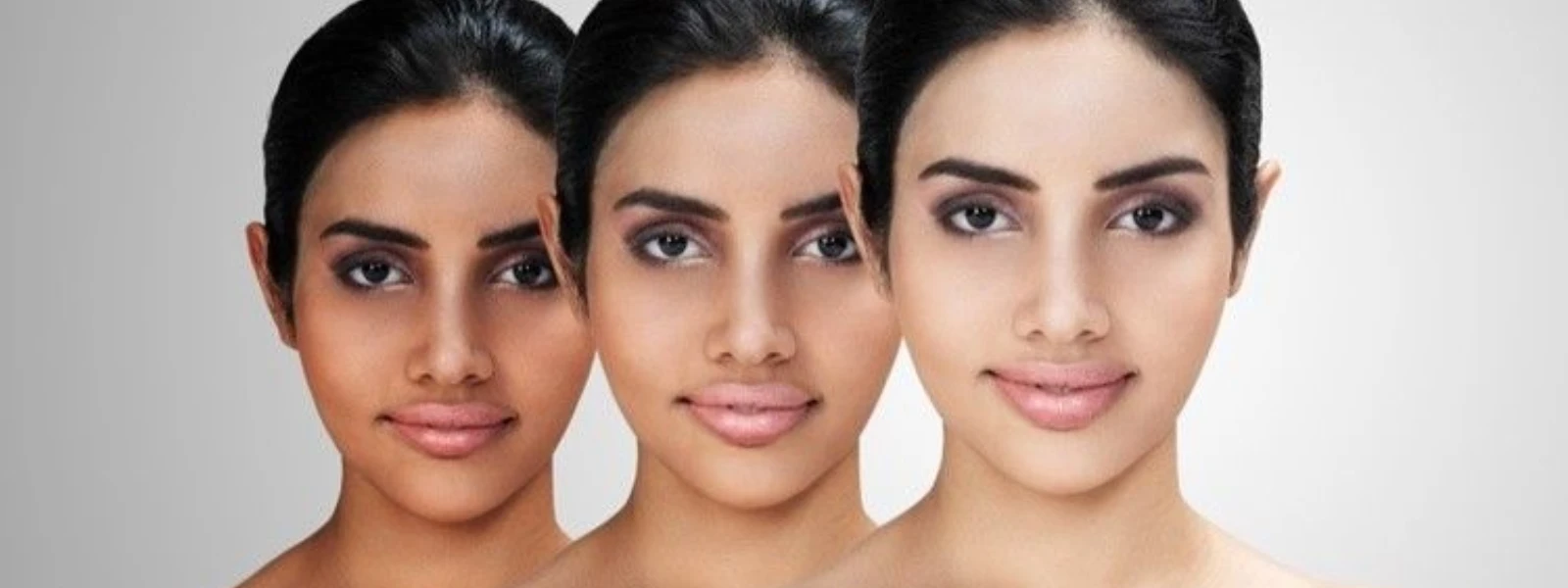
Facial pigmentation affects nearly 70% of Indian women, making it one of the most common skincare concerns across South Asian populations. From stubborn melasma patches to post-acne dark spots, understanding why Indian skin develops these pigmentation issues is crucial for effective treatment. The unique genetic makeup and melanin production patterns in Indian skin types create both protective benefits and specific challenges when it comes to maintaining an even complexion.
Indian skin predominantly falls within Fitzpatrick skin types III to VI, characterized by higher baseline melanin production compared to lighter skin tones. This increased melanin serves as natural protection against UV damage but also makes the skin more reactive to inflammatory triggers.
The genetic polymorphisms common in South Asian populations result in more active melanocyte cells. These cells respond quickly to stimuli like sun exposure, hormonal changes, or skin injuries by producing excess melanin, leading to hyperpigmentation causes indian skin experiences regularly.
While melanin provides natural SPF protection, it also means that any inflammatory response can trigger pigment deposits. This explains why minor acne breakouts often leave behind dark spots that persist for months on Indian complexions.
Understanding the root causes helps in both prevention and treatment selection. Indian skin faces unique challenges due to genetic, environmental, and lifestyle factors that increase pigmentation susceptibility.
Pregnancy, PCOS, and thyroid disorders significantly impact melanin production in Indian women. Hormonal pigmentation indian skin often manifests as melasma or chloasma, appearing as symmetrical patches on the cheeks, forehead, and upper lip.
Despite natural melanin protection, chronic sun exposure without adequate sunscreen leads to cumulative damage. Sun damage skin indian types experience includes age spots, uneven tone, and accelerated melasma development.
Acne, cuts, burns, or even aggressive skincare treatments can trigger post-inflammatory hyperpigmentation indian skin. The inflammatory response activates melanocytes, creating dark spots that outlast the original injury by months or years.
Different pigmentation patterns require specific treatment approaches. Identifying the type helps in selecting appropriate interventions and setting realistic expectations for improvement timelines.
Often called the "pregnancy mask," melasma affects up to 50% of pregnant Indian women. Melasma treatment indian skin requires gentle, consistent approaches as this condition tends to be stubborn and recurrent.
These represent the most common form of dark spots on indian face, appearing as brown or black marks where acne lesions once existed. Unlike scars, these are purely pigmentary and respond well to targeted treatments.
Cumulative sun exposure creates discrete brown spots, particularly on the cheeks and temples. These develop gradually and become more prominent after age 30 in Indian skin types.
Several factors make Indian skin particularly susceptible to pigmentation issues. Understanding these helps explain why standard treatments may need modification for optimal results on South Asian complexions.
Research shows that South Asian populations carry specific genetic variants affecting melanin synthesis and distribution. This genetic makeup explains why skin pigmentation issues south asia populations face are often more persistent than those in other ethnic groups.
Indian skin tends to mount stronger inflammatory responses to irritants, leading to more pronounced pigment deposits. This heightened reactivity means that even minor skin trauma can result in lasting uneven skin tone indian complexion issues.
Seeking professional help becomes necessary when pigmentation significantly impacts quality of life or doesn't respond to over-the-counter treatments. A dermatologist for pigmentation india can provide targeted solutions based on individual skin assessment.
Glycolic acid, lactic acid, and kojic acid peels work effectively on Indian skin when performed by experienced practitioners. These treatments require careful monitoring to prevent post-inflammatory hyperpigmentation.
Q-switched lasers and IPL treatments can be effective but require expertise in treating melanin-rich skin. Improper settings can worsen pigmentation, making practitioner selection crucial.
Hydroquinone, tretinoin, and prescription-strength kojic acid formulations provide faster results than over-the-counter options. These skin lightening treatments india dermatologists prescribe require careful monitoring for side effects.
Consistent home care forms the foundation of pigmentation management. The right ingredients and routine can prevent new spots while gradually fading existing ones.
Vitamin C, niacinamide, kojic acid, and arbutin work well for Indian skin types. These ingredients inhibit melanin production while being gentle enough for daily use.
Broad-spectrum SPF 30 or higher prevents new pigmentation and protects existing spots from darkening. Reapplication every 2-3 hours is crucial for Indian skin, especially during peak sun hours.
Most people notice initial improvements within 4-6 weeks of consistent treatment. However, significant fading typically takes 3-6 months, with deeper pigmentation requiring up to a year for complete resolution.
While pigmentation can be significantly faded, complete permanent removal isn't always possible, especially for hormonal pigmentation like melasma. Maintenance treatments and sun protection are usually necessary to prevent recurrence.
Avoid harsh scrubs, high-concentration acids without proper introduction, and products containing mercury or steroids. These can worsen pigmentation or cause additional skin damage.
Consult a dermatologist if pigmentation appears suddenly, changes in color or texture, doesn't respond to 3 months of consistent home treatment, or significantly impacts your confidence and daily life.
Lighter Indian skin tones (Type III-IV) often respond faster to treatments than deeper tones (Type V-VI) due to less baseline melanin. Treatment protocols may need adjustment based on individual skin depth and reactivity.
Use gentle, pregnancy-safe sunscreen daily, avoid harsh treatments, maintain a consistent gentle skincare routine, and consider vitamin C serums. Most importantly, avoid hydroquinone and high-strength retinoids during pregnancy.
Facial pigmentation in Indian skin results from a complex interplay of genetics, hormones, sun exposure, and inflammatory responses. While Indian skin's higher melanin content provides natural protection, it also makes pigmentation more likely and persistent. Understanding your specific pigmentation type and triggers enables more effective treatment selection. Consistency in skincare routine, diligent sun protection, and patience with treatment timelines are essential for success. When home treatments aren't sufficient, professional guidance can provide targeted solutions while ensuring safety for melanin-rich skin types.
