


Essential Checklist: Understanding Hyperpigmentation
Your Cart
0You May Also Like
Dark spots and uneven skin tone affect millions of people worldwide. Over 90% of adults develop some form of hyperpigmentation by age 50, making it one of the most common skin concerns. Understanding how hyperpigmentation occurs helps you take the right steps to prevent and manage these stubborn marks. This guide breaks down the science behind skin discoloration causes and gives you a clear checklist to protect your skin.
Your skin contains special cells called melanocytes that produce melanin, the pigment that gives your skin its color. When these cells work normally, they create an even skin tone. But sometimes, they go into overdrive and produce too much melanin in certain spots.
Melanocytes live in the bottom layer of your skin. They make melanin to protect you from UV damage. Think of melanin as your skin's natural sunscreen. When UV rays hit your skin, melanocytes get busy making more melanin to shield your DNA from damage. This is why you get a tan after sun exposure. But sometimes this protective system gets confused. Injury, hormones, or too much sun can make melanocytes produce melanin even when they don't need to. This creates dark patches that stick around long after the trigger is gone.
The process starts with an enzyme called tyrosinase. When your skin senses a threat like UV rays or inflammation, tyrosinase kicks into action. It helps convert amino acids into melanin. The melanin then travels up through your skin layers, creating the dark spots you see on the surface. Some areas of your skin are more sensitive than others. Your face, hands, and shoulders often develop hyperpigmentation first because they get the most sun exposure.
Knowing what causes hyperpigmentation helps you avoid the main triggers. Most dark spots come from a few common sources that you can learn to recognize and prevent.
Sun damage causes about 80% of all hyperpigmentation cases. UV radiation comes in two main types: UVA and UVB rays. UVA rays go deep into your skin and cause long-term damage. UVB rays affect the surface and cause sunburns. Both types can trigger excess melanin production. Age spots, also called sun spots, usually show up on areas that get the most sun. Your face, hands, chest, and shoulders are common targets. Even brief sun exposure without protection can start the hyperpigmentation process.
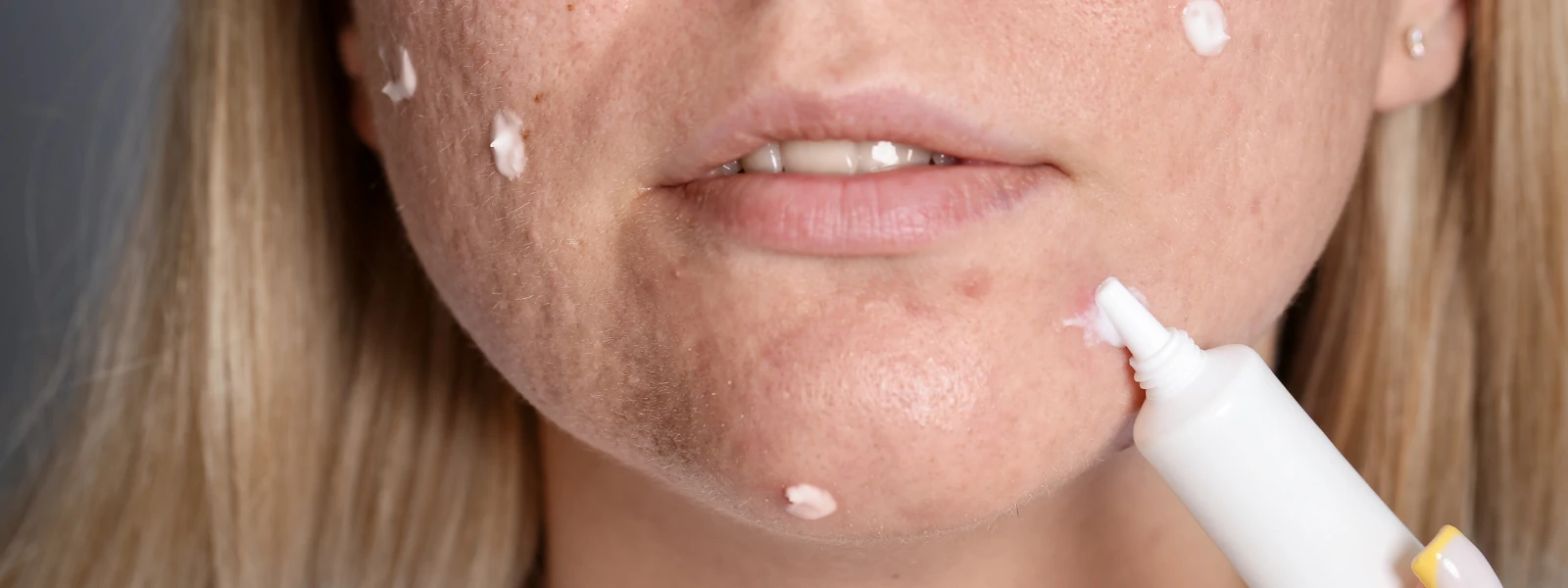
Post-inflammatory hyperpigmentation happens after your skin heals from injury or irritation. Acne breakouts, eczema flares, cuts, or burns can all trigger this response. When your skin repairs itself, it sometimes makes too much melanin in the healing area. This type of hyperpigmentation can take 6 to 12 months to fade on its own. Picking at acne or wounds makes it worse because you create more inflammation. The darker your natural skin tone, the more likely you are to develop post-inflammatory hyperpigmentation.
Hormones play a big role in melasma causes. Pregnancy, birth control pills, and hormone therapy can all trigger melasma. This condition creates brown or gray patches, usually on the face in a symmetrical pattern. Melasma often gets worse with sun exposure and heat. Many women notice it during pregnancy, which is why it's sometimes called the "pregnancy mask." The good news is that melasma often fades after pregnancy or when hormone levels return to normal.
Different types of hyperpigmentation have different patterns and causes. Learning to identify your specific type helps you choose the right treatment approach.
Age spots are flat, brown spots that appear on sun-exposed areas. They're usually round or oval and range from light brown to black. Most people start seeing age spots after age 40, but they can appear earlier with heavy sun exposure. These spots are harmless but permanent without treatment. They tend to get darker and more numerous over time if you don't protect your skin from the sun.
Melasma creates larger patches of discoloration, often in symmetrical patterns on both sides of the face. Common areas include the forehead, cheeks, nose, and upper lip. The patches can be light brown, dark brown, or grayish. Unlike age spots, melasma often changes with the seasons. It may get darker in summer and lighter in winter. Heat from cooking, saunas, or hot yoga can also make melasma worse.
Some medications can cause skin pigmentation disorders. Antimalarial drugs, certain antibiotics, and some chemotherapy medications are common culprits. This type of hyperpigmentation can affect large areas of skin and may take months or years to fade after stopping the medication. If you notice new dark spots after starting a medication, talk to your doctor. They may be able to switch you to a different drug or adjust your dosage.
Preventing hyperpigmentation is much easier than treating it. A few simple daily habits can protect your skin and prevent new dark spots from forming. Sunscreen is your best defense against sun exposure skin damage. Use a broad-spectrum SPF 30 or higher every day, even when it's cloudy. Reapply every two hours when you're outside. Physical sunscreens with zinc oxide or titanium dioxide work well for sensitive skin. Wear protective clothing when possible. Wide-brimmed hats, long sleeves, and sunglasses help shield your skin from UV rays. Seek shade during peak sun hours between 10 AM and 4 PM. Be gentle with your skin to prevent post-inflammatory hyperpigmentation. Don't pick at acne or wounds. Use mild skincare products and avoid harsh scrubbing. If you have active acne, see a dermatologist for proper treatment.
Most hyperpigmentation is harmless, but some changes need medical attention. See a dermatologist if you notice spots that are asymmetrical, have irregular borders, or change in size, shape, or color. Professional hyperpigmentation treatment options include prescription creams, chemical peels, and laser therapy. These treatments work faster than over-the-counter products but require professional supervision. A dermatologist can also help you identify the specific cause of your hyperpigmentation and create a targeted treatment plan. They may use special tools like a Wood's lamp to see pigmentation that's not visible to the naked eye.
The main reason for hyperpigmentation is overproduction of melanin due to sun exposure, which accounts for over 80% of cases. UV radiation stimulates melanocytes to produce excess pigment as a protective response.
Most hyperpigmentation is not permanent. Sun spots and post-inflammatory hyperpigmentation often fade with proper treatment over 6-12 months, though some deep pigmentation may require professional intervention.
Prevention involves daily SPF 30+ sunscreen, avoiding skin picking, using gentle skincare products, and wearing protective clothing during sun exposure.
Yes, pregnancy commonly causes melasma due to hormonal changes. This "pregnancy mask" typically appears on the face and often fades postpartum, though sun protection is crucial.
Post-inflammatory hyperpigmentation is triggered by skin inflammation from acne, eczema, cuts, burns, or aggressive skincare treatments. The healing process produces excess melanin in the affected area.
Understanding how hyperpigmentation occurs gives you the power to prevent and manage dark spots effectively. Sun protection remains your most important tool for preventing new hyperpigmentation. Be patient with existing spots, as they often fade with time and proper care. When in doubt, consult a dermatologist for personalized advice and treatment options that fit your specific needs.
