


Essential Checklist: Protecting Skin from Pollution-Induced Hyperpigmentation
Your Cart
0You May Also Like
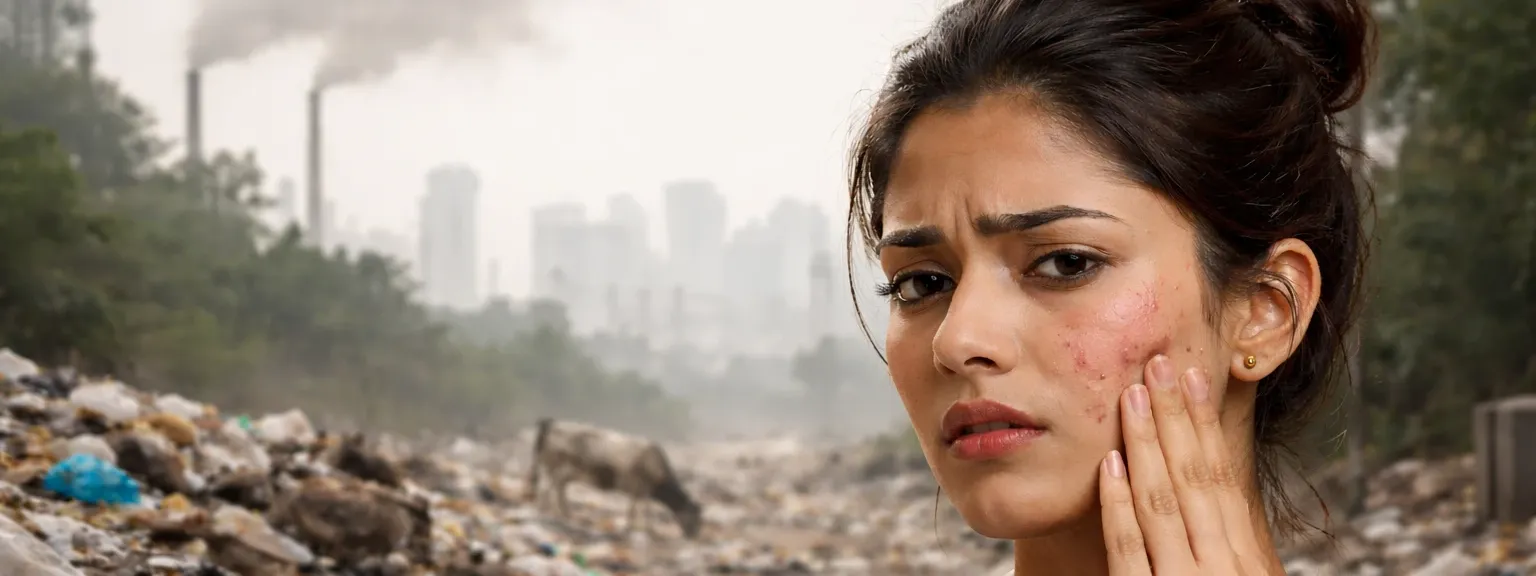
Living in urban India means your skin faces a daily battle against invisible enemies. Every breath of city air carries microscopic particles that don't just affect your lungs—they're actively working to darken and damage your skin. Hyperpigmentation caused by pollution has become one of the most pressing skin concerns for women in metropolitan areas, creating stubborn dark spots that seem to appear overnight and resist traditional treatments. Understanding how to protect your skin from these environmental aggressors isn't just about maintaining your complexion—it's about preserving your skin's health for years to come.
The relationship between air quality and skin health runs deeper than most people realize. When pollutants penetrate your skin barrier, they trigger a cascade of reactions that directly lead to increased melanin production and uneven skin tone.
Your skin responds to pollution through a complex process called oxidative stress. When free radical damage skin hyperpigmentation occurs, pollutant particles generate reactive oxygen species that overwhelm your skin's natural antioxidant defenses. This triggers melanocytes—your pigment-producing cells—to work overtime, creating excess melanin as a protective response. The AhR/MAPK signaling pathway becomes hyperactive when exposed to PM2.5 particles, leading to inflammatory responses that manifest as dark spots and uneven pigmentation.
Different pollutants create different patterns of skin damage. Particulate matter, especially PM2.5 and PM10, penetrates deep into skin layers due to their microscopic size. Nitrogen dioxide and ozone exposure create oxidative stress that accelerates melanin production. Heavy metals like lead and mercury, common in urban environments, accumulate in skin tissue and disrupt normal cellular processes. Skin pigmentation from smog often appears as a diffuse darkening across exposed areas, particularly the face, neck, and hands.
While sun damage typically creates defined spots with clear borders, pollution induced hyperpigmentation tends to appear as gradual, diffuse darkening. The combination of pollution and UV exposure creates a synergistic effect that's more damaging than either factor alone. Pollution effects on melasma are particularly concerning because environmental toxins can trigger hormonal responses that worsen existing pigmentation patterns.
Recognizing the signs of environmental skin damage early allows for more effective treatment and prevention strategies. Unlike other forms of pigmentation, pollution-related darkening has distinct characteristics.
Dark spots from environmental exposure often appear as irregular patches rather than circular spots. They typically develop gradually over months or years of exposure, creating a dull, uneven complexion. Areas most affected include the forehead, cheeks, and around the nose—zones that receive the highest concentration of airborne pollutants during daily activities.
Women living in cities with Air Quality Index readings consistently above 150 face significantly higher risks of developing environmental factors skin darkening. Genetic factors, particularly variations in antioxidant enzyme production, influence individual susceptibility. Lifestyle factors like outdoor exercise during peak pollution hours or inadequate skincare protection amplify vulnerability to air pollution skin damage.
Creating an effective defense against pollution requires a systematic approach that addresses both prevention and active protection throughout your day.
Start with antioxidant serums containing vitamin C, vitamin E, and niacinamide to neutralize free radicals before they cause damage. Apply barrier-strengthening products with ceramides and hyaluronic acid to fortify your skin's natural defense system. Use broad-spectrum sunscreen with SPF 30 or higher that specifically mentions pollution protection—many modern formulations include antioxidants and film-forming agents that create a protective barrier against particulate matter.
Double cleansing becomes crucial for removing accumulated pollutants. Start with an oil-based cleanser to dissolve pollution particles and makeup, followed by a water-based cleanser to remove remaining residue. Apply antioxidant treatments that work overnight to repair daily damage. Include gentle exfoliation 2-3 times weekly to remove dead skin cells that trap pollutants.
Once skin discoloration pollution has occurred, targeted treatments can help fade existing damage while preventing new spots from forming.
Chemical peels using glycolic or lactic acid can effectively remove damaged surface layers affected by pollution. Laser therapy, particularly Q-switched lasers, targets melanin deposits created by environmental exposure. Microneedling combined with antioxidant serums enhances penetration of active ingredients while stimulating natural skin renewal processes.
Alpha hydroxy acids like glycolic and lactic acid help accelerate cell turnover, removing pollution-damaged skin layers. Retinoids increase cell renewal while reducing melanin production. Brightening agents such as kojic acid, arbutin, and licorice extract specifically target existing pigmentation. Combining multiple antioxidants creates synergistic effects that enhance overall treatment efficacy.
Beyond skincare products, lifestyle adjustments can significantly reduce your skin's exposure to harmful environmental factors.
Monitor daily air quality through apps like AirVisual or government pollution trackers. Plan outdoor activities during early morning hours when pollution levels are typically lower. Invest in indoor air purifiers with HEPA filters to create clean environments at home and work. Consider the long-term benefits of living in areas with better air quality when making housing decisions.
Include antioxidant-rich foods like berries, green tea, and leafy vegetables to support your skin's internal defense systems. Consider supplements like vitamin C, vitamin E, and omega-3 fatty acids that enhance skin barrier function. Maintain proper hydration to support your body's natural detoxification processes and help flush out accumulated toxins.
Effective protection against urban pollution skin concerns requires consistent, long-term strategies that adapt to changing environmental conditions and skin needs.
Adjust your routine seasonally—winter months often bring higher pollution levels that require more intensive protection. Rotate products to prevent skin adaptation and maintain effectiveness. Monitor your skin's response to environmental changes and adjust treatments accordingly. Budget-conscious options like niacinamide serums and vitamin C derivatives can provide effective protection without premium pricing.
Consult a dermatologist if you notice rapid darkening, new spots appearing weekly, or existing pigmentation that doesn't respond to consistent treatment after 3-4 months. Professional intervention becomes necessary when pollution-induced pigmentation begins affecting larger areas or shows signs of becoming permanent. Realistic timelines for improvement typically range from 6-12 months with consistent treatment.
Yes, pollution directly causes pigmentation through oxidative stress and inflammatory responses. Pollutant particles penetrate skin barriers, triggering melanocyte activation and excess melanin production. This process typically develops over months to years of exposure, with reversibility depending on the depth and duration of damage.
Effective pollution removal requires double cleansing with oil-based followed by water-based cleansers. Use products containing antioxidants like vitamin C and niacinamide to neutralize free radicals. Avoid harsh scrubbing, which can worsen inflammation and pigmentation.
Sudden hyperpigmentation often results from increased pollution exposure, seasonal changes in air quality, or cumulative environmental damage reaching a visible threshold. Moving to a more polluted area, changes in daily routines, or inadequate skin protection can trigger rapid pigmentation development.
Pollution-induced spots appear as diffuse, irregular darkening, while sun spots are typically round with defined borders. Pollution damage creates gradual, overall skin dullness, whereas UV damage produces distinct, localized spots. Treatment approaches vary, with pollution damage requiring more focus on antioxidant protection and barrier repair.
Protecting your skin from pollution-induced hyperpigmentation requires a comprehensive approach combining daily protection, targeted treatments, and lifestyle modifications. The key lies in understanding that environmental skin damage is preventable and treatable with consistent care. Start with basic protection using antioxidant serums and proper cleansing, then gradually incorporate targeted treatments as needed. Remember that results take time—typically 3-6 months of consistent care before seeing significant improvement. Your skin's health is an investment that pays dividends in confidence and long-term beauty, making every step of this protection routine worthwhile.
