


7 Ways Sunscreen Stops Skin Pigmentation Now
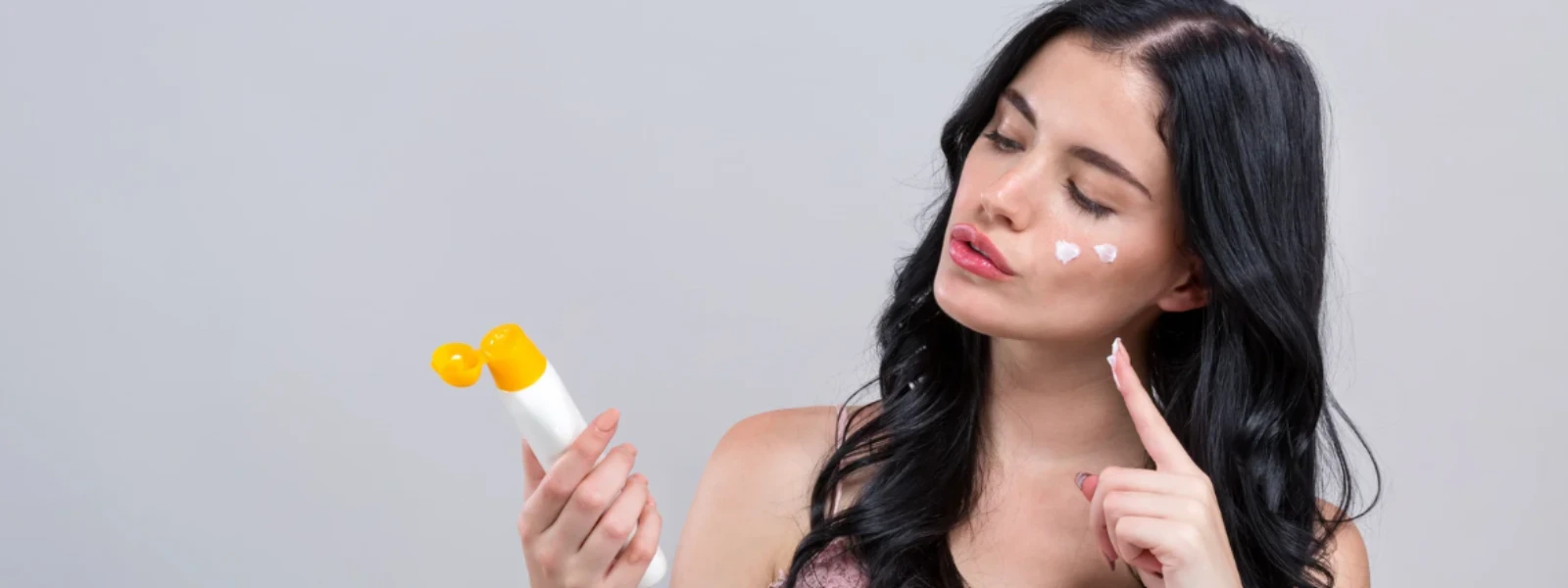
Dark spots, melasma, and uneven skin tone can feel like an uphill battle. But here's the thing – while you're searching for the perfect serum or treatment, you might be overlooking the most powerful weapon in your skincare arsenal. Sunscreen isn't just about preventing sunburn; it's your first line of defense against pigmentation.
Understanding how sunscreen helps pigmentation can transform your approach to achieving clearer, more even-toned skin. Let's dive into seven science-backed ways that daily SPF application can stop pigmentation in its tracks and help you maintain the results you've worked so hard to achieve.
To grasp why sunscreen is so crucial for pigmentation control, we need to understand what happens beneath your skin's surface. When UV rays hit your skin, they trigger a complex cellular response that leads to melanin production – your skin's natural defense mechanism. UV radiation activates melanocytes, the cells responsible for producing melanin. This process doesn't happen instantly; it typically takes 7-14 days for new pigmentation to become visible.
During this window, your skin is working overtime to protect itself from further damage. Without proper sun protection for dark spots, this natural response can spiral into overproduction, leading to hyperpigmentation, age spots, and uneven skin tone. The two main types of UV rays affect pigmentation differently.
UVA rays penetrate deeper into the skin and are primarily responsible for long-term pigmentation changes and premature aging. UVB rays affect the surface layers and can cause immediate darkening of existing spots. This is why broad-spectrum protection is essential for comprehensive pigmentation prevention. If you're actively treating any of these concerns, pairing your SPF with a dedicated hyperpigmentation collection gives you a more complete strategy.
Now that we understand the science, let's explore the specific ways sunscreen works to prevent and control pigmentation issues.
The most fundamental way sunscreen benefits for skin pigmentation is by creating a protective barrier against UV radiation. When you apply broad-spectrum SPF, you're essentially putting up a shield that prevents UV rays from reaching melanocytes in the first place. This protection works on multiple levels.
UVA protection prevents deep, long-lasting pigmentation changes that can take months to fade. UVB protection stops surface-level darkening and prevents existing spots from becoming more pronounced. Without this daily protection, even brief sun exposure can undo weeks of pigmentation treatment progress.
One of the most overlooked benefits of consistent sunscreen use is its role in preventing post-inflammatory hyperpigmentation (PIH). This type of pigmentation occurs after skin trauma – think acne breakouts, cuts, or even aggressive skincare treatments. When your skin is healing from any type of inflammation, it's particularly vulnerable to UV-induced pigmentation.
Using a sunscreen formulated for hyperpigmentation-prone skin during this healing phase can mean the difference between a temporary mark and a permanent dark spot. This is especially important for anyone dealing with active acne or undergoing professional treatments.
Melasma, often called the "mask of pregnancy," is one of the most stubborn forms of pigmentation. This hormonally-triggered condition creates symmetrical patches of darkening, typically on the face. What makes melasma particularly challenging is its extreme sensitivity to UV exposure. Even minimal sun exposure can cause melasma to flare up dramatically.
This is why dermatologists emphasize that sunscreen and melasma management go hand in hand — a point consistently highlighted in dermatologists' checklists for top pigmentation creams. For anyone dealing with melasma, skipping sunscreen even for a single day can set back months of treatment progress. The good news? Consistent protection can prevent existing melasma from worsening and may even help it fade over time.
Your skin has an incredible ability to renew itself, shedding old, pigmented cells and replacing them with fresh ones. This natural process typically takes about 28 days in younger skin and can extend to 40+ days as we age. However, ongoing UV damage disrupts this renewal cycle. When you protect your skin with sunscreen, you allow this natural turnover process to work effectively.
This means pigmented cells can shed normally while new, unpigmented cells take their place. This is how to prevent sunspots from becoming permanent fixtures on your skin. Supporting this renewal cycle with a moisturizer designed for very sensitive skin can further strengthen your barrier and improve your skin's renewal response.
Here's something many people don't realize: it's not just outdoor sun exposure that can worsen pigmentation. Blue light from digital devices, LED lights, and even indoor lighting can contribute to melanin production, especially in people with darker skin tones. Modern broad-spectrum sunscreens often include protection against blue light, making them essential for our digital-heavy lifestyles.
For days when you're constantly on the go and need easy reapplication, a sunscreen spray with SPF 65 lets you top up protection throughout the day without disrupting your routine. While the research on blue light and pigmentation is still evolving, protecting against all potential triggers gives you the best chance at maintaining clear, even skin tone.
If you've invested time and money in professional pigmentation treatments – whether that's chemical peels, laser therapy, or prescription medications – sunscreen becomes absolutely critical for maintaining your results. These treatments work by removing or breaking down existing pigmentation, but they also make your skin more photosensitive.
Without proper protection, treated skin can develop new pigmentation faster than untreated skin. This is why most dermatologists won't even perform certain pigmentation treatments during summer months unless patients commit to strict sun protection. Hyperpigmentation treatment success depends heavily on consistent sunscreen use both during and after the treatment period.
Perhaps the most important long-term benefit of consistent sunscreen use is its cumulative effect on melanin production. When your skin isn't constantly defending against UV damage, melanocytes can return to normal function rather than being in a constant state of overdrive. This regulation happens gradually over months and years of consistent protection.
People who use sunscreen daily from a young age typically have more even skin tone and fewer age spots as they get older. Even if you're starting later in life, consistent protection can help prevent new sun damage and pigmentation while supporting your skin's natural healing processes.
Not all sunscreens are created equal when it comes to pigmentation prevention. Understanding which formulations work best can help you make informed choices for your specific needs. Mineral sunscreens containing zinc oxide and titanium dioxide are often recommended as the best sunscreen for face pigmentation because they provide broad-spectrum protection without the risk of irritation that can lead to post-inflammatory hyperpigmentation.
These ingredients sit on top of the skin and physically block UV rays. Chemical sunscreens can also be effective, but some people with sensitive or reactive skin may experience irritation that could worsen pigmentation issues. Look for formulations with avobenzone, octinoxate, or newer chemical filters that provide stable, broad-spectrum protection.
For optimal pigmentation prevention, choose an SPF of at least 30, though SPF 50 provides even better protection for those prone to hyperpigmentation. Some sunscreens now include additional brightening ingredients like niacinamide or vitamin C, which can provide extra benefits for uneven skin tone.
One of the most common questions about sunscreen and pigmentation is: how long does it take to see results? The answer depends on several factors, including the type and depth of pigmentation, your skin's natural renewal rate, and how consistently you apply protection. For surface-level pigmentation like post-acne marks, you might notice improvements within 6-8 weeks of consistent sunscreen use.
This timeframe aligns with your skin's natural renewal cycle. Deeper pigmentation, such as melasma or long-standing age spots, can take several months to show noticeable fading.
It's important to understand that sunscreen primarily prevents new pigmentation and stops existing spots from worsening. While it supports natural fading processes, you may need additional treatments for faster results on existing pigmentation. The key is patience and consistency – protecting your skin daily while allowing natural renewal processes to work.
Even with the best intentions, many people make mistakes that can undermine their pigmentation prevention efforts. Understanding these common pitfalls can help you maximize your sun protection strategy.
The biggest mistake is insufficient application. Most people apply only 25–50% of the recommended amount, which dramatically reduces protection. You need about 1/4 teaspoon for your face alone — that's more than most people think. Another critical error is forgetting to reapply. Sunscreen breaks down over time, especially with sweating, touching, or oil production. Reapplying every two hours is essential, even if you're indoors near windows.
Many people also miss commonly forgotten areas like the ears, neck, and backs of hands. These areas are particularly prone to age spots and pigmentation, so comprehensive coverage is crucial. Finally, using expired sunscreen or products with inadequate SPF can give you a false sense of security while leaving your skin vulnerable to UV damage.
Sunscreen doesn't actively remove existing pigmentation, but it prevents spots from darkening and supports your skin's natural renewal process. Think of it as creating the optimal environment for natural fading while preventing new damage.
Combine daily broad-spectrum SPF 30+ with proven active ingredients like vitamin C, niacinamide, or retinoids. Professional treatments can accelerate results, but sunscreen remains essential for maintaining improvements and preventing new pigmentation.
Sunscreen provides immediate protection against UV-induced pigmentation. However, the full benefits for preventing new spots become apparent over weeks to months of consistent use, as your skin's natural renewal processes can work without constant UV interference.
While sunscreen doesn't actively lighten existing pigmentation, it prevents spots from darkening and allows natural skin renewal to gradually fade surface-level pigmentation. For deeper or stubborn pigmentation, combining sunscreen with other treatments typically provides the best results.
Understanding how sunscreen helps pigmentation is the foundation of any successful skincare routine focused on achieving even skin tone. From blocking the UV radiation that triggers melanin overproduction to supporting your skin's natural renewal processes, daily SPF application offers multiple pathways to clearer, more radiant skin.
Remember, consistency is key. The most expensive treatments and serums can't overcome the damage caused by inconsistent sun protection. By making broad-spectrum sunscreen a non-negotiable part of your daily routine, you're not just preventing future pigmentation – you're creating the optimal environment for your skin to heal and renew itself naturally.
Whether you're dealing with post-acne marks, melasma, or simply want to prevent future dark spots, sunscreen remains your most powerful ally. Start today, be patient with the process, and trust that your consistent efforts will pay off in clearer, more even-toned skin.
