


7 Ways BHA Evens Skin Tone for Sensitive Skin
Your Cart
0You May Also Like
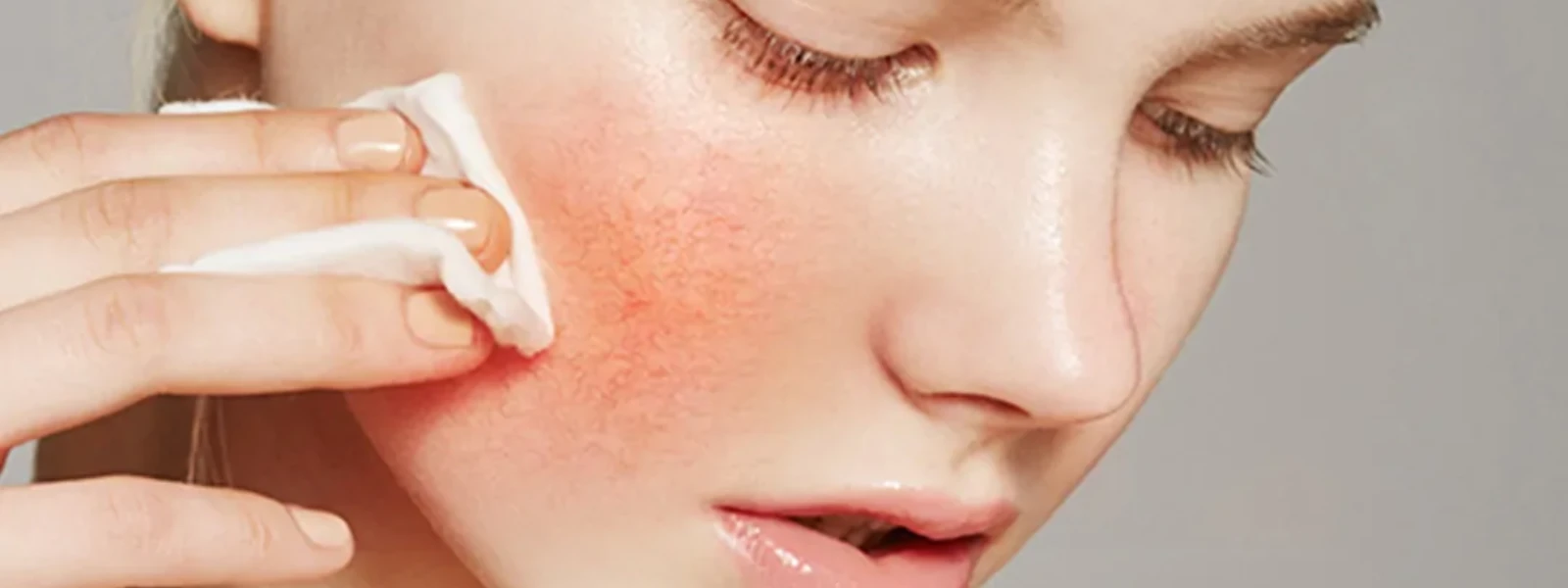
Dealing with uneven skin tone when you have sensitive skin can feel like walking a tightrope. You want effective results, but harsh treatments often leave your skin red, irritated, and worse than before. Enter BHA (Beta Hydroxy Acid), specifically salicylic acid, which offers a gentler path to achieving that coveted even complexion. Unlike other chemical exfoliants that can overwhelm delicate skin, BHA works differently thanks to its unique oil-soluble properties. This means it can penetrate deeper into pores without causing the surface irritation that sensitive skin types typically experience. The benefits of BHA for uneven skin tone in sensitive skin extend far beyond simple exfoliation, offering anti-inflammatory properties that actually calm your skin while working to fade dark spots and discoloration.
BHA, or Beta Hydroxy Acid, is primarily composed of salicylic acid, a naturally occurring compound that differs significantly from its Alpha Hydroxy Acid (AHA) cousins. While AHAs like glycolic acid work on the skin's surface and can cause immediate irritation, salicylic acid for sensitive skin offers a more targeted approach. Its oil-soluble nature allows it to penetrate through sebum and into pores, making it particularly effective for those dealing with both sensitivity and acne-prone skin.
What makes BHA special for sensitive skin is its built-in anti-inflammatory and antibacterial properties. Salicylic acid is actually derived from willow bark, which has been used for centuries to reduce inflammation. This means that while it's working to exfoliate dead skin cells and promote cell turnover, it's simultaneously calming irritation and reducing redness. For sensitive skin types who often struggle with inflammatory responses to skincare ingredients, this dual action makes BHA a game-changer in achieving more even skin tone without the typical side effects.
The transformation power of BHA lies in its multifaceted approach to skin renewal. Unlike harsh treatments that force rapid changes, BHA works gradually and systematically to address the root causes of uneven skin tone. This gentle exfoliation for sensitive skin approach ensures that you see consistent improvements without the setbacks that come from irritation and inflammation.
The oil-soluble nature of BHA allows it to dissolve through the lipid barriers of your skin and penetrate directly into pores. This means it can address congestion and uneven texture from within, rather than scrubbing away at the surface like physical exfoliants or water-soluble acids. For sensitive skin, this translates to effective results without the redness, peeling, or stinging that often accompanies other exfoliating treatments.
One of the most significant advantages of BHA for redness is its natural anti-inflammatory properties. When your skin is inflamed, it produces excess melanin as a protective response, leading to dark spots and uneven tone. BHA interrupts this cycle by calming inflammation while promoting healthy cell turnover. This dual action is particularly beneficial for reducing skin discoloration that stems from inflammatory conditions like acne or sensitivity reactions.
Unlike aggressive peels that force rapid cell turnover, BHA promotes a controlled renewal process that's perfect for sensitive skin. It gently loosens the bonds between dead skin cells, allowing them to shed naturally while revealing the brighter, more even-toned skin beneath. This gradual process prevents the irritation and sensitivity spikes that can worsen pigmentation issues.
BHA excels at treating hyperpigmentation with BHA by improving the distribution of melanin in your skin. As it promotes cell turnover, it helps break up clusters of melanin that create dark spots, gradually dispersing them for a more even appearance. The process is gentle enough for sensitive skin while being effective enough to see real results in BHA for dark spots treatment over time.
For those with skincare for sensitive acne-prone skin needs, BHA offers a preventive approach to hyperpigmentation. By keeping pores clear and reducing acne formation, it prevents the post-inflammatory hyperpigmentation that often follows breakouts. This is crucial for sensitive skin types who are prone to developing dark spots after even minor blemishes. The antibacterial properties of salicylic acid also help maintain a healthy skin microbiome, reducing the likelihood of inflammatory acne that leads to BHA for post-inflammatory hyperpigmentation issues.
BHA acts as a pathway enhancer, improving the penetration of other beneficial ingredients in your skincare routine. When used as part of a comprehensive regimen, it allows brightening ingredients like vitamin C, niacinamide, and kojic acid to work more effectively. This synergistic effect means you can achieve better results with gentler concentrations of active ingredients, perfect for sensitive skin that can't tolerate high-strength formulations.
The cumulative benefits of consistent BHA use become apparent over months of regular application. Unlike quick fixes that provide temporary results, BHA builds long-term improvements in skin texture and tone. Sensitive skin users typically see initial improvements in 4-6 weeks, with significant tone evening occurring after 3-4 months of consistent use. This gradual improvement ensures that changes are sustainable and don't come with the rebound effects often seen with more aggressive treatments.
When it comes to chemical exfoliants for sensitive skin, concentration matters more than you might think. Starting with the right strength can mean the difference between successful treatment and a setback that leaves your skin more irritated than before. For sensitive skin types, the sweet spot typically lies between 0.5% and 2% salicylic acid concentration.
Begin with 0.5% to 1% concentrations and use them only twice per week initially. This allows your skin to build tolerance gradually while still providing benefits. Many people make the mistake of jumping to higher concentrations too quickly, thinking faster results are better. However, for sensitive skin, slow and steady wins the race. The pH of the product also matters significantly - look for formulations with a pH between 3.5 and 4.0 for optimal effectiveness without excessive irritation. Products that include soothing ingredients like niacinamide, ceramides, or hyaluronic acid can help buffer the potential irritating effects while maintaining the exfoliating benefits.
Successfully incorporating BHA into a sensitive skin routine requires patience and a systematic approach. The key is to start slowly and listen to your skin's responses. Begin with patch testing on a small area of your inner arm for 24-48 hours to check for any adverse reactions.
Once you've confirmed compatibility, start with application just twice per week, preferably in the evening. Apply BHA to clean, dry skin and wait 15-20 minutes before applying other products. This waiting period allows the acid to work at its optimal pH before being diluted by other skincare products. Gradually increase frequency to every other day, then daily as your skin builds tolerance. Always follow with a gentle moisturizer and never skip sunscreen the following day, as BHA can increase photosensitivity. Avoid combining BHA with other active ingredients like retinoids, vitamin C, or other acids initially, as this can overwhelm sensitive skin and lead to irritation.
To achieve the best results in evening out skin tone sensitive skin, BHA works best as part of a comprehensive routine rather than a standalone treatment. Pairing it with complementary ingredients can enhance its effectiveness while providing additional support for sensitive skin.
Niacinamide is an excellent companion to BHA, as it helps regulate oil production, reduces inflammation, and supports the skin barrier. Hyaluronic acid provides essential hydration that prevents the dryness that can sometimes accompany chemical exfoliation. Ceramides help maintain the skin barrier, which is crucial for sensitive skin types who may be prone to barrier disruption. Apply BHA first, wait for it to absorb, then layer these supportive ingredients. Morning routines should focus on protection and hydration, with a broad-spectrum sunscreen being non-negotiable. Evening routines can include BHA followed by nourishing ingredients that support overnight repair and regeneration.
Yes, BHA can be suitable for sensitive skin when introduced properly. Start with low concentrations (0.5-1%) and use only twice per week initially. The anti-inflammatory properties of salicylic acid actually make it gentler than many other exfoliating acids for sensitive skin types.
Most people with sensitive skin notice initial improvements in skin texture within 4-6 weeks of consistent use. Significant improvements in tone evening and dark spot reduction typically become apparent after 8-12 weeks of regular application.
BHA should not worsen hyperpigmentation when used correctly. However, if you experience irritation from using too high a concentration or too frequently, this inflammation could potentially lead to post-inflammatory hyperpigmentation. This is why starting slowly is crucial for sensitive skin.
Evening application is generally recommended for sensitive skin, as it allows the ingredient to work overnight without interference from sunscreen or makeup. BHA can increase photosensitivity, making evening use safer and more effective.
Avoid combining BHA with other strong actives initially, skip physical exfoliants, and never use BHA without following up with sunscreen the next day. Also avoid over-application - more is not better when it comes to sensitive skin and chemical exfoliants.
BHA offers a unique solution for sensitive skin types struggling with uneven tone, combining gentle exfoliation with anti-inflammatory benefits that other acids simply can't match. The key to success lies in patience, proper introduction, and consistent use at appropriate concentrations. Remember that sensitive skin requires a more gradual approach, but the results are just as effective when you give your skin time to adapt and respond.
Start with low concentrations, introduce slowly, and always prioritize sun protection to maximize the benefits of BHA for uneven skin tone in sensitive skin. With the right approach, you can achieve the clear, even complexion you've been seeking without compromising your skin's health or comfort. The journey may take a bit longer than with more aggressive treatments, but the sustainable, long-lasting results make it worth the patience.
