


11 Ways to Tackle Body Hyperpigmentation Causes Explained
Your Cart
0You May Also Like
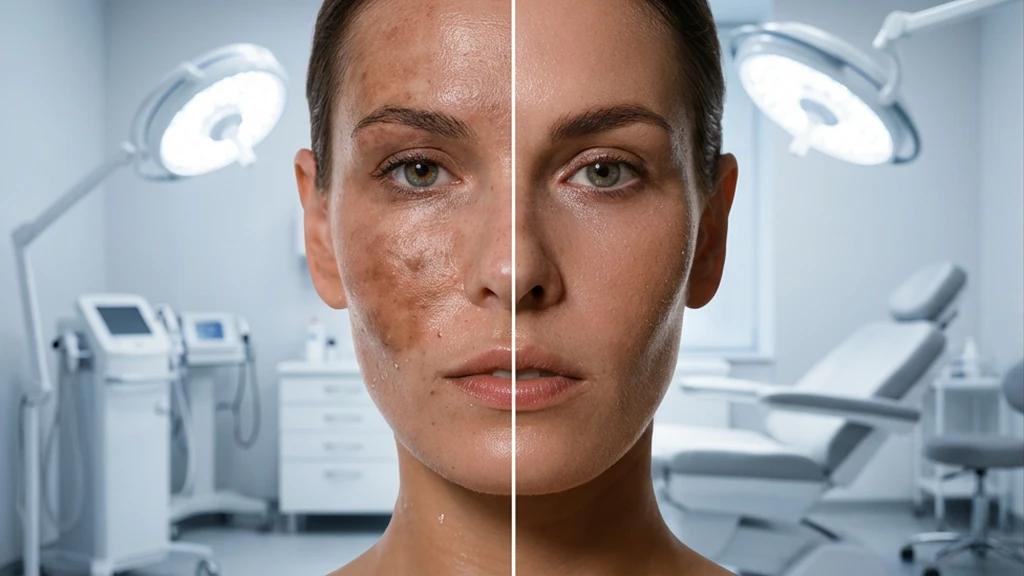
Dark patches and uneven skin tone on your body can feel frustrating, especially when they seem to appear out of nowhere. Whether it's stubborn dark spots on your arms, discoloration around your neck, or patches that developed after a bout of body acne, body hyperpigmentation causes explained can help you understand why these changes happen. Unlike facial pigmentation that gets most of the attention, body hyperpigmentation often goes untreated for years. The good news? Once you understand what triggers these skin changes, you can take targeted action to address them effectively.
Hyperpigmentation on skin occurs when certain areas produce excess melanin, the pigment responsible for your skin color. Think of melanin as your skin's natural defense system - it ramps up production when it senses potential damage or inflammation. On your body, this process can be more intense than on your face because body skin is often exposed to different types of trauma.
Body hyperpigmentation differs from facial pigmentation in several key ways. Your body skin is typically thicker, which means pigmented cells can penetrate deeper layers. Additionally, body areas like your back, chest, and limbs often experience more friction from clothing, making them prone to post-inflammatory changes. Research shows that over 70% of people with darker skin tones experience some form of body hyperpigmentation during their lifetime.
Understanding skin darkening causes is the first step toward effective treatment. Your skin doesn't randomly decide to produce dark spots - there's always a trigger behind the change.
UV radiation remains the leading cause of sun spots on skin across your body. When UV rays hit your skin, they trigger melanocytes to produce more melanin as protection. UVA rays penetrate deeper and cause long-term pigmentation changes, while UVB rays create immediate darkening. Body areas like your shoulders, arms, and chest often develop more severe sun damage because they receive intense, direct exposure during outdoor activities.
Post-inflammatory hyperpigmentation develops after your skin heals from injury or irritation. Body acne scars are common culprits, leaving behind dark marks long after the original breakout clears. Even minor trauma like insect bites, cuts from shaving, or constant friction from tight clothing can trigger this response. Your skin essentially "remembers" the inflammation and continues producing excess pigment in those areas.
Hormonal fluctuations can trigger melasma causes that extend beyond your face to your body. Pregnancy, birth control pills, and hormone replacement therapy can all stimulate melanin production. This type of pigmentation often appears symmetrically and tends to worsen with sun exposure. Thyroid disorders and conditions like Addison's disease can also cause widespread skin darkening.
As you age, your skin's ability to repair itself slows down, leading to accumulated pigmentation damage. Decades of sun exposure finally show up as age spots, typically on areas that received the most UV exposure over time. Your skin's natural cell turnover process also becomes less efficient, meaning pigmented cells stick around longer than they should.
Your genetic makeup plays a significant role in how your skin responds to triggers. Some people inherit a tendency toward increased melanin production, making them more susceptible to dark spots on body areas. Ethnic background also influences pigmentation patterns - people with naturally darker skin tones often experience more noticeable contrast when hyperpigmentation occurs.
Certain medications can cause drug-induced hyperpigmentation, including antimalarials, chemotherapy drugs, and some antibiotics. Autoimmune conditions like lupus can also affect pigmentation patterns. Nutritional deficiencies, particularly of vitamins B12 and folate, sometimes manifest as skin darkening in specific body areas.
Now that you understand the causes, let's explore hyperpigmentation remedies that actually work. These methods range from prevention strategies to professional treatments, giving you options regardless of your budget or timeline.
1. Daily Broad-Spectrum SPF Protection: Apply sunscreen with at least SPF 30 to all exposed body areas, not just your face. Reapply every two hours during outdoor activities. Look for formulations that won't leave white residue on darker skin tones.
2. Protective Clothing and Lifestyle Changes: Wear loose-fitting, breathable fabrics to reduce friction. Choose long sleeves and pants when spending extended time outdoors. Avoid picking at acne or other skin irritations on your body.
3. Gentle Skincare to Prevent PIH: Use mild, fragrance-free body cleansers and moisturizers. Avoid harsh scrubbing or aggressive exfoliation that can trigger inflammation. Pat skin dry instead of rubbing vigorously.
4. Hormonal Balance Management: Work with your healthcare provider to manage hormonal fluctuations. Consider timing of birth control changes and discuss alternatives if medications are causing pigmentation issues.
5. Retinol and Retinoid Products for Body: Start with lower concentrations of retinol specifically formulated for body use. These ingredients accelerate cell turnover, helping pigmented cells shed faster. Apply only at night and always follow with sunscreen during the day.
6. Chemical Exfoliants: Glycolic acid and salicylic acid help remove the top layer of pigmented skin cells. Body-specific formulations are typically stronger than facial products. Start with 2-3 times per week and gradually increase frequency as your skin adjusts.
7. Brightening Ingredients: Look for body products containing vitamin C, kojic acid, niacinamide, or arbutin. These ingredients work by inhibiting melanin production and promoting even skin tone. Consistency is key - results typically appear after 8-12 weeks of regular use.
8. Prescription Treatments: For stubborn pigmentation, dermatologists may prescribe hydroquinone or tretinoin for body use. These stronger formulations require professional supervision but can deliver faster results than over-the-counter options.
9. Chemical Peels for Body: Professional-grade peels can address deeper pigmentation that topical products can't reach. Body peels typically use higher concentrations of acids and may require multiple sessions spaced weeks apart.
10. Laser Therapy and IPL Treatments: Intense pulsed light and laser treatments target pigmented cells directly. These procedures work well for sun spots and age-related pigmentation but may not be suitable for all skin types.
11. Microneedling and Professional Procedures: Microneedling stimulates collagen production and can help with uneven skin tone treatment. When combined with brightening serums, it enhances product penetration for better results.
Understanding realistic timelines helps set proper expectations for your skin discoloration causes treatment journey. Body hyperpigmentation typically takes longer to improve than facial pigmentation because body skin is thicker and cell turnover is slower.
Topical treatments usually show initial improvements after 6-8 weeks, with significant results appearing around 3-4 months. Professional treatments may deliver faster results but often require multiple sessions. The key is consistency - stopping treatment too early often leads to pigmentation returning to its original state.
While significant improvement is possible, "permanent" removal depends on the underlying cause. Sun damage and age spots can be dramatically reduced with proper treatment, but genetic predisposition means you'll always be susceptible to new pigmentation. Maintenance with sunscreen and gentle skincare is essential for long-term results.
Without treatment, body hyperpigmentation can take 6-12 months to fade naturally, and some types may never completely disappear. Post-inflammatory hyperpigmentation from acne typically fades faster than sun damage or melasma. Active treatment significantly speeds up this process.
Many over-the-counter products can be effective for mild to moderate body hyperpigmentation. Look for ingredients like niacinamide, vitamin C, kojic acid, and glycolic acid. However, stubborn or extensive pigmentation may require prescription treatments or professional procedures for optimal results.
Pigmentation can return if the underlying triggers aren't addressed. Sun exposure without protection, hormonal changes, or continued friction can cause new dark spots to develop. Maintaining a consistent skincare routine and sun protection helps prevent recurrence.
Body hyperpigmentation has multiple causes, from sun damage to hormonal changes to post-inflammatory responses. Understanding your specific triggers helps you choose the most effective treatment approach. Prevention through sun protection and gentle skincare remains your best defense against new pigmentation.
Treatment success requires patience and consistency. Whether you choose topical products, professional treatments, or a combination approach, realistic expectations and long-term commitment to maintenance will give you the best results. Remember that body skin responds differently than facial skin, so treatments may take longer to show visible improvement.
