


Hormonal Acne vs Regular Acne: Understanding the Difference
Your Cart
0You May Also Like
If you've been dealing with breakouts that seem to follow their own mysterious schedule, appearing in specific spots no matter what you try, you might be wondering whether you're dealing with hormonal acne or regular acne. The difference isn't just academic—it completely changes how you should approach treatment. While both types involve clogged pores and inflammation, they have different root causes, show up in different places, and respond to different treatments. Understanding which type you're dealing with can save you months of frustration and money spent on products that aren't targeting the real problem.
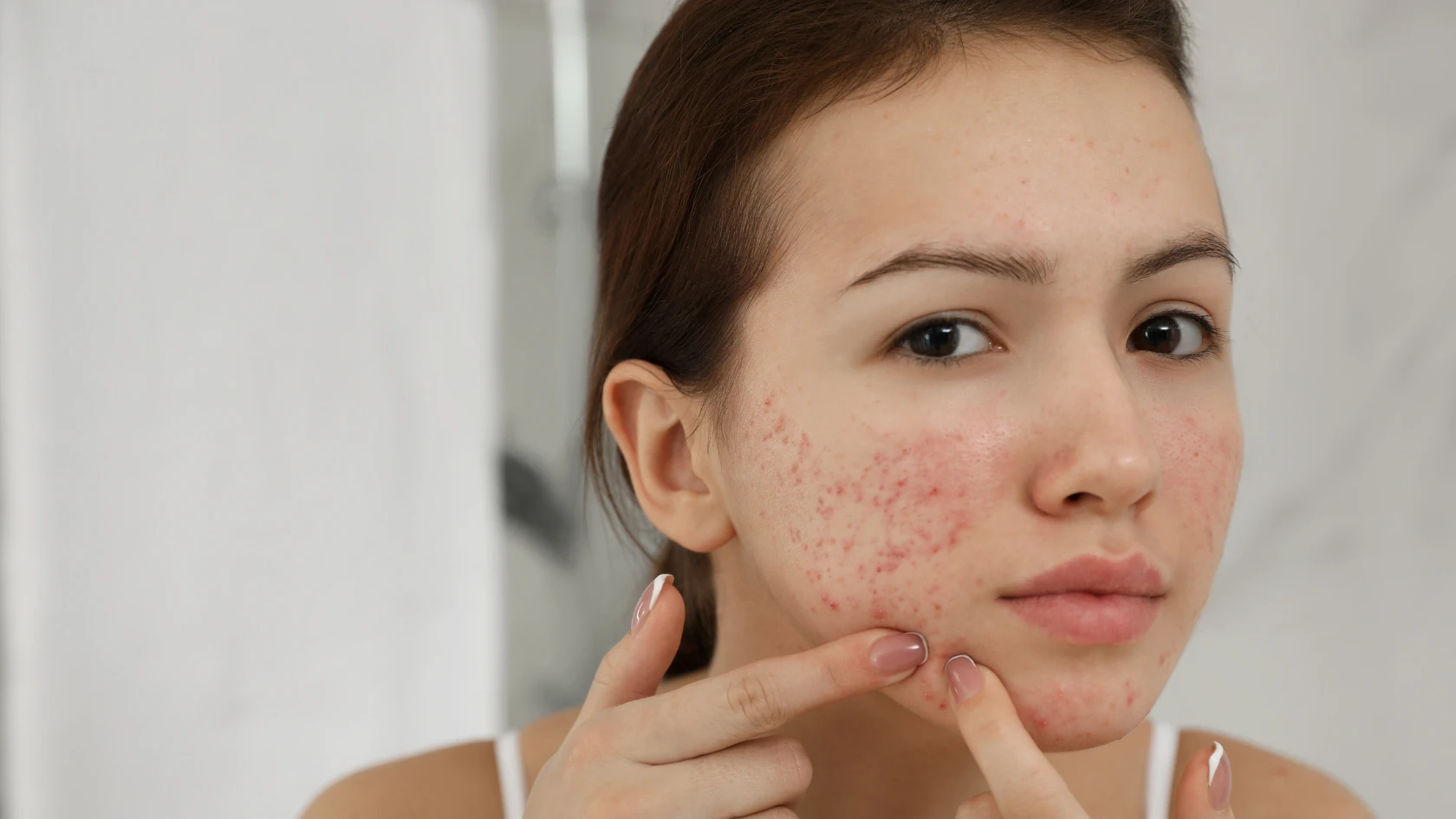
Hormonal acne typically appears along the jawline, chin, and neck, often flaring before periods or during times of stress, while regular acne usually shows up in the T-zone (forehead, nose, cheeks).
Hormonal breakouts are driven by internal hormone fluctuations and tend to be deeper, cystic lesions, whereas regular acne is primarily caused by bacteria, oil, and external factors.
Treatment approaches differ significantly—hormonal acne often requires addressing internal imbalances, while regular acne responds well to topical antibacterial and exfoliating treatments.
Hormonal acne is triggered by fluctuations in hormones like androgens, which increase oil production and inflammation in specific areas of your face. These breakouts are tied to your internal hormonal cycles—think monthly periods, pregnancy, menopause, or times of high stress. The spots tend to be deeper, more inflamed, and often cystic.
Regular acne, on the other hand, happens when pores get clogged with oil, dead skin cells, and bacteria (primarily P. acnes). While hormones can play a role here too, the main drivers are external factors like skincare products, environmental pollution, or simply genetics that make you more prone to clogged pores.
The key difference lies in the trigger. Hormonal acne starts from within your body's chemical messaging system, while regular acne is more about what's happening on the surface of your skin. This is why a gentle cleanser like the Asaya Daily Clear Salicylic Face Cleanser works well for regular breakouts by removing excess oil and bacteria, but hormonal acne often needs a more comprehensive approach.
Figuring out whether your breakouts are hormonal isn't always straightforward, but there are some telltale patterns that can help you identify the type you're dealing with.
Hormonal acne loves the lower third of your face—your jawline, chin, and neck. This area has more hormone-sensitive oil glands, which is why breakouts cluster there when your hormones fluctuate. Regular acne typically shows up in your T-zone: forehead, nose, and cheeks, where oil production is naturally higher.
If your breakouts follow a monthly pattern, appearing about a week before your period and clearing up afterward, that's a strong sign of hormonal acne. You might also notice flare-ups during stressful times, pregnancy, or when starting or stopping birth control.
Hormonal breakouts tend to be deeper, more painful, and often cystic. They're the kind that feel like a tender bump under your skin for days before coming to a head. Regular acne is usually more surface-level—blackheads, whiteheads, and smaller inflamed bumps that respond quickly to treatment.
While teenagers can get hormonal acne, it's more common for it to start or persist into your twenties and thirties. If you're dealing with adult-onset acne or breakouts that didn't improve after your teenage years, hormones are likely involved.
Hormonal acne is notoriously stubborn when it comes to typical acne treatments. If you've tried multiple over-the-counter products without success, or if your skin clears up temporarily only to break out again in the same spots, you're probably dealing with hormonal triggers.
Understanding what's driving your breakouts helps you choose the right treatment approach. The causes are quite different, which explains why the same product might work brilliantly for your friend but do nothing for you.
Androgens like testosterone increase oil production in hormone-sensitive areas. Even small fluctuations can trigger breakouts, which is why many women notice acne flares around ovulation and menstruation. Conditions like PCOS can cause consistently elevated androgens, leading to persistent hormonal acne.
Stress hormones like cortisol also play a role. When you're stressed, your body produces more cortisol, which can increase oil production and inflammation. This is why you might break out during exam periods, work deadlines, or major life changes.
Regular acne is primarily about pore-clogging. Dead skin cells that don't shed properly, excess oil production, and bacterial overgrowth create the perfect storm for breakouts. Using heavy or comedogenic products can worsen this by adding more pore-clogging ingredients to the mix.
Environmental factors like pollution, humidity, and even touching your face frequently can contribute to regular acne. Poor skincare habits—like over-cleansing or using harsh scrubs—can also disrupt your skin barrier and make breakouts worse.
The location of your breakouts is one of the most reliable ways to identify the type of acne you're dealing with. Your skin has different concentrations of hormone-sensitive oil glands in different areas, which creates distinct patterns.
Hormonal acne typically appears along your jawline, chin, and neck—areas that correspond to hormone-sensitive sebaceous glands. You might also see breakouts on your chest and back, particularly along the bra line or where clothing creates friction. These spots tend to be deeper and more inflamed than regular breakouts.
Regular acne shows up where oil production is naturally higher: your forehead, nose, and cheeks. These areas have more sebaceous glands per square inch, making them prone to clogged pores regardless of hormonal fluctuations. The breakouts here are often a mix of blackheads, whiteheads, and smaller inflamed bumps.
Cystic acne can be either hormonal or regular, but when it's hormonal, it tends to be deeper, more painful, and concentrated in the lower face. When it's regular cystic acne, it's usually more widespread and responds better to topical treatments.
The treatment approach for hormonal and regular acne differs significantly because you're addressing different root causes. What works for one type might be completely ineffective—or even counterproductive—for the other.
Hormonal acne often requires addressing the internal imbalance. Medical treatments like spironolactone (which blocks androgens) or certain birth control pills can help regulate the hormones driving breakouts. These treatments work from the inside out, which is why they take longer to show results but can be more effective long-term.
For skincare, gentle is key. Harsh treatments can actually make hormonal acne worse by irritating already inflamed skin. A gentle routine with products like the Asaya 2% Salicylic Acid & 5% Niacinamide Serum can help manage oil production and inflammation without over-drying or irritating hormone-sensitive skin.
Natural approaches like spearmint tea, zinc supplements, and omega-3 fatty acids may help some people by supporting hormone balance, though the evidence is mixed and results take time.
Regular acne responds well to topical treatments that target bacteria, oil, and dead skin cell buildup. Ingredients like benzoyl peroxide kill acne bacteria, while salicylic acid helps unclog pores and reduce inflammation.
A consistent routine with gentle exfoliation and oil control usually works well. The Asaya 15% Vitamin C + E Serum with Ferulic Acid can help with post-acne marks and overall skin health, while targeted treatments address active breakouts.
Prevention is often easier with regular acne since you can control many of the external triggers. Using non-comedogenic products, keeping your phone and pillowcases clean, and maintaining a consistent skincare routine can prevent many breakouts.
While you can often identify your acne type at home, there are times when professional help is essential. If you're dealing with severe cystic acne, scarring, or breakouts that don't respond to over-the-counter treatments after 6-8 weeks, it's time to see a dermatologist.
For suspected hormonal acne, your doctor might recommend hormone testing to check androgen levels, insulin resistance, or thyroid function. These tests can reveal underlying conditions like PCOS that need medical management.
Professional treatments like prescription retinoids, antibiotics, or hormonal therapies can be game-changers when over-the-counter options aren't enough. Your dermatologist can also help you avoid common mistakes like over-treating your skin or using products that work against each other.
Look at the location (jawline and chin for hormonal, T-zone for regular), timing (monthly flares suggest hormonal), and depth (deep, cystic bumps are often hormonal). If your breakouts follow your menstrual cycle or started in adulthood, they're likely hormonal.
Hormonal acne often requires a combination approach: gentle skincare to manage symptoms, lifestyle changes to support hormone balance, and sometimes medical treatment to address the underlying hormonal triggers. Products from Asaya's range, like their niacinamide serum, can help manage oil and inflammation while you work on the hormonal aspect.
Track your breakouts for 2-3 months, noting location, timing, and characteristics. Take photos to spot patterns you might miss day-to-day. Consider factors like stress, diet, skincare products, and menstrual cycle timing.
Hormonal acne often peaks during times of major hormonal change: puberty (ages 12-18), early adulthood (20s-30s), pregnancy, and perimenopause. Many people experience their worst hormonal acne in their twenties and thirties, even if they had clear skin as teenagers.
Understanding whether you're dealing with hormonal or regular acne is the first step toward clearer skin. The location, timing, and characteristics of your breakouts provide valuable clues about the underlying cause, which determines the most effective treatment approach.
Remember that many people deal with both types of acne simultaneously, which is why a comprehensive approach often works best. While hormonal acne requires patience and often internal treatment, regular acne typically responds well to consistent topical care.
For those dealing with post-acne marks and uneven skin tone from either type of breakout, Asaya's MelaMe™ Complex offers targeted support. This advanced skincare-engineered, melanin-first molecule is designed to visibly treat discolouration and restore pigment balance within 2 weeks of regular use. It works by breaking down excess melanin deposits into re-absorbable amino acids while inhibiting future melanin production, helping fade existing marks while preventing new ones from forming—particularly valuable for anyone dealing with the aftermath of stubborn hormonal or regular acne breakouts.
