


Finally Fade PIH After Pimples: A Guide for Indian Skin Tones
Your Cart
0You May Also Like

₹599 ₹749

₹424 ₹499

₹479 ₹599

₹559 ₹699

₹424 ₹499

₹439 ₹549
That brown mark left after a pimple can feel more stubborn than the breakout itself. You are not imagining it. Melanin-rich Indian skin can form stronger dark spots after acne, irritation, or sun exposure. The good news is that a steady routine can help fade acne marks. The key is using the right actives in the right order. It also means avoiding the habits that keep inflammation going. Asaya builds skincare for melanin-rich Indian skin, with a focus on dark spots, acne marks, and uneven tone. This guide explains how to fade PIH after pimples, what to use, what to avoid, and when to seek help.
Use gentle brightening actives, moisturiser, and daily SPF 30 or higher. For melanin-rich skin prone to PIH, a higher SPF such as SPF 50 provides stronger protection.
Start slowly. Irritation can trigger more PIH on darker skin tones.
Epidermal PIH may fade in weeks to months. Dermal PIH often takes longer.
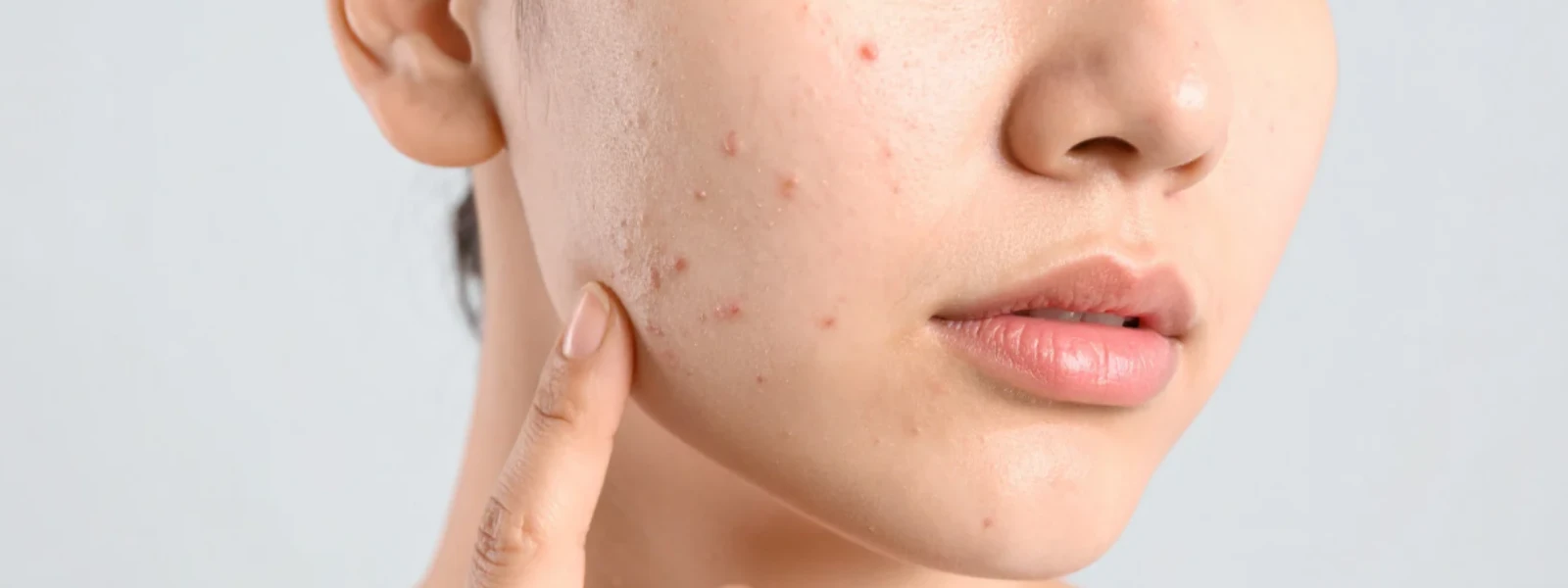
Post-inflammatory hyperpigmentation, or PIH, is extra melanin left after inflammation. A pimple, scratch, or harsh product can start the process. Fitzpatrick IV to VI skin tones have higher melanocyte activity, which means the skin produces more pigment in response to even minor injury. This can make marks look deeper and last longer.
PIH is not the same as acne scars. Unlike acne scars treatment, which targets texture changes, PIH treatment focuses on colour correction. The face may also fade faster than the body, where marks can linger longer.
Use a simple glass test. Press a clear glass gently against the mark. If the colour fades, it may be PIE, which is linked to blood vessels. If it stays brown or grey, it is more likely PIH, which is pigment-based. Some people have both.
Epidermal PIH sits closer to the skin surface. Dermal PIH sits deeper in the skin. Deep marks often take longer to fade, especially on melanin-rich skin.
Melanocytes make melanin when skin senses inflammation or UV exposure. In Indian skin, this response can create visible marks after even a small breakout. Slow skin turnover can leave pigment in place for longer.
Sun exposure adds to the problem. It can darken existing PIH and encourage more pigment. Picking pimples adds fresh inflammation too. This is why prevention matters as much as treatment.
A useful post-inflammatory hyperpigmentation treatment supports both old and new dark spots. Vitamin C can help reduce melanin synthesis, but it can oxidise in humid conditions.
Niacinamide helps limit melanosome transfer and is often suitable for sensitive, acne-prone skin.
Retinoids support faster cell turnover. Start slowly and stop if your skin burns or peels. Too much irritation can cause more PIH on darker tones.
Kojic acid helps reduce melanin production. Azelaic acid supports clearer skin while helping with uneven tone. Alpha arbutin helps regulate pigment formation. These ingredients are available in some over-the-counter skincare in India. Check each product label and use one new active at a time.
Asaya products use different approaches. The Asaya D-Tan Face Cleanser is a rinse-off cleanser with glycolic acid, manjistha, mulberry root extract, and hyaluronic acid. The Asaya Spot Light Sunscreen includes MelaMe™ Complex and niacinamide for daily sun protection and pigment care.
Over-exfoliation can damage your barrier. A damaged barrier can sting, peel, and become inflamed. That inflammation may deepen dark spots.
Do not pick or squeeze pimples.
Do not combine many strong actives at once.
Do not skip sunscreen after using brightening actives.
Be careful with harsh scrubs and untested home remedies.
Keep your routine simple. In the morning, cleanse gently, apply one brightening active, moisturise, and finish with SPF 30 or higher. The Asaya Sheer Milk Sunscreen offers SPF 50 and PA++++ protection with vitamin C and niacinamide. It is made for oily, acne-prone, and combination skin.
At night, cleanse and use one active. Add moisturiser after it. If your skin feels sore, pause the active and focus on barrier care. The Asaya D-Tan Face Cleanser can fit into a daily cleansing step, while the Asaya Super Fade Regenerative Peel is a weekly acid peel with a 30% AHA + BHA + PHA blend and MelaMe™ Complex. Do not use a strong peel when your skin is already irritated.
UV exposure is a major trigger for darker PIH. Use broad-spectrum SPF 30 or higher every morning, and note that SPF 50 provides stronger protection for melanin-rich skin prone to PIH. Apply it indoors near bright windows too. Reapply during long outdoor hours.
Options include the Asaya Spot Light Sunscreen, the Sheer Milk Sunscreen, and the Sun Drip Mineral Sunscreen. Choose a texture you can use every day. Consistency matters more than a complicated routine.
Epidermal PIH may take weeks to months to fade. Dermal PIH often needs more time. Your skin tone, mark depth, sun exposure, acne control, and routine all affect the pace.
Do not judge a product after a few days. Take photos in the same light and check progress over time. New pimples can create new marks while old ones fade.
Seek professional advice if marks keep spreading, change quickly, itch, hurt, or do not improve with gentle care. A dermatologist may discuss chemical peels or lasers. These treatments need care on darker Indian skin tones because irritation can cause more PIH.
Vitamin C, niacinamide, retinoids, and daily SPF can support PIH fading. Consistent use matters. Asaya's MelaMe™ Complex is designed to regulate tyrosinase and support melanophagy, which helps address new and existing pigment.
There is no single product for everyone. Look for a suitable ingredient category, daily sun protection, and a routine your skin can tolerate.
PIH follows inflammation, such as acne. Melasma often appears in larger, uneven patches. Sun spots follow sun exposure. This guide focuses on PIH from pimples.
Accutane treats acne, not PIH directly. Fewer breakouts may help reduce new dark spots. Existing PIH still needs pigment-focused care.
Learning how to fade PIH after pimples takes patience and care. Protect your skin from UV light, treat acne gently, and introduce actives slowly. Asaya's MelaMe™ Complex is a skincare-engineered, melanin-first molecule designed to treat discolouration and support pigment balance within two weeks of regular use. It helps break down excess melanin deposits into re-absorbable amino acids and inhibits excess melanin production. Results still depend on regular use and individual skin response.
