


9 Natural Alternatives to Salicylic Acid for Active Acne
Your Cart
0You May Also Like
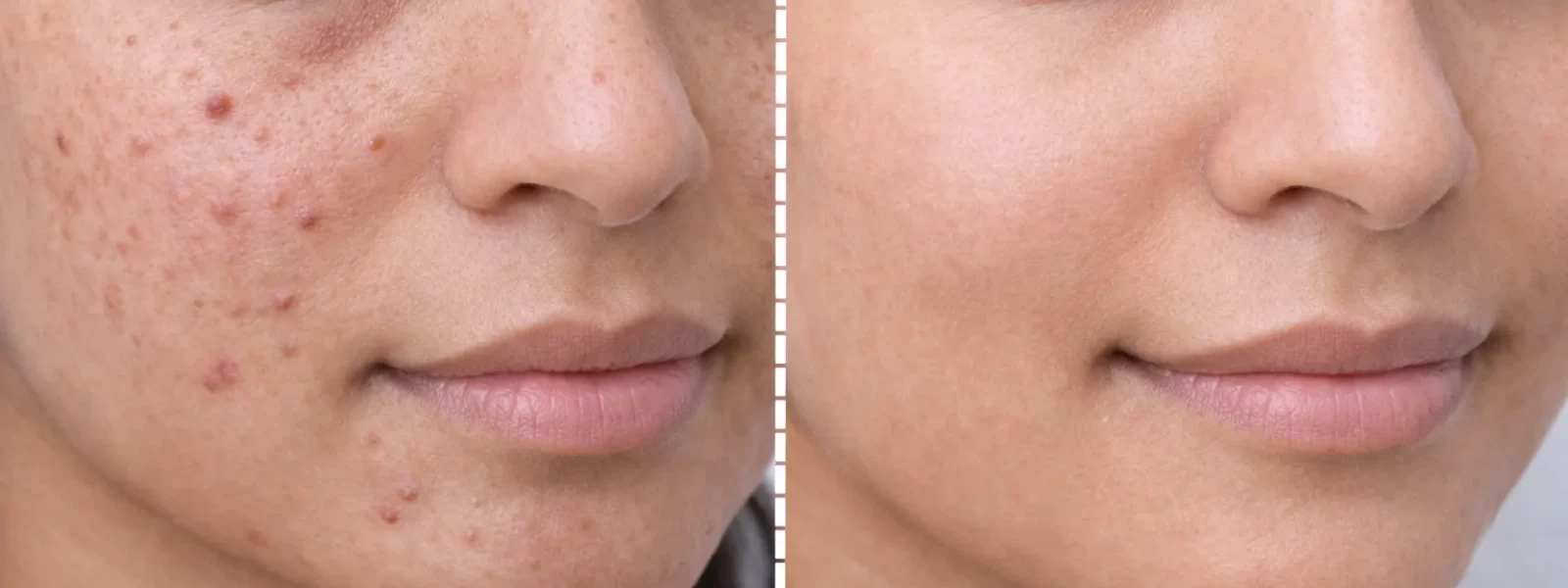
Salicylic acid works well for many people, but it's not the only path to clear skin. If you've experienced irritation, dryness, or just want gentler options for your acne-prone skin, you're not alone. Many effective natural alternatives can tackle active breakouts without the harsh side effects. These dermatologist-approved ingredients work through different mechanisms—some fight bacteria, others reduce inflammation, and many provide gentle exfoliation that won't leave your skin feeling stripped. Whether you're dealing with sensitive skin, pregnancy restrictions, or simply prefer plant-based solutions, there are proven natural options that can help manage active acne effectively.
Nine natural alternatives to salicylic acid can effectively treat active acne, including willow bark extract, azelaic acid, and tea tree oil
These gentler options work through antibacterial, anti-inflammatory, or mild exfoliating actions without the irritation risk of traditional BHA
Choose based on your skin type and acne severity—sensitive skin benefits from niacinamide and green tea, while oily skin can handle stronger options like mandelic acid
Salicylic acid is a beta hydroxy acid that penetrates oil-filled pores to dissolve dead skin cells and excess sebum. While effective, it can cause significant irritation, especially for those with sensitive or melanin-rich skin. The drying effects can trigger increased oil production, creating a cycle where your skin overcompensates for the stripped moisture barrier.
Many people experience redness, peeling, and increased sensitivity when using salicylic acid regularly. Pregnant and breastfeeding women often need to avoid it entirely. Additionally, it can interact poorly with other active ingredients like retinoids or vitamin C, limiting your skincare options.
Natural alternatives typically offer anti-inflammatory benefits alongside their acne-fighting properties. They're often gentler on the skin barrier while still providing effective results. Many work well in combination with other ingredients, giving you more flexibility in building a comprehensive routine.
These natural ingredients have clinical backing and dermatologist approval for treating active acne. Each works through different mechanisms, so you can choose based on your specific skin needs and tolerance levels.
Willow bark contains salicin, which converts to salicylic acid in the skin but delivers it more gently. This natural source provides similar pore-clearing benefits without the harsh irritation. Dermatologists often recommend it for those who want BHA benefits but can't tolerate synthetic salicylic acid.
Derived from wheat, barley, and rye, azelaic acid fights acne bacteria while reducing inflammation. It's particularly effective for those with sensitive acne-prone skin because it doesn't cause the dryness associated with traditional exfoliants. Clinical studies show it's as effective as benzoyl peroxide for mild to moderate acne.
This essential oil has natural antibacterial properties that specifically target acne-causing bacteria. Research shows 5% tea tree oil can be as effective as 5% benzoyl peroxide but with fewer side effects. Always dilute it properly—never apply pure tea tree oil directly to skin.
Niacinamide regulates oil production while reducing inflammation in active breakouts. It strengthens the skin barrier, making it ideal for those whose acne worsens with harsh treatments. Studies show 4% niacinamide can significantly reduce acne lesions within 8 weeks of consistent use.
Beyond its sunscreen properties, zinc oxide has antimicrobial effects that help heal active acne. It's particularly useful for inflamed breakouts because it calms irritation while fighting bacteria. Dermatologists often recommend zinc-based treatments for those with reactive skin.
Rich in antioxidants and anti-inflammatory compounds, green tea extract soothes irritated skin while fighting acne bacteria. The polyphenols in green tea help regulate sebum production naturally. It's gentle enough for daily use and works well in combination with other acne treatments.
This alpha hydroxy acid provides gentle exfoliation without the irritation of stronger acids. Its larger molecular size means it penetrates slowly, making it suitable for sensitive skin. Mandelic acid is particularly beneficial for those with darker skin tones as it's less likely to cause post-inflammatory hyperpigmentation.
A traditional acne remedy that's been used for centuries, sulfur absorbs excess oil while providing antibacterial benefits. Modern formulations mask the smell and deliver sulfur more effectively than older treatments. It's especially useful for those with oily, acne-prone skin.
Derived from the babchi plant, bakuchiol offers retinol-like benefits without the irritation. It helps with cell turnover and can improve acne while being gentle enough for sensitive skin. Recent studies show it can be as effective as retinol for improving skin texture and reducing breakouts.
Your skin type and acne severity should guide your choice of natural alternatives. What works for oily, resilient skin might be too strong for sensitive or dry acne-prone skin.
Start with niacinamide or green tea extract, as these are the gentlest options. Always patch test new ingredients and introduce them slowly. Azelaic acid is another excellent choice for sensitive skin that still needs effective acne treatment.
Sulfur, mandelic acid, or properly diluted tea tree oil can handle more robust treatment. You can also combine multiple ingredients, like niacinamide with zinc oxide, for enhanced oil control and acne fighting.
Focus on anti-inflammatory ingredients like azelaic acid and green tea extract. These help calm the inflammation that characterizes hormonal breakouts. Niacinamide is particularly useful for regulating the oil production spikes that come with hormonal fluctuations.
Building a routine with natural ingredients requires understanding how they work together and when to apply them for maximum effectiveness.
Start with a gentle cleanser, apply niacinamide or green tea extract, and always finish with zinc oxide sunscreen. Morning routines should focus on protection and oil control rather than intensive treatment.
Evening is when you can use stronger natural alternatives like mandelic acid or properly diluted tea tree oil. Follow with a gentle moisturizer to support your skin barrier overnight. This is also when you'd incorporate bakuchiol if you're using it as a retinol alternative.
Azelaic acid, willow bark extract, and mandelic acid are the closest natural substitutes. They provide similar pore-clearing benefits but with less irritation. For those seeking Asaya's approach to acne treatment, ingredients that work specifically with melanin-rich skin tend to be more effective than one-size-fits-all solutions.
Clinical studies show many natural alternatives can be equally effective, especially for mild to moderate acne. They may take slightly longer to show results but often provide additional benefits like reduced inflammation and better skin barrier support.
While some natural ingredients can be used at home, proper formulation and concentration are crucial for safety and effectiveness. Commercial products ensure proper pH levels and stability that DIY versions often lack.
Most natural alternatives show initial improvements within 2-4 weeks, with significant results visible after 6-8 weeks of consistent use. This timeline is similar to traditional acne treatments but with fewer side effects during the adjustment period.
Natural alternatives to salicylic acid offer effective acne treatment without the harsh side effects many people experience with traditional BHA. Whether you choose willow bark extract for its gentle exfoliation or niacinamide for oil control, these dermatologist-approved ingredients can help you achieve clearer skin while maintaining a healthy skin barrier. The key is choosing the right alternative for your specific skin type and being consistent with application. For those dealing with post-acne dark spots alongside active breakouts, ingredients like MelaMe™ Complex work specifically with melanin-rich skin to address both concerns simultaneously. This advanced skincare engineering from Asaya targets discoloration while preventing new dark spots from forming, offering a comprehensive approach that recognizes how acne and pigmentation behave differently on Indian skin tones.
