


11 Affordable Dark Spots Serums with Proven Results
Your Cart
0You May Also Like

₹599 ₹749

₹424 ₹499

₹479 ₹599

₹559 ₹699

₹424 ₹499

₹439 ₹549
Acne is frustrating enough on its own. But for a lot of us, the breakout clears up and leaves behind something that sticks around far longer — a dark spot, a flat mark, a patch of uneven skin that makes it look like the acne never really left. If you have Indian or deeper skin, you know this pattern well. Melanin-rich skin tends to respond to inflammation by producing extra pigment, which is why post-acne marks can linger for weeks or even months. The good news is that understanding what's actually happening under your skin makes it a lot easier to treat it the right way.
Acne causes inflammation that triggers excess melanin, leaving dark spots behind even after the breakout heals.
The right ingredients — like Niacinamide, Alpha Arbutin, and Kojic Acid — can visibly fade post-acne marks with consistent use over 2–4 weeks.
A simple, targeted routine (cleanser, serum, moisturiser, SPF) is more effective than layering too many products at once.
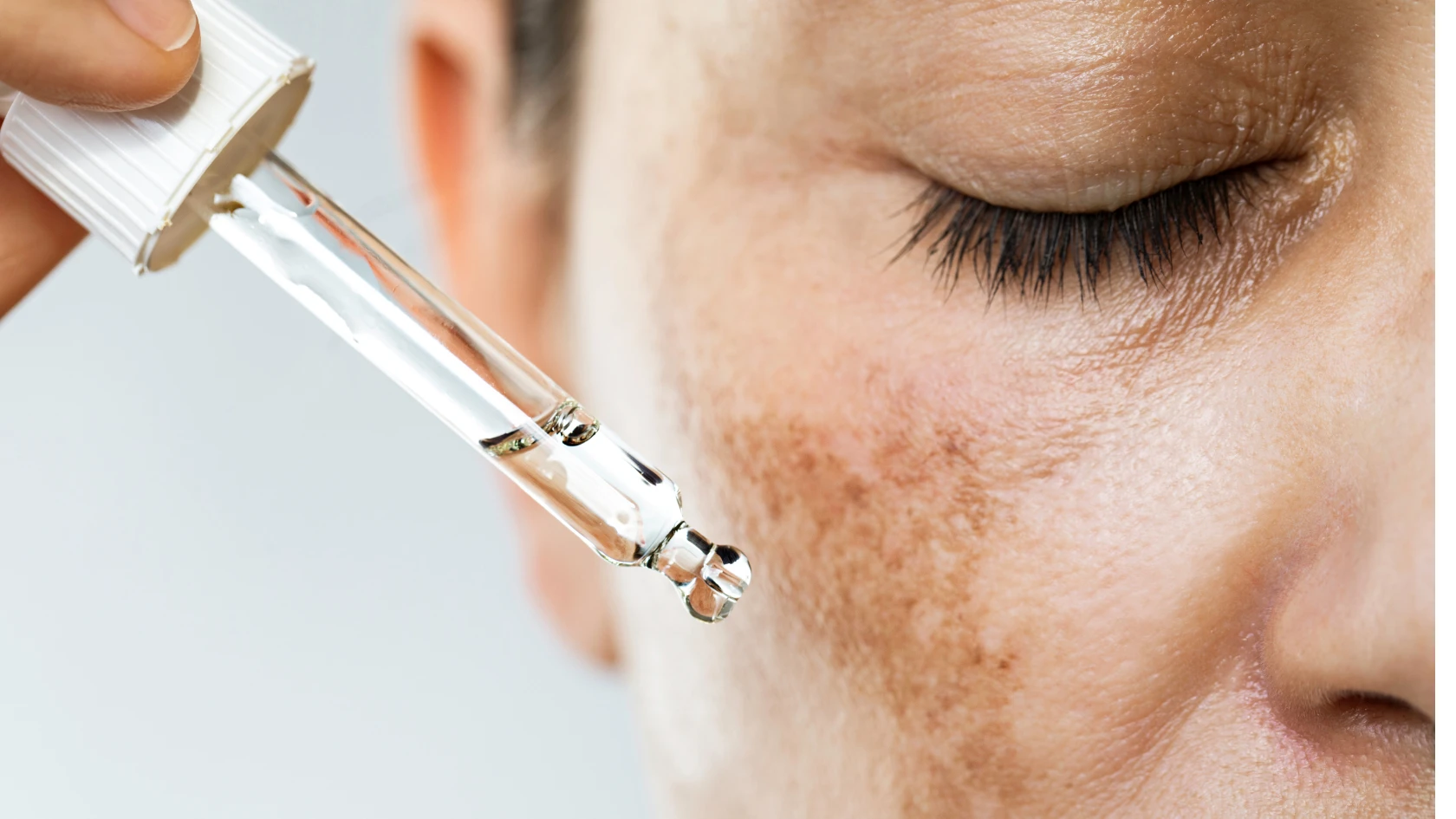
When your skin gets inflamed — whether from a pimple, a cyst, or even a spot you picked at — it goes into repair mode. Part of that repair process involves melanocytes, the cells that produce pigment. In melanin-rich skin, these cells are more reactive. They produce extra melanin in the area that was inflamed, and that excess pigment shows up as a dark spot once the acne itself heals. This is called post-inflammatory hyperpigmentation, or PIH.
It is not a scar in the traditional sense — there is no texture change, no tissue damage. It is purely a pigment response. Which means it can be faded with the right approach. It just takes a little patience and the right ingredients working consistently.
The more inflamed the breakout, the darker the mark it tends to leave. Cystic acne, deep pimples, and anything that gets picked or squeezed tends to cause more inflammation — and therefore more pigment. Keeping inflammation low (and hands off) is genuinely one of the best things you can do to prevent severe post-acne marks from forming in the first place.
Melanin-rich skin has more active melanocytes. That is actually a protective feature — it is why deeper skin tones have more natural UV protection. But it also means the skin's pigment response to any kind of stress or injury is stronger. Post-acne dark spots tend to be darker, more visible, and slower to fade on Indian skin compared to lighter skin tones. Most mainstream skincare was not formulated with this in mind, which is why so many products simply do not deliver the results they promise for our skin.
Not every brightening ingredient is created equal, and not all of them are suited to acne-prone skin. Here is what the science actually supports for fading dark spots left behind by breakouts.
Niacinamide works by interrupting the transfer of melanin to the skin's surface. At 5%, it visibly reduces dark spots and also helps regulate sebum, which makes it particularly useful for oily and acne-prone skin. It is also anti-inflammatory, so it helps calm active breakouts while fading the marks they leave behind.
Alpha Arbutin inhibits the enzyme that triggers melanin production. At 2%, it is one of the more effective and well-tolerated brightening ingredients available — gentle enough for sensitive skin, effective enough to make a visible difference on stubborn post-acne marks over a few weeks of consistent use.
Kojic Acid is derived from fungi and works similarly to Alpha Arbutin — it blocks melanin production at the source. It is particularly effective on sun-induced pigmentation and PIH. At 2%, paired with Alpha Arbutin, it creates a complementary brightening effect that works on multiple pathways at once.
Ingredients are only as effective as their ability to reach the right layer of skin. Some formulations use delivery technologies — like spicule microchannels — to push active ingredients deeper into the skin, which can speed up results on stubborn or deep-rooted pigmentation.
The most common mistake people make is treating acne and dark spots as two separate problems that need two separate routines. They are connected. A routine that addresses both at the same time is simpler, more consistent, and more effective.
Here is what a practical, targeted routine looks like — and where specific products can fit in without overcomplicating things.
A low-pH gel cleanser removes excess oil, sunscreen, and daily buildup without disrupting your skin barrier. The Asaya Even Tone Face Cleanser does this while also delivering active ingredients — Niacinamide, Alpha Arbutin, Kojic Acid, and the MelaMe™ Complex — at the cleansing step. It is a rinse-off product, so the actives are not on your skin long, but it sets the stage for everything that follows.
This is where the real work happens. For acne-prone and oily skin, a lightweight gel formula tends to absorb faster and feel less heavy than a traditional serum. The Asaya Advanced Spot Targeting Gel For Dark Spots and Acne Marks is formulated specifically for this skin type — it uses the MelaMe™ Complex alongside Alpha Arbutin, Peptides, and a spicule microchannel delivery system to push actives deeper into the skin for faster results on stubborn acne marks and PIH. It is designed for targeted spot application, so you apply it directly to the marks rather than all over.
If you prefer a serum for all-over application — especially if you have widespread uneven tone alongside acne marks — the Asaya Advanced Spot Targeting Serum with 5% Niacinamide and 2% Alpha Arbutin works across the full face and is lightweight enough for daily use in all seasons.
Acne-prone skin still needs moisture. Skipping moisturiser often makes oiliness worse, not better, because the skin overproduces sebum to compensate for dryness. The Asaya Even Evermore Creme uses Ceramides to repair and maintain the skin barrier while Alpha Arbutin and the MelaMe™ Complex continue working on pigmentation. It is suitable for AM and PM use and works well even on skin that tends to break out.
UV exposure is one of the biggest reasons dark spots do not fade — or get darker. Sunscreen is not optional when you are treating post-acne pigmentation. It is the step that protects everything else you are doing from being undone by daily sun exposure.
Dark spots take time to form, so they take a little time to fade too. With consistent use of the right actives, most people start to see visible fading in about two weeks. Deeper or older marks — the kind that have been sitting there for months — can take four to six weeks of daily use to show significant improvement.
Consistency matters more than intensity here. Using a well-formulated serum every day for four weeks will outperform using a stronger product sporadically. Skipping days, switching products too often, or layering too many actives at once tends to slow things down rather than speed them up.
Yes, in most cases. Ingredients like Niacinamide and Alpha Arbutin are gentle enough to use on skin with active breakouts, and Niacinamide in particular helps calm inflammation. Just avoid applying anything directly onto an open or very inflamed pimple — let it heal first, then target the mark it leaves behind.
Post-acne dark spots are flat and purely pigment-based — no texture change, no indentation. They respond well to topical brightening ingredients over time. Acne scars involve actual changes to the skin's texture or structure (like pitting or raised tissue) and typically need more intensive treatment. Most of what people call "acne scars" are actually post-acne dark spots, which is good news because they are much more treatable.
The Asaya Advanced Spot Targeting Gel For Dark Spots and Acne Marks is specifically formulated for oily, acne-prone, and combination skin. Its gel texture absorbs quickly without feeling heavy, and the spicule delivery system helps actives reach deeper into the skin for faster results on stubborn marks.
It is a cleanser, so the actives are on your skin briefly before being rinsed off. It is not a replacement for a leave-on serum. But it does contain Niacinamide, Alpha Arbutin, Kojic Acid, and the MelaMe™ Complex, which means even your cleansing step is contributing to the overall goal of fading dark spots and evening out your tone.
Post-acne dark spots are one of the most common skin concerns for people with Indian and melanin-rich skin — and one of the most fixable, with the right approach. The key is understanding that you are dealing with a pigment response, not permanent damage, and treating it with ingredients that actually address how melanin works in your skin.
That is exactly what Asaya's MelaMe™ Complex was developed to do. It is a melanin-first molecule that works on existing dark spots by breaking down excess melanin deposits into re-absorbable amino acids, while also inhibiting further excess melanin production. The result is fading of existing marks and prevention of new ones — with visible results in about two weeks of regular use. It is tested and proven, and it is the core of Asaya's approach to pigmentation across their serum, gel, and moisturiser range.
If post-acne marks have been bothering you, a consistent routine with the right actives is a good place to start. Give it two to four weeks, keep your sunscreen on, and let the ingredients do their work.
