


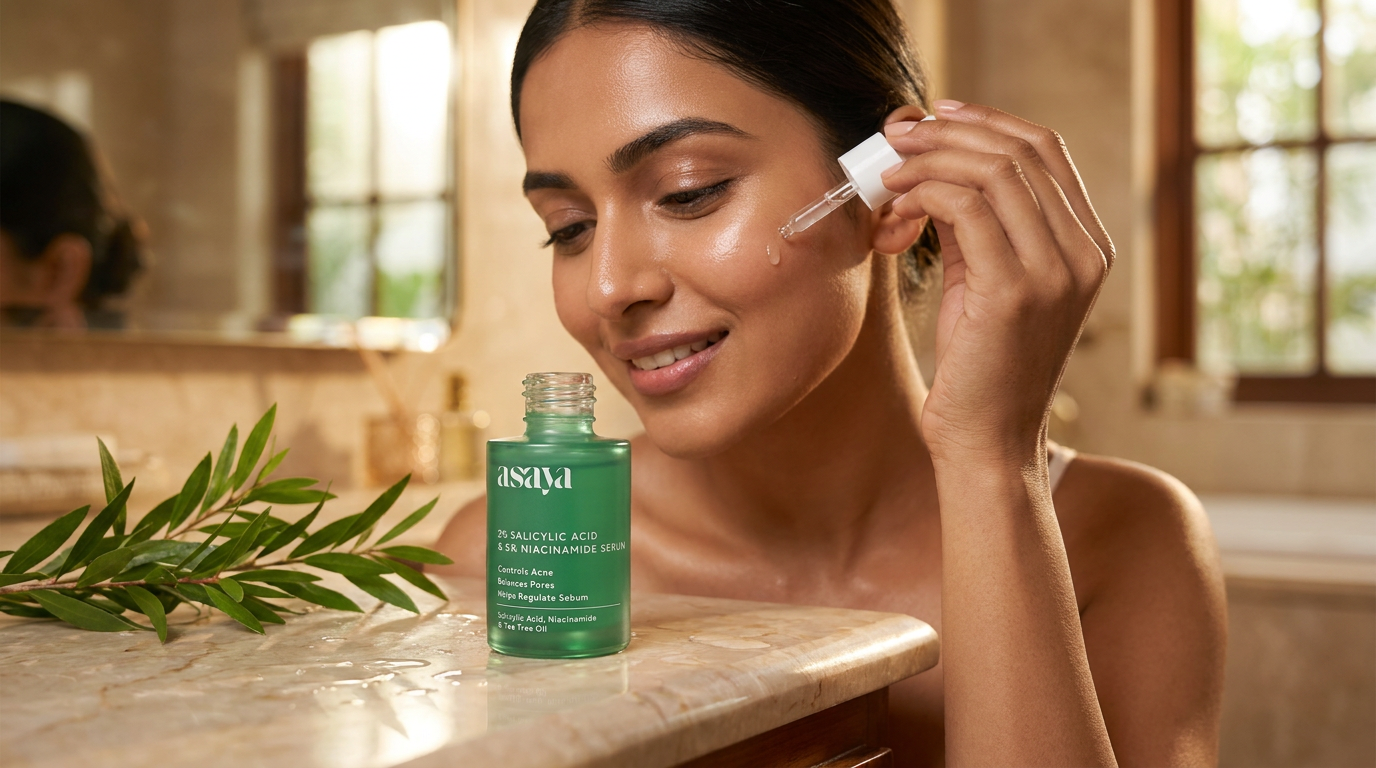
Dealing with acne-prone skin can be a journey, and sometimes, the focus shifts from just treating breakouts to strengthening your skin's natural defenses. A healthy skin barrier is key to managing acne and preventing future flare-ups. At Asaya, we understand that your skin needs gentle yet effective support. That's why we're diving into the ingredients that can help repair and fortify your skin barrier, especially when you're prone to acne. Think of it as building a stronger foundation for clearer, calmer skin. We'll explore how ingredients like ceramides, niacinamide, and hyaluronic acid work together to soothe irritation, reduce redness, and keep moisture in, while keeping irritants out. It's not about harsh treatments, but about nurturing your skin back to its balanced best. Discover how to choose products that support your skin barrier without clogging pores or causing further breakouts. Let's build resilience, together.
Featured skin barrier repair ingredients for acne-prone skin Collection
At Asaya, we believe in empowering you with knowledge about your skin. If you're navigating the challenges of acne-prone skin, understanding how to support your skin barrier is a game-changer. A compromised barrier can lead to increased sensitivity, inflammation, and even more breakouts. This guide focuses on the essential skin barrier repair ingredients that can make a real difference for acne-prone complexions.
The Importance of a Healthy Skin Barrier
Your skin barrier, also known as the stratum corneum, is your body's first line of defense. It's made up of skin cells and lipids that act like a protective shield. When this barrier is healthy, it keeps moisture in and harmful substances like bacteria and pollutants out. For acne-prone skin, a weakened barrier can mean more inflammation and a slower healing process for blemishes.
Key Ingredients for Barrier Repair
Several ingredients are known for their ability to strengthen and repair the skin barrier. Ceramides are naturally found in your skin and are crucial for maintaining its structure. When applied topically, they help replenish what's lost, making your skin feel smoother and more resilient. Niacinamide, a form of Vitamin B3, is a multi-tasker that not only helps reduce inflammation and redness associated with acne but also improves barrier function by boosting ceramide production. Hyaluronic acid is a humectant that draws moisture into the skin, keeping it hydrated and plump, which is essential for a healthy barrier.
Supporting Ingredients for Acne-Prone Skin
Beyond the core barrier-repairing ingredients, certain others can complement their action. Fatty acids, like those found in plant oils, can help support the lipid matrix of the skin. Panthenol (Pro-Vitamin B5) is another excellent ingredient that hydrates, soothes, and aids in skin healing. When choosing products, look for formulations that are non-comedogenic and free from harsh irritants that could further compromise your skin barrier.
Q: What is a skin barrier and why is it important for acne-prone skin?
A: Your skin barrier is the outermost layer of your skin, acting as a protective shield. For acne-prone skin, a healthy barrier is crucial because it helps prevent irritants and bacteria from entering, reduces inflammation, and keeps moisture in, which can lead to calmer, less reactive skin.
Q: Which ingredients are best for repairing the skin barrier?
A: Ceramides, niacinamide, and hyaluronic acid are excellent for repairing the skin barrier. Ceramides help rebuild the skin's natural structure, niacinamide strengthens barrier function and reduces inflammation, and hyaluronic acid provides essential hydration.
Q: Can these ingredients help with acne itself?
A: Yes, many barrier-repairing ingredients also benefit acne-prone skin directly. Niacinamide, for example, helps reduce redness and inflammation associated with acne. A stronger barrier also means your skin is better equipped to handle acne treatments without becoming overly irritated.
Q: How long does it take to see results from skin barrier repair?
A: Skin barrier repair is a process. While you might notice improvements in hydration and reduced sensitivity within a few weeks, significant repair and strengthening can take longer, often several months of consistent use of the right products.
Q: Are there any ingredients I should avoid when trying to repair my skin barrier?
A: When focusing on barrier repair, it's best to avoid harsh exfoliants (like high concentrations of AHAs/BHAs or physical scrubs), strong alcohols, and fragrances, as these can further strip and irritate the skin, hindering the repair process.
