


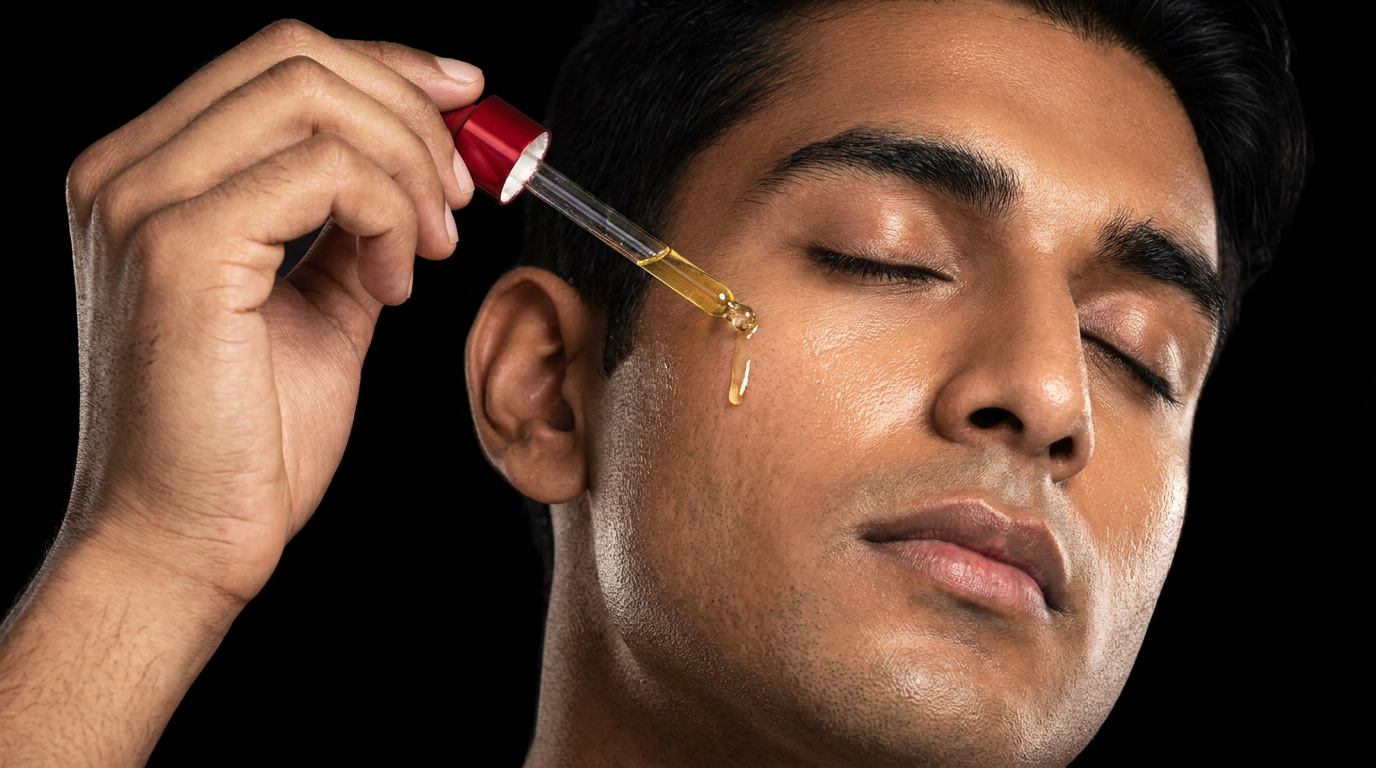
Dark spots don't care about your skin type—and neither should your serum. Asaya's targeted dark spot serums work on oily, dry, and combination skin, fading marks in weeks with clinically-backed actives like Kojic Acid and Alpha Arbutin. No guesswork. Just results for Indian skin.
Featured serum for dark spots oily/dry skin Collection
Dark spots happen when your skin produces extra melanin in one spot, usually after a breakout, sun exposure, or irritation. If you've got oily or dry skin, finding a serum that actually works without making things worse is the real challenge. Asaya's dark spot serums are formulated specifically for Indian skin tones, with actives that fade marks without the price tag of dermat-clinic treatments.
Why Dark Spots Stick Around (And Why Your Skin Type Matters)
Dark spots aren't just surface-level—they sit deeper in your skin, which is why random serums don't touch them. On oily skin, you need a lightweight formula that won't clog pores or feel greasy. On dry skin, you need hydration alongside the actives, or you'll end up with irritation and peeling. Most brands ignore this. Asaya doesn't. Our serums are built to work on both, because your dark spots deserve a solution that fits your actual skin, not a generic formula pretending to.
The Actives That Actually Work on Dark Spots
Kojic Acid and Alpha Arbutin are the gold standard for fading dark spots—they interrupt melanin production at the source. Niacinamide keeps your skin barrier strong while the actives do their job, so you get results without the irritation. These aren't new or experimental; dermatologists have been backing them for years. Dark spots take time to form, so they take a little time to fade too. Most people see visible fading in about 2 weeks with consistent use, and significant improvement in 6 to 8 weeks. That's real, not hype.
How to Use a Dark Spot Serum on Oily or Dry Skin
On oily skin: Apply to clean, dry skin before moisturizer. A serum is lighter than a cream, so it won't weigh you down. On dry skin: Use the serum, then follow with a hydrating moisturizer to lock it in. Either way, sunscreen is non-negotiable—sun exposure will undo your progress and darken spots further. If you're new to actives, start 3 to 4 times a week and build up to daily use. Your skin will thank you.
Q: How long does it take to see results from a dark spot serum?
A: Most people see visible fading in 2 to 3 weeks with consistent use. Significant improvement usually shows up in 6 to 8 weeks. Dark spots didn't form overnight, and they won't fade overnight either—but you will see progress.
Q: Can I use a dark spot serum on oily skin without it feeling greasy?
A: Yes, if you choose the right formula. Look for lightweight serums with hydrating actives like Niacinamide, not heavy oils. Apply to clean skin and skip extra layers if your skin is already oily. A good serum absorbs fast and doesn't leave residue.
Q: Will a dark spot serum work on dry skin, or will it cause peeling?
A: It depends on the formula and how you use it. Actives like Kojic Acid can be drying, so pair your serum with a hydrating moisturizer and use it 3 to 4 times a week at first. If peeling happens, dial back frequency and add more hydration. Your skin will adjust.
Q: Do I need to use sunscreen with a dark spot serum?
A: Absolutely. Sunscreen is not optional—it's essential. Sun exposure will darken your spots and undo your progress. Use SPF 30 or higher every single day, even indoors. This is the difference between results and wasted effort.
Q: Can I combine a dark spot serum with other actives like Vitamin C or Retinol?
A: You can, but start slow. Layer actives carefully and introduce one at a time so your skin doesn't get overwhelmed. If you're using Kojic Acid or Alpha Arbutin, space out other actives and always use sunscreen. When in doubt, stick with one active until you see how your skin responds.
