


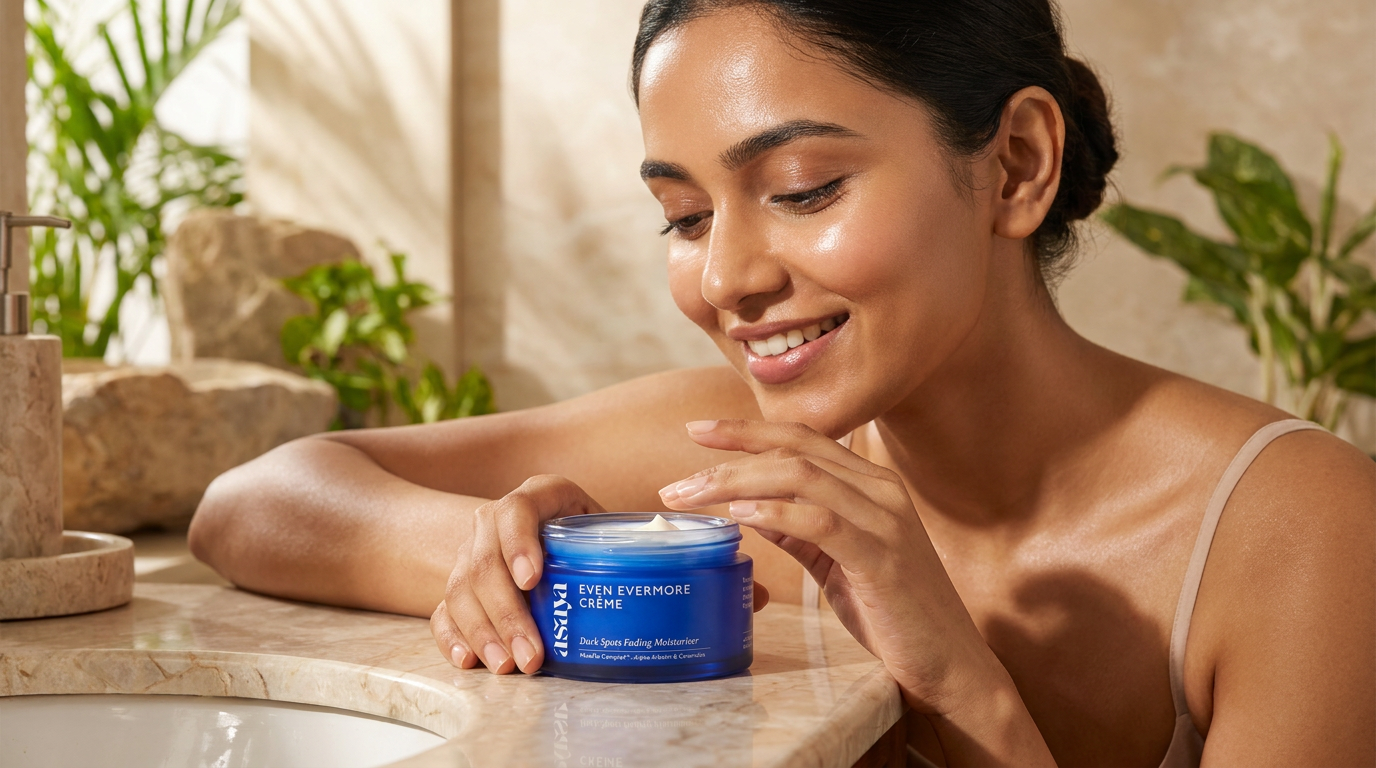
Finding the right moisturizer for your skin type isn't about following trends—it's about understanding what your skin actually needs. At Asaya, we help you cut through the noise and pick a moisturizer that works for pigmentation, acne-prone, and melanin-rich skin. Learn how to read labels, identify your skin type, and choose a moisturizer that delivers real results without the guesswork.
Featured how to choose a moisturizer Collection
Choosing a moisturizer feels like it should be simple, but when you're dealing with pigmentation, acne scars, or sensitive skin, the wrong product can make things worse. At Asaya, we know that moisturizers aren't one-size-fits-all—especially for Indian skin tones and the specific challenges that come with them. This guide walks you through how to pick a moisturizer that actually works for your skin, not against it.
Why the Right Moisturizer Matters for Pigmentation and Acne-Prone Skin
A lot of people skip moisturizer when they're dealing with acne or dark spots, thinking it'll make things worse. But here's the thing: when your skin is dry, it produces more oil to compensate, which can trigger breakouts. And if you're using actives like Niacinamide or Alpha Arbutin to fade dark spots, you need a good moisturizer to support your skin barrier while those ingredients do their work. The right moisturizer hydrates without clogging, soothes irritation, and helps your skin heal faster. It's not optional—it's foundational.
How to Identify Your Skin Type First
Before you pick a moisturizer, you need to know your baseline. Are you oily, dry, combination, or sensitive? The easiest way to figure this out: wash your face with a gentle cleanser, pat dry, and wait two hours without any products. Then look in the mirror. If your T-zone (forehead, nose, chin) looks shiny and your cheeks feel tight, you're combination. If your entire face feels greasy, you're oily. If everything feels tight and uncomfortable, you're dry. If your skin reacts easily to products or feels reactive, you're sensitive. Most people dealing with acne or pigmentation fall into the oily or combination category, but that doesn't mean you need a heavy cream—you need the right texture and ingredients.
Key Ingredients to Look For in a Moisturizer
Once you know your skin type, look at what's actually in the bottle. Hyaluronic Acid is a hydration powerhouse—it holds water in your skin and works for all skin types. Glycerin does the same thing and is especially good for sensitive skin. Niacinamide (also called Vitamin B3) is a multitasker: it hydrates, reduces redness, and helps with pore size. Ceramides strengthen your skin barrier, which is crucial if you're using actives for pigmentation. Centella Asiatica is calming and helps with irritation. Avoid heavy oils if you're acne-prone; instead, look for lightweight hydrating ingredients. And if you're using pigmentation-fighting actives, make sure your moisturizer doesn't contain ingredients that might interfere—your dermatologist or a skincare expert can confirm this for your specific routine.
Texture Matters: Gel vs. Cream vs. Serum-Moisturizer Hybrids
A moisturizer's texture should match your skin type. If you're oily or combination, a gel or lightweight lotion absorbs quickly without leaving a greasy film. If you're dry, a richer cream or balm provides deeper hydration. If you're acne-prone with oily skin, a serum-moisturizer hybrid (like a hydrating essence or lightweight serum) can give you hydration without the heaviness. The best way to test: apply a small amount to your cheek and wait 15 minutes. If it feels sticky or heavy, it's not the one. If it feels absorbed and your skin looks plump without shine, you've found your match.
How Long Does It Take to See Results?
A good moisturizer won't fade dark spots on its own—that's what targeted actives are for. But it will make your skin feel better within days: less tight, less irritated, more comfortable. If you're using a moisturizer as part of a pigmentation routine, you should see your skin looking clearer and more even-toned within 2-3 weeks. The key is consistency. Use it morning and night, and give it at least three weeks before deciding if it's working for you.
Red Flags: What to Avoid
Skip moisturizers with heavy silicones if you're acne-prone—they can trap bacteria. Avoid fragrance if your skin is sensitive or reactive. Don't buy based on the price tag alone; a cheaper moisturizer can work just as well as a luxury one if the ingredients are right. And be wary of moisturizers that promise to "erase" or "cure" dark spots—that's not how skin works. A good moisturizer supports your skin; actives do the heavy lifting on pigmentation.
Q: Can I use the same moisturizer year-round?
A: Not necessarily. In winter, you might need something richer; in summer, a lighter gel works better. Pay attention to how your skin feels and adjust accordingly. If your usual moisturizer starts feeling too heavy or too light, it's time to switch.
Q: Is it okay to skip moisturizer if I have oily or acne-prone skin?
A: No. Even oily skin needs hydration—it just needs the right kind. A lightweight, hydrating moisturizer won't make acne worse; it'll actually help your skin heal faster and reduce irritation from acne treatments.
Q: What's the difference between a moisturizer and a hydrating serum?
A: A serum is lighter and more concentrated with active ingredients; a moisturizer is heavier and focuses on locking in hydration. Many people use both: serum first, then moisturizer on top. If your skin is very oily, a hydrating serum alone might be enough.
Q: How much moisturizer should I use?
A: A pea-sized amount is usually enough for your face. Warm it between your fingers and press it into your skin—don't rub. If you're using it after a serum or active treatment, wait a minute for those to absorb first.
Q: Can I use a moisturizer if I'm using pigmentation-fighting actives?
A: Yes, absolutely. In fact, you should. Actives like Kojic Acid, Alpha Arbutin, and Niacinamide can be drying, so a good moisturizer helps your skin tolerate them better and recover faster. Just make sure your moisturizer doesn't contain ingredients that might reduce the effectiveness of your active—ask your dermatologist if you're unsure.
