


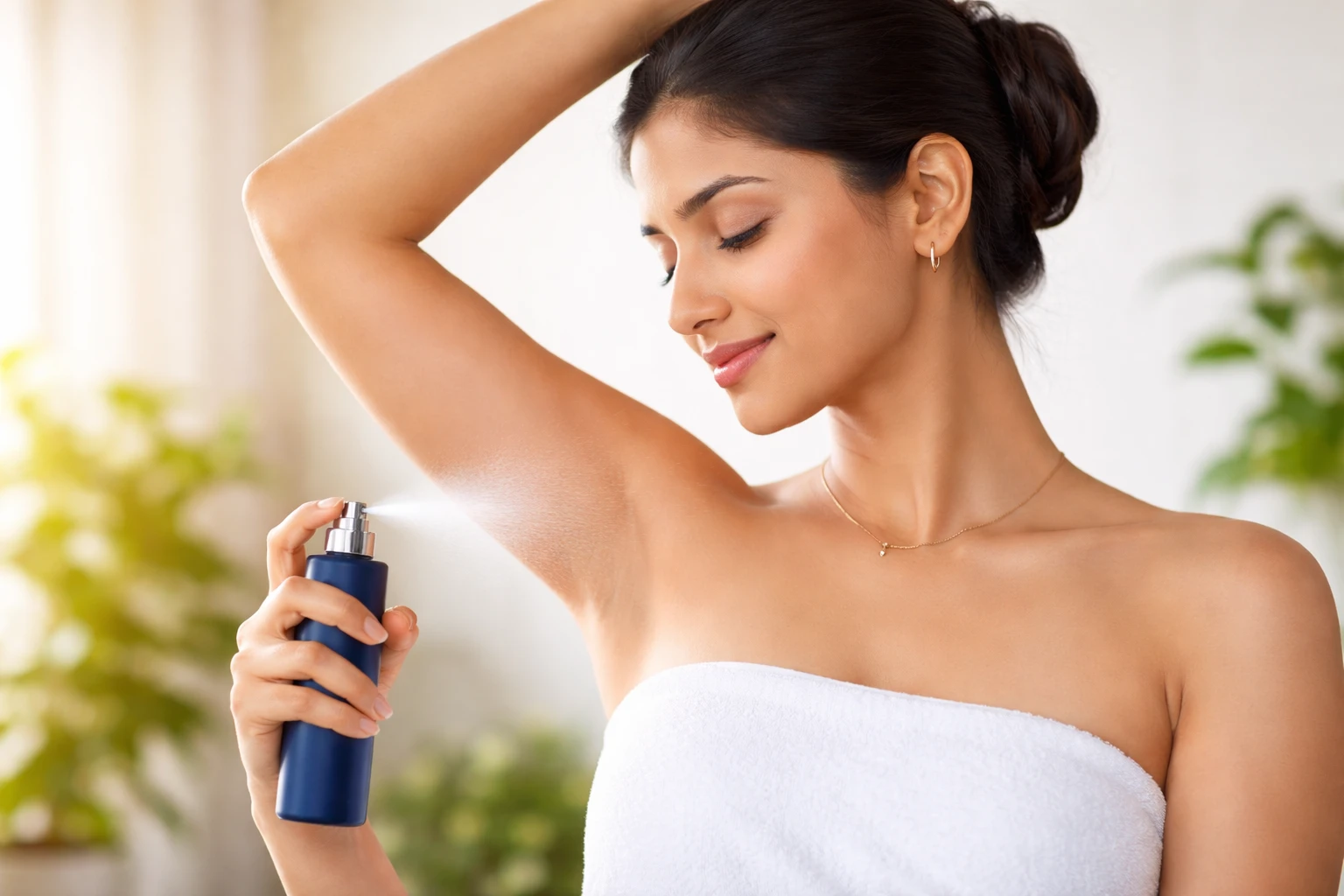
Dark underarms can feel stubborn, but they're totally treatable with the right approach. At Asaya, we break down the science behind underarm darkening and share realistic timelines for visible lightening. Learn what causes it, which actives work best, and how long you can expect results—backed by dermatology, not hype.
Featured how long to lighten underarms Collection
Dark underarms are one of those things that feels personal, but it's actually super common—especially for people with deeper skin tones. At Asaya, we get asked about underarm lightening all the time, and the answer isn't complicated once you understand what's actually happening under your skin. Let's talk about why it happens, what works, and the realistic timeline you're looking at.
Why Do Underarms Get Dark in the First Place?
Underarm darkening usually comes down to a few things working together. First, there's friction from deodorants, antiperspirants, and constant rubbing from your clothes. Second, many deodorants contain ingredients that can irritate the delicate skin there, triggering your skin to produce extra melanin as a defense response. Third, the underarm area naturally has thinner, more sensitive skin, so it shows pigmentation changes faster than other parts of your body. It's not about poor hygiene or anything you did wrong—it's just how your skin reacts to irritation and the products you're using.
The Timeline: When You'll Actually See Results
Here's the honest part: underarm skin lightens slower than, say, a dark spot on your cheek, because the area is constantly being irritated. Most people see visible lightening in 4 to 6 weeks with consistent use of the right ingredients. Some see results in 3 weeks, others take 8 to 10 weeks—it depends on how deep the pigmentation is and how sensitive your skin is. The key is consistency and switching to gentler deodorants while you're treating it. If you're still using irritating products while trying to lighten, you're working against yourself.
What Actually Works: The Actives That Make a Difference
Kojic acid and alpha arbutin are your best bets for underarm lightening. Kojic acid works by blocking melanin production at the source, while alpha arbutin gently fades existing pigment. Niacinamide also helps by calming irritation and strengthening your skin barrier, which is crucial in an area that's constantly being irritated. Apply a targeted serum or treatment to clean, dry underarms once or twice daily. Some people find that using a brightening treatment at night and a gentle, fragrance-free deodorant during the day works best. Avoid deodorants with alcohol or heavy fragrances while treating—they'll just keep irritating your skin.
Making It Stick: What Speeds Up Results
Beyond the actives, a few habits make a real difference. Stop using antiperspirants temporarily—they can trap sweat and bacteria, which irritates skin further. Switch to a clean deodorant (aluminum-free, fragrance-free) while you're treating. Exfoliate gently once or twice a week with a soft brush or a gentle chemical exfoliant to help the treatment penetrate better. Wear loose, breathable fabrics to minimize friction. And yes, sunscreen on your underarms if you're wearing sleeveless clothes—UV exposure can darken pigmentation further. These aren't fancy steps, just common sense that actually works.
Q: Will my underarms go completely white if I use lightening products?
A: No. The goal is to fade the dark spots and even out your tone, not to bleach your skin. You'll end up with underarms that match your natural skin tone again, not lighter than the rest of your body.
Q: Can I use the same pigmentation serum I use on my face on my underarms?
A: You can, but underarm skin is thinner and more sensitive, so start with a lower concentration or use it every other day first. If it irritates, dial it back. Some people prefer products specifically formulated for sensitive areas.
Q: What if I keep getting dark underarms even after treatment?
A: You're probably still using irritating deodorants. Switch to a clean, fragrance-free option permanently. Also check if you're shaving or waxing—that friction can restart the cycle. If you're doing everything right and still seeing darkening, it might be worth a quick chat with a dermatologist to rule out anything else.
Q: How do I know if it's actually working?
A: Take a photo in natural light before you start. Check it every 2 weeks. You might notice the dark spots look slightly softer before you see major fading—that's the treatment working. By week 4 to 6, the difference should be noticeable if you're being consistent.
Q: Do I need to use the treatment forever?
A: Once your underarms are even, you can switch to a maintenance routine—maybe using the treatment once or twice a week instead of daily. But if you go back to irritating deodorants, the darkening will come back. Think of it like maintaining any other result: consistency is key.
