


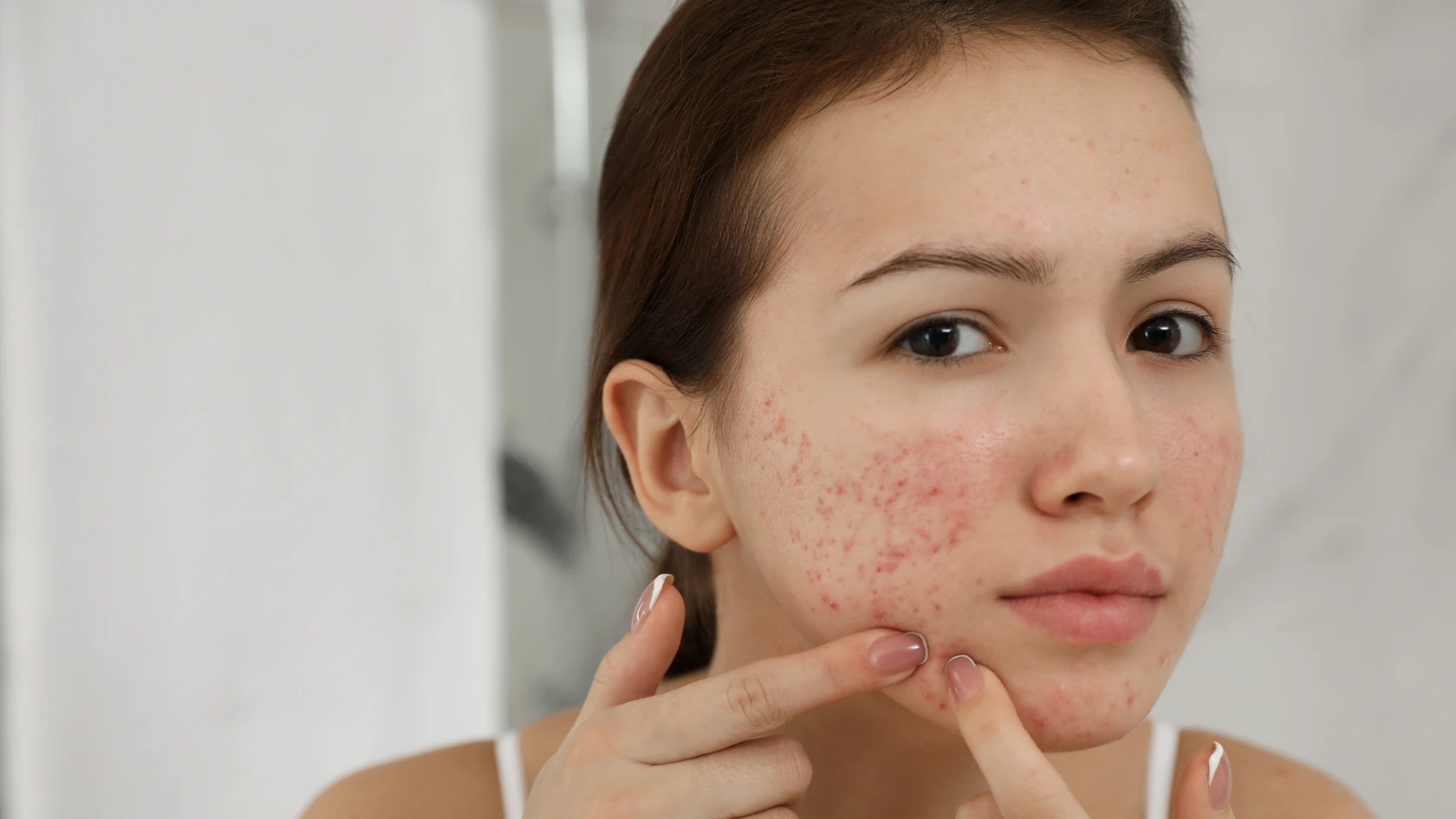
Fungal acne needs a different approach than regular breakouts. Asaya's fungal acne safe moisturizers are formulated without ingredients that feed yeast, helping you hydrate without triggering flare-ups. Lightweight, non-comedogenic, and dermatologist-backed for sensitive, acne-prone skin.
Featured fungal acne safe moisturizers Collection
Fungal acne is different from bacterial acne, and your moisturizer needs to be too. At Asaya, we've created fungal acne safe moisturizers that hydrate your skin without the ingredients that feed yeast growth. If you've been dealing with stubborn breakouts that don't respond to typical acne treatments, it might be fungal acne—and the right moisturizer is your first line of defense.
What Makes a Moisturizer Fungal Acne Safe?
Fungal acne thrives on certain oils and ingredients commonly found in regular moisturizers. Ingredients like coconut oil, dimethicone, and heavy silicones can feed the yeast and make breakouts worse. A fungal acne safe moisturizer avoids these triggers while still delivering hydration. Look for lightweight formulas with ingredients like ceramides, niacinamide, and glycerin that support your skin barrier without feeding the fungus. Asaya's fungal acne safe moisturizers are specifically formulated to keep your skin hydrated while keeping yeast in check.
Why Your Current Moisturizer Might Be Making It Worse
If you've noticed your breakouts getting worse after applying moisturizer, it's not in your head. Many mainstream moisturizers contain occlusive oils and emollients that create an environment where fungal acne thrives. Even products labeled as non-comedogenic can still feed fungal acne. That's why switching to a fungal acne safe formula is crucial. Asaya's options are tested to ensure they won't trigger flare-ups, giving you hydration without the guilt.
How Long Until You See Results?
Switching to a fungal acne safe moisturizer won't clear your skin overnight, but most people notice fewer new breakouts within 2-3 weeks of consistent use. You might see reduced inflammation and redness even sooner. The key is consistency—use it twice daily and pair it with other anti-fungal actives if needed. Results depend on how severe your fungal acne is, but removing the trigger (your old moisturizer) is the first step toward clearer skin.
Asaya's Approach to Fungal Acne Safe Hydration
We formulated our fungal acne safe moisturizers with Indian skin in mind, knowing that many of you have dealt with fungal acne that mainstream brands ignored or made worse. Our range avoids yeast-feeding ingredients while including actives like niacinamide and zinc that actually help calm inflammation. Every formula is dermatologist-tested and backed by real results from people like you.
Q: Can I use a fungal acne safe moisturizer if I'm not sure I have fungal acne?
A: Absolutely. Fungal acne safe moisturizers are gentle and effective for all acne-prone skin types. If your acne is bacterial, a fungal acne safe moisturizer won't hurt—it'll just hydrate without triggering breakouts. If it turns out you do have fungal acne, you're already using the right product.
Q: What ingredients should I avoid if I have fungal acne?
A: Avoid coconut oil, dimethicone, isopropyl myristate, cetyl alcohol, and heavy plant oils. Also skip products with high concentrations of glycerin or humectants without a good water-binding base, as they can feed yeast. Asaya's fungal acne safe moisturizers are formulated without these triggers.
Q: How often should I apply a fungal acne safe moisturizer?
A: Use it twice daily—morning and night—after cleansing and any treatment serums. Consistency is key. If your skin feels dry during the day, a second application is fine. Just make sure you're giving your skin enough hydration to support its barrier while fighting fungal acne.
Q: Can I layer other products with a fungal acne safe moisturizer?
A: Yes. Apply your moisturizer after serums and treatments, then seal with a lightweight sunscreen in the morning. At night, you can layer a fungal acne safe moisturizer under a treatment product if needed. Just avoid mixing in heavy oils or occlusive ingredients.
Q: How is Asaya's fungal acne safe moisturizer different from regular non-comedogenic moisturizers?
A: Non-comedogenic means it won't clog pores, but it might still contain ingredients that feed fungal acne. Our fungal acne safe moisturizers go further—they're formulated to actively avoid yeast-feeding ingredients while supporting skin health with niacinamide, ceramides, and zinc. It's the difference between not making it worse and actually helping it get better.
